
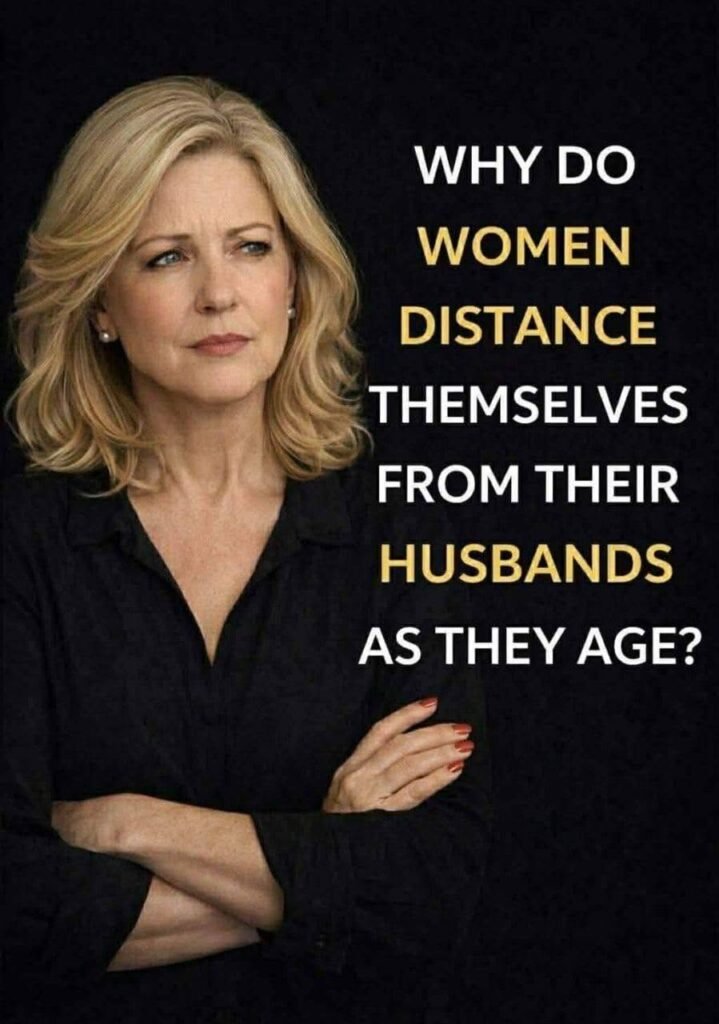
Marriage burnout is emotional fatigue that can affect even strong relationships. Learn its causes, warning signs, and practical steps to rebuild connection and improve communication.
Introduction
Marriage is often seen as a long-term partnership built on love, trust, and shared responsibility. However, even healthy relationships can go through periods of emotional exhaustion.
This experience is sometimes referred to as marriage burnout—a gradual sense of disconnection, stress, and emotional fatigue that builds over time.
Unlike sudden conflict or major relationship problems, burnout develops slowly and can go unnoticed until emotional distance becomes more visible.
Understanding its causes and early signs can help couples address it before it leads to long-term strain.
What Is Marriage Burnout?
Marriage burnout refers to a state of emotional exhaustion within a relationship. It does not necessarily mean that love is gone, but rather that emotional energy and connection have been depleted.
Common experiences may include:
- Feeling emotionally distant
- Reduced affection or intimacy
- Frequent irritability or frustration
- Difficulty communicating openly
- A sense of routine or emotional “numbness”
Common Causes of Marriage Burnout
1. Work Stress and Financial Pressure
External pressures such as demanding jobs, long working hours, and financial responsibilities can significantly affect emotional availability in a relationship.
Over time, couples may find that most conversations revolve around logistics rather than emotional connection.
2. Parenting Responsibilities
Raising children can be deeply fulfilling, but also physically and emotionally exhausting.
Sleep deprivation, constant responsibilities, and shifting priorities may leave little time for relationship nurturing, causing partners to feel more like co-managers than romantic partners.
3. Unrealistic Expectations
Media and social narratives often portray marriage as constantly exciting and effortless.
In reality, long-term relationships require ongoing effort, compromise, and adaptation. When expectations do not match real-life experiences, dissatisfaction may grow.
4. Emotional Disconnection Over Time
Emotional burnout can develop gradually through everyday habits such as:
- Limited quality time together
- Lack of appreciation or acknowledgment
- Avoiding meaningful conversations
- Focusing only on responsibilities
These patterns are often unintentional but can slowly reduce emotional closeness.
5. Lack of Personal Space
Healthy relationships require a balance between togetherness and individuality.
Without time for personal rest, hobbies, or self-care, emotional tension can build and contribute to feelings of burnout.
Signs of Marriage Burnout
Signs of Marriage Burnout
Some common signs include:
- Feeling emotionally detached
- Conversations feel draining rather than supportive
- Increased sensitivity or irritability
- Reduced physical affection
- Desire for solitude more frequently
Recognizing these patterns early can make it easier to address them constructively.
How to Address Marriage Burnout
1. Improve Communication
Open and calm communication is essential. Using non-blaming language can help:
- “I feel overwhelmed lately”
- “I miss our time together”
The goal is understanding, not conflict.
2. Rebuild Quality Time
Small consistent actions can make a difference:
- Spending time together without phones
- Taking short walks together
- Planning simple shared activities
- Scheduling regular time to reconnect
3. Rebalance Responsibilities
Unequal distribution of household or parenting tasks can create stress. Discussing and adjusting responsibilities may help reduce tension.
4. Manage External Stress Factors
Work pressure, financial concerns, and personal stress can heavily influence relationship health. Addressing these areas individually or together may improve emotional balance.
5. Seek Professional Support When Needed
Couples counseling or therapy can provide a structured environment to improve communication and rebuild emotional connection. It can be helpful not only in crisis situations but also as a preventive measure.
Is Marriage Burnout Permanent?
Marriage burnout is generally considered a reversible condition. It often reflects stress, fatigue, and disconnection rather than incompatibility.
With awareness, communication, and consistent effort, many couples are able to rebuild emotional closeness and strengthen their relationship over time.
Final Thoughts
Marriage naturally evolves over time. Emotional intensity may change, but long-term connection depends on understanding, communication, and mutual care.
If a relationship feels emotionally distant or heavy, it does not necessarily mean it is failing. It may simply need attention, rest, and reconnection.







