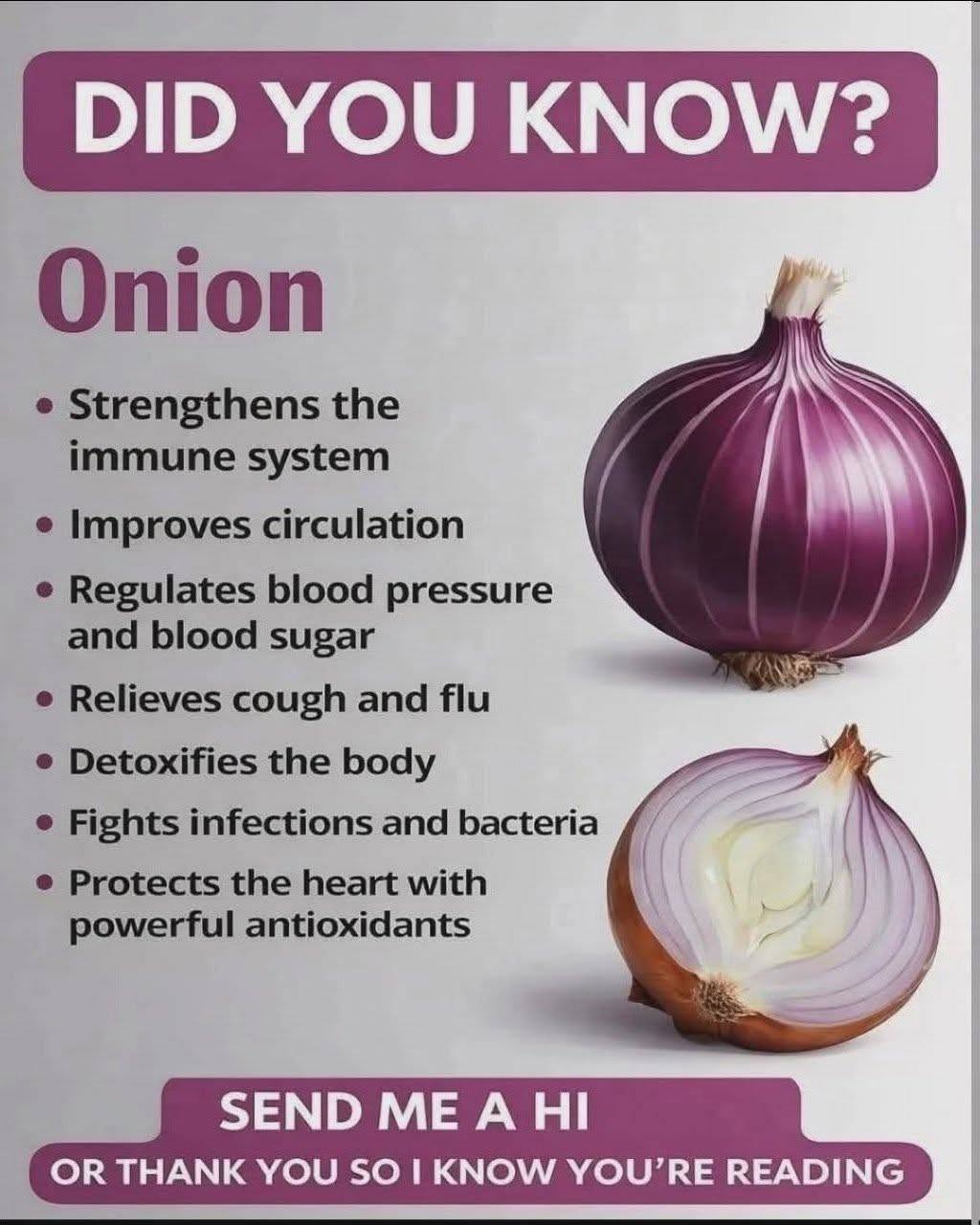
Onions are among the most widely used vegetables in kitchens around the world. They add flavor, aroma, and texture to countless dishes, but their value goes far beyond cooking. For generations, onions have also been appreciated in traditional wellness practices because they contain beneficial plant compounds, antioxidants, vitamins, and minerals.
Modern nutritional research has brought greater attention to the potential health benefits of onions, particularly their role in supporting heart health, maintaining a balanced diet, and protecting cells against oxidative stress.
Whether eaten raw, lightly cooked, or added to soups and salads, onions can be a nutritious addition to everyday meals. Here are seven potential health benefits worth knowing about.
1. Supporting a Healthy Immune System
Onions contain vitamin C and several antioxidant compounds that contribute to normal immune function. Vitamin C plays an important role in supporting the body’s natural defenses and protecting cells from oxidative damage.
They also contain phytochemicals, including quercetin, a naturally occurring flavonoid that has attracted scientific interest for its antioxidant and anti-inflammatory properties.
Including onions in a balanced diet can help increase the variety of protective plant compounds you consume. However, onions should not be considered a treatment or guaranteed protection against colds, flu, or other infections.
2. Supporting Healthy Blood Circulation
Good circulation is essential for delivering oxygen and nutrients throughout the body. Onions contain sulfur-containing compounds and flavonoids that researchers have investigated for their potential cardiovascular benefits.
Quercetin, in particular, has been studied for its possible effects on blood vessel function and inflammation.
Although these compounds may contribute to cardiovascular wellness as part of a healthy eating pattern, onions should not be considered natural blood thinners or substitutes for prescribed medication. Anyone taking medication to prevent blood clots should consult a healthcare professional before making changes to treatment.
3. Promoting Healthy Blood Pressure and Blood Sugar Levels
Maintaining healthy blood pressure and balanced blood sugar levels is important for long-term wellness.
Onions contain antioxidants and plant compounds that may influence certain metabolic and cardiovascular processes. Some research has explored their potential relationship with blood glucose regulation and blood vessel health.
They also provide fiber, which contributes to digestive health and can help support a balanced diet.
However, eating onions alone cannot control hypertension or diabetes. People managing these conditions should continue following their healthcare provider’s recommendations, including prescribed medication, regular monitoring, and appropriate dietary choices.
4. Providing Comfort During Coughs and Seasonal Illnesses
Onions have a long history of use in traditional home remedies for coughs, sore throats, and seasonal respiratory discomfort.
Some of their natural compounds demonstrate antimicrobial and anti-inflammatory activity in laboratory studies. This has contributed to their popularity in traditional preparations such as homemade onion syrup and warm onion-infused drinks.
However, laboratory findings do not establish that eating onions can treat respiratory infections or eliminate viruses.
A warm drink may provide temporary throat comfort, but persistent coughing, breathing difficulties, or worsening symptoms require appropriate medical attention.
5. Supporting the Body’s Natural Detoxification Processes
The body already has an efficient system for processing and eliminating waste products. The liver, kidneys, digestive system, and lungs all play important roles in maintaining this balance.
Onions contain sulfur-containing compounds and antioxidants that contribute to normal cellular processes. Their plant nutrients can be part of a dietary pattern that supports overall health.
It is important to distinguish nutritional benefits from exaggerated detox claims. There is no strong clinical evidence that onions specifically flush heavy metals from the body or remove toxins from the liver and kidneys.
Instead of relying on special detox drinks or restrictive cleansing routines, a varied diet, adequate hydration, and healthy daily habits provide more reliable support for normal body functions.
6. Adding Natural Antioxidant and Antimicrobial Compounds to Your Diet
One of the most interesting nutritional features of onions is their concentration of naturally occurring plant compounds.
These include quercetin, sulfur compounds, and other phytochemicals that have been studied for their antioxidant and antimicrobial properties.
Antioxidants help protect cells against oxidative stress, while certain onion extracts have demonstrated antibacterial activity in laboratory research.
These findings are promising from a nutritional research perspective, but they do not mean that raw onions can replace antibiotics or reliably prevent infections in the human body.
Adding onions to everyday meals is a simple way to increase your intake of diverse plant nutrients.
7. Supporting Heart Health Through Antioxidants
Heart health is another area where onions have attracted considerable scientific attention.
Quercetin is particularly interesting because of its potential relationship with inflammation, oxidative stress, and blood vessel function.
Onions also contain fiber and other beneficial plant compounds that can contribute to a heart-conscious eating pattern.
Some studies have explored whether regular onion consumption may influence cholesterol levels and other cardiovascular markers. However, the evidence is not sufficient to claim that onions independently prevent arterial plaque buildup or heart disease.
For better cardiovascular health, combine vegetables such as onions with fruits, whole grains, legumes, nuts, and other nutrient-rich foods.
Practical Ways to Include More Onions in Your Diet
One of the easiest ways to enjoy the nutritional benefits of onions is to incorporate them into meals you already prepare.
Here are several simple ideas:
- Raw onions: Add thinly sliced onions to salads, sandwiches, wraps, and homemade salsa.
- Cooked onions: Include them in vegetable soups, stews, stir-fries, and roasted dishes.
- Onion-infused drinks: Warm onion preparations are traditional home remedies, although their effectiveness against infections has not been established.
- Homemade sauces: Blend onions into tomato sauces, marinades, and healthy dressings.
- Roasted onions: Roast them with other vegetables for a naturally sweet and flavorful side dish.
Both raw and cooked onions can contribute valuable nutrients to your diet. Cooking changes some of their nutritional compounds, but it also makes onions easier to incorporate into a wide variety of meals.
Are There Any Side Effects of Eating Onions?
Although onions are nutritious, they may not suit everyone equally.
Some people experience bloating, gas, or abdominal discomfort after eating onions, particularly when consuming large amounts. This is partly because onions contain fructans, a type of fermentable carbohydrate that can trigger digestive symptoms in people sensitive to certain FODMAP foods.
People who experience acid reflux may also notice that onions worsen their symptoms.
If onions regularly cause discomfort, reducing portion sizes or choosing cooked onions may help. Anyone with persistent digestive symptoms should consider discussing them with a healthcare professional.
Conclusion: Why Onions Deserve a Place in a Healthy Diet
Onions may be an ordinary kitchen ingredient, but their nutritional value makes them worth including in a balanced diet. From antioxidant protection and potential cardiovascular benefits to supporting normal immune function, they provide several beneficial plant compounds.
Their versatility also makes healthy eating easier. Whether added raw to salads, slowly cooked into soups, or roasted alongside other vegetables, onions offer flavor and nutritional variety without requiring complicated preparation.
While they are not a miracle remedy or replacement for medical treatment, regularly enjoying onions as part of a varied diet can contribute to long-term wellness.
Sometimes, improving everyday nutrition starts with something as simple as adding more vegetables to your plate.