
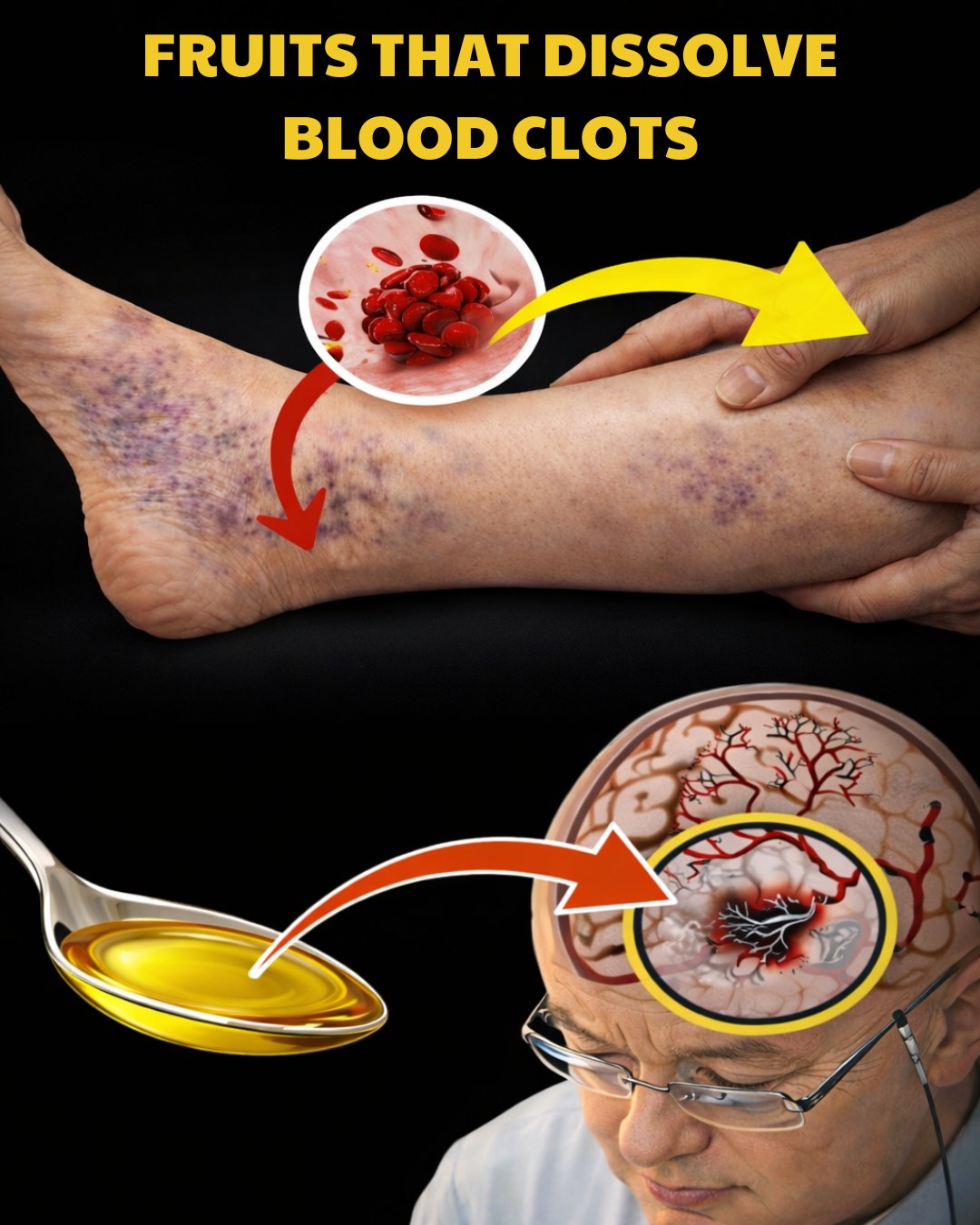
Blood clotting is one of the body’s most important protective systems. When you cut yourself, your blood needs to form a clot so you do not continue bleeding. The problem begins when a clot forms inside a blood vessel when it is not needed. Depending on where it develops, an abnormal clot can interfere with blood flow and become a serious medical problem.
That is why you may see claims online about certain foods or fruits that can “prevent blood clots.” The truth is more nuanced.
No fruit can dissolve a dangerous blood clot or replace medical treatment. However, regularly eating a variety of fruits can provide fiber, potassium, vitamin C and plant compounds that are part of a heart-healthy eating pattern. The American Heart Association’s 2026 dietary guidance continues to recommend plenty of fruits and vegetables as part of an overall cardiovascular-friendly diet.
Here are eight fruits worth including in a balanced diet, along with what they can realistically offer.


1. Berries
Blueberries, strawberries, raspberries and blackberries are some of the easiest fruits to add to your everyday meals.
Their deep colors come from plant compounds called anthocyanins, which belong to the flavonoid family. Berries also provide fiber and vitamin C, while blueberries contain vitamin K as well.
The important point is that berries aren’t a blood-thinning treatment. Instead, they can be part of a dietary pattern that supports cardiovascular health.
Try adding a handful of berries to:
- Plain yogurt
- Oatmeal
- A whole-grain breakfast
- A fresh fruit salad
- A smoothie without added sugar
Frozen berries can also be a convenient option when fresh ones aren’t available.
2. Oranges
Oranges are another simple choice, particularly because they provide vitamin C, potassium and citrus flavonoids.
Eating the whole orange is generally more useful than relying on juice because you get the fruit’s fiber as well. The American Heart Association recommends choosing whole fruits frequently and limiting fruit drinks that contain added sugar.
For someone trying to improve their overall diet, replacing a sugary snack with an orange is a small change that can add up over time.


3. Grapes
Grapes are another fruit often discussed when it comes to cardiovascular health.
They contain several plant compounds, including polyphenols. Grapes also provide potassium and small amounts of vitamin K. The NIH lists about 11 micrograms of vitamin K in half a cup of grapes.
Research has explored compounds in grapes and their potential effects on cardiovascular function, but that should not be interpreted as proof that eating grapes prevents dangerous blood clots.
Fresh grapes make a convenient snack because they require almost no preparation.
You can also freeze them for a refreshing treat on a hot day.
One important warning applies to people taking certain medications: dietary changes can matter when you take warfarin. People using warfarin are generally advised to keep their vitamin K intake consistent rather than suddenly making major changes.
4. Pomegranate
Pomegranate contains polyphenols and other plant compounds that have attracted attention in cardiovascular research.
The edible seeds can be added to oatmeal, yogurt, salads or eaten on their own. Choosing the whole fruit also gives you fiber that you would not get from simply drinking a sweetened juice.
But this is another case where “healthy fruit” should not be confused with “natural blood thinner.”
Pomegranate has also been investigated for possible medication interactions, so people taking prescription medicines—particularly medications affecting blood clotting—should discuss regular or large amounts of pomegranate juice with their healthcare professional.
The safest approach is to think of pomegranate as one nutritious fruit among many, rather than as a treatment for clotting problems.


5. Kiwi
Kiwi is especially useful if you want a fruit that provides plenty of vitamin C along with fiber.
Its bright green flesh and tiny black seeds make it an easy addition to breakfast or a snack. You can eat it with a spoon after cutting it in half, or peel and slice it into yogurt or oatmeal.
Some research has investigated kiwi and platelet activity, but this does not mean kiwi should be used as an anticoagulant.
If you take aspirin, warfarin, clopidogrel or another medication that affects clotting, don’t deliberately eat unusually large amounts of kiwi because you have read that it may “thin the blood.” Food and medication interactions can be complicated.
For most people, the better strategy is simply to enjoy kiwi as part of a varied diet.
6. Apples
Apples may not have the dramatic reputation of berries or pomegranate, but they are an excellent everyday fruit.
They provide fiber, including soluble fiber, along with various plant compounds. Eating an apple instead of a highly processed snack can help improve the overall quality of your diet.
And that bigger picture matters.
The American Heart Association emphasizes a dietary pattern that includes plenty of fruits and vegetables, whole grains, healthy sources of protein and minimally processed foods.
So rather than searching for one “magic” food, it makes more sense to build meals around several nutritious foods.
An apple with a small amount of unsweetened nut butter can make a satisfying afternoon snack.


7. Cherries
Cherries provide vitamin C, potassium, fiber and a variety of plant compounds.
Their red color comes partly from anthocyanins, the same broad family of pigments found in many berries.
Fresh cherries can be eaten by themselves, mixed into plain yogurt or added to oatmeal. Unsweetened frozen cherries are another convenient option.
When choosing canned or packaged fruit, check the label. Fruit packed in heavy syrup can contain considerably more added sugar than fruit packed in water or its own juice.
The goal isn’t to find a fruit that directly “breaks up” clots. It is to make healthier choices consistently.


8. Figs
Figs are another fruit that can contribute to a varied diet.
They contain fiber and several minerals, and dried figs provide vitamin K in addition to other nutrients. The NIH lists about 6 micrograms of vitamin K in a quarter cup of dried figs.
Because dried fruit is concentrated, however, it is easy to eat more than you realize. A small portion can be enough.
Fresh figs are wonderful when available, while dried figs can be chopped into oatmeal or paired with plain yogurt.
As with other vitamin-K-containing foods, anyone taking warfarin should focus on consistency rather than suddenly adding large quantities to their diet.
What about vitamin K and blood clotting?
This is where the subject can become confusing.
Vitamin K is actually required by the body to produce certain proteins involved in normal blood clotting. It is not something that should simply be avoided because you’re concerned about blood clots.
Most vitamin K in the American diet comes from green leafy vegetables, rather than fruit. However, some fruits—including blueberries, grapes and figs—contain vitamin K.
If you’re taking warfarin, sudden changes in how much vitamin K you consume can affect how the medication works. MedlinePlus recommends keeping your intake consistent and talking with your doctor before making major dietary changes.
So you don’t necessarily need to eliminate vitamin-K-containing foods. Consistency is often the more important issue.


The bigger picture matters more than one fruit
It’s tempting to look for one food that can dramatically change your circulation.
Unfortunately, nutrition doesn’t work that way.
A heart-healthy eating pattern is built from many small choices. The American Heart Association’s updated 2026 guidance emphasizes eating a wide variety of fruits and vegetables, choosing mostly minimally processed foods, getting enough fiber and limiting added sugars and excess sodium.
That could mean having berries with breakfast, an apple as a snack, vegetables with lunch and an orange after dinner.
Over time, those choices are much more meaningful than trying to find a single “blood-thinning” fruit.
What fruits should you choose most often?
You don’t have to eat all eight every week.
A simple approach is to rotate different colors:
Red: cherries, strawberries, raspberries
Blue/purple: blueberries, blackberries, grapes
Orange/yellow: oranges and other citrus fruits
Green: kiwi
Other: apples, figs and pomegranate
Eating a variety gives you different vitamins, minerals, fiber and plant compounds. The American Heart Association specifically recommends eating fruits and vegetables from different color groups to obtain a broader range of nutrients.
One important warning about blood clots
If you think you may actually have a blood clot, do not try to treat it with fruit.
A clot can require medical evaluation and, depending on its location and cause, prescription treatment. Anticoagulant medicines work by reducing the blood’s ability to form clots and are used to prevent existing clots from getting larger or new clots from developing.
Seek urgent medical attention for symptoms such as sudden chest pain, trouble breathing, coughing up blood, or sudden swelling and pain in one leg.
Food can support overall health, but it cannot replace appropriate medical care.
The simple takeaway
Berries, oranges, grapes, pomegranate, kiwi, apples, cherries and figs can all have a place in a healthy diet.
Their value comes from the overall nutrients and plant compounds they provide, not from the idea that they can dissolve a clot or act like prescription blood thinners.
For most people, the best strategy is surprisingly simple: eat a variety of whole fruits, choose them instead of highly processed snacks when possible, and build the rest of your meals around a balanced, heart-healthy diet.
And if you’re taking warfarin or another medication that affects clotting, talk with your doctor or pharmacist before making major changes to your diet. Consistency can be especially important with vitamin-K-containing foods.







