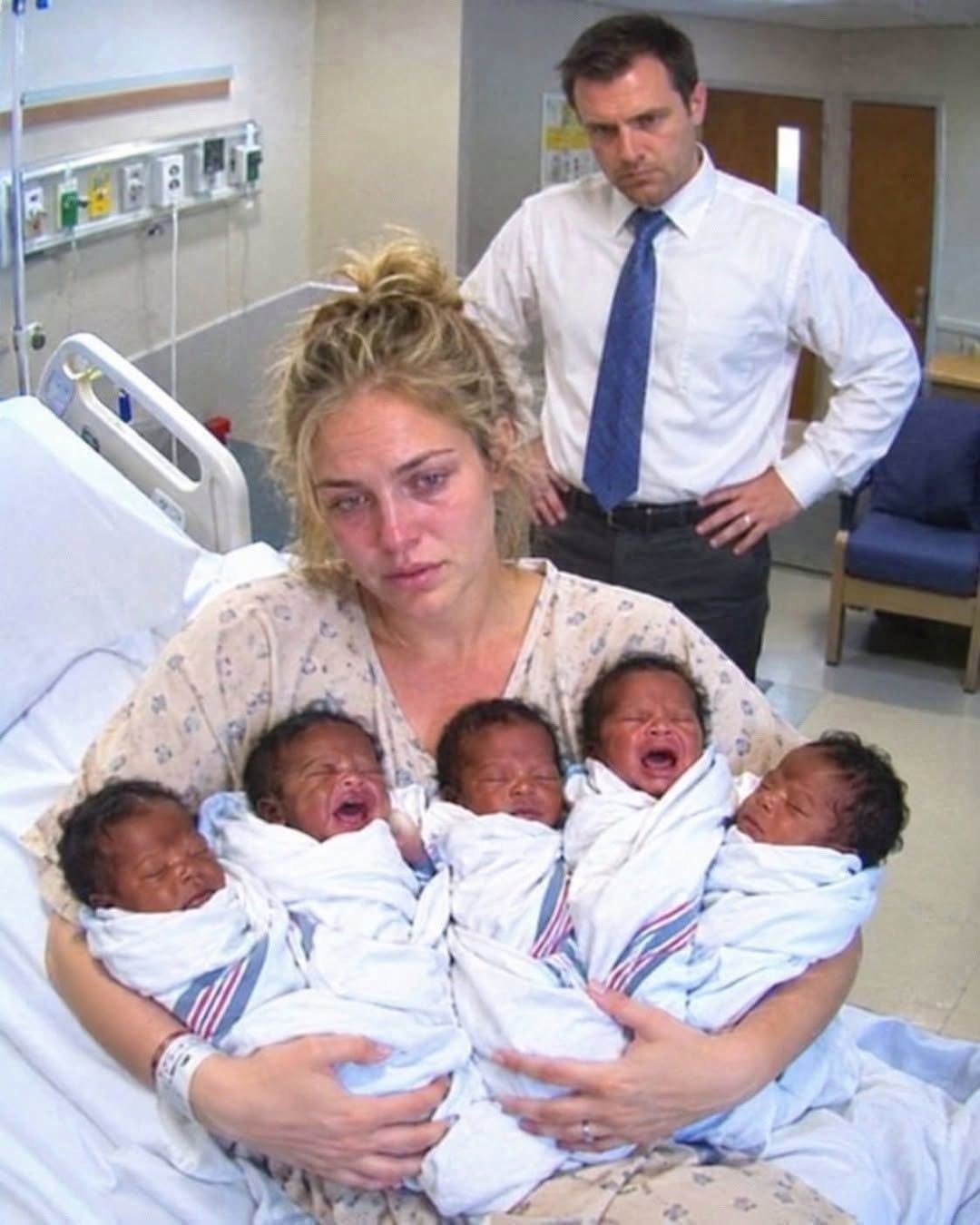
A reported birth involving ten babies has attracted widespread attention, raising questions about high-risk pregnancies, the challenges of multiple births, and the specialized medical care required to protect both mothers and newborns.
Multiple births are already uncommon, and pregnancies involving an unusually high number of babies present significant medical challenges. From regular prenatal examinations to the coordination required during delivery, these situations demand careful planning, specialized equipment, and an experienced healthcare team.
However, while the story described in the original account is extraordinary, its specific details have not been independently verified. The reported number of babies, their health conditions, and the explanation for the unexpected tenth birth would require confirmation from reliable medical sources.
A Pregnancy That Required Specialized Medical Attention
A pregnancy involving multiple fetuses can place considerable demands on a mother’s body. As the number of developing babies increases, healthcare professionals must pay close attention to maternal health and the development of each fetus.
Regular prenatal appointments allow doctors to monitor fetal growth, check the mother’s blood pressure, evaluate placental function, and identify potential complications. Depending on the circumstances, additional examinations and consultations with specialists may also be necessary.
For families expecting several children at once, the experience can bring a mixture of excitement, anticipation, and concern. Each medical appointment provides an opportunity to assess the progress of the pregnancy and prepare for the next stage.
High-order multiple pregnancies generally require more intensive monitoring than pregnancies involving a single baby. Medical professionals must consider the mother’s well-being while also addressing the individual needs of every developing child.
Why Multiple Pregnancies Can Be Complicated
The number of fetuses involved can influence the risks associated with pregnancy and delivery. Multiple pregnancies have a higher likelihood of premature birth, low birth weight, and other complications that may require specialized medical attention.
Doctors may monitor for conditions such as high blood pressure, gestational diabetes, differences in fetal growth, and complications involving the placenta.
Premature babies can face additional challenges because their organs may not yet be fully developed. Some newborns may need assistance with breathing, maintaining body temperature, or feeding.
These possibilities explain why healthcare professionals often recommend close supervision throughout a high-risk pregnancy. The goal is to identify potential problems early and prepare appropriate care for both the mother and the babies.
Preparing for an Unusually Complex Delivery
When a pregnancy involves several babies, preparing for delivery requires careful coordination among multiple medical specialists.
Obstetricians, anesthesiologists, neonatologists, nurses, and other healthcare professionals may all play important roles. The team must be prepared to respond to the mother’s needs while providing immediate assessments and care for every newborn.
A delivery involving ten infants, if confirmed, would present extraordinary logistical demands.
Medical staff would need sufficient equipment, adequate space, and enough trained personnel to assess multiple newborns in rapid succession. Depending on each infant’s condition, some babies might require immediate respiratory support or admission to a neonatal intensive care unit.
Communication would be especially important. Every newborn would need to be identified, assessed, and monitored individually, with medical care adapted to their specific needs.
The mother’s condition would also remain a priority throughout delivery and recovery.
What Happens When Multiple Babies Are Born?
The first moments after birth are important for every newborn. Healthcare professionals assess breathing, heart rate, muscle tone, responsiveness, and other indicators of a baby’s condition.
When several babies are delivered during the same procedure, these assessments must be carefully coordinated to ensure that every infant receives appropriate attention.
Some newborns may be stable enough to remain with their mother when circumstances permit. Others may require additional monitoring or specialized treatment.
Premature or low-birth-weight infants can have difficulty maintaining their body temperature. They may also experience feeding difficulties or unstable blood sugar levels. In such cases, medical teams determine whether additional support is necessary.
The care required depends on several factors, including gestational age, birth weight, and the individual condition of each child.
The Reported Surprise of a Tenth Baby
According to the account provided, nine babies were reportedly delivered before a tenth newborn arrived unexpectedly. The story describes the final arrival as a surprise for those present.
Such a claim naturally raises questions about how the number of babies was established during prenatal examinations and what circumstances could explain the reported discovery.
Ultrasound examinations are widely used to assess pregnancies, including the number of fetuses, their development, and certain potential complications. However, image quality and the information available can vary depending on individual circumstances.
Without reliable medical evidence, it would be inappropriate to assume that an additional fetus went undetected because of a particular medical anomaly.
The supplied account does not include independent medical documentation or a confirmed statement from the hospital or treating physicians explaining the reported event.
For that reason, the circumstances surrounding the tenth baby should be treated as unconfirmed rather than presented as an established medical fact.
Why Verification Matters in Extraordinary Medical Stories
Unusual birth stories often attract considerable interest online. Their dramatic nature can encourage people to share headlines before the underlying details have been properly confirmed.
However, a widely shared story is not necessarily a verified one.
The reported number of babies, the circumstances of the delivery, and claims about their health should be supported by reliable documentation or statements from credible medical sources.
Photographs and social media posts may provide additional context, but they do not necessarily establish every detail of a medical event.
Careful reporting is particularly important when a story includes an unusual medical explanation. Presenting an unconfirmed explanation as fact can create confusion about pregnancy, prenatal imaging, and modern medical care.
Distinguishing between a reported event and a medically confirmed case helps readers understand what is known and what remains uncertain.
The Importance of Prenatal Care
Regardless of the accuracy of this particular account, the story highlights the importance of appropriate prenatal care.
Regular examinations allow healthcare professionals to monitor the mother’s health and follow the development of the baby or babies. These appointments can also help identify potential complications that may require additional testing, treatment, or specialist attention.
For high-risk pregnancies, doctors may recommend more frequent appointments and additional monitoring.
Prenatal care also gives expectant parents an opportunity to discuss delivery planning, possible complications, and the type of medical support that may be needed after birth.
Although medical examinations cannot guarantee that every complication will be identified in advance, consistent supervision can help healthcare teams make informed decisions and prepare for changing circumstances.
Anyone with concerns about a pregnancy should discuss them with a qualified healthcare professional who can provide guidance based on their individual medical history and examination results.
Caring for Multiple Newborns After Delivery
The challenges of a multiple pregnancy do not necessarily end when the babies are delivered.
Families welcoming several newborns may need to organize feeding schedules, sleeping arrangements, medical appointments, and daily care for each child.
If some babies require specialized treatment, the family may also face longer hospital stays and additional follow-up appointments.
Feeding can become particularly demanding when several infants need attention at the same time. Some babies may feed directly or from a bottle, while others may require a feeding plan recommended by their healthcare team.
Sleep and temperature safety are also important considerations. Parents need clear guidance on safe sleeping arrangements, appropriate clothing, feeding, and recognizing possible signs of illness.
The practical demands can be considerable, making assistance from relatives, friends, community organizations, and healthcare professionals especially valuable.
The Role of Family and Community Support
Caring for one newborn can be exhausting, particularly during the first weeks after delivery. Caring for several newborns simultaneously can require an even greater level of organization and support.
Depending on a family’s circumstances, practical assistance may include help with meals, transportation, household responsibilities, childcare, and access to essential infant supplies.
Healthcare professionals can also provide guidance on feeding, sleep routines, postpartum recovery, and the developmental needs of newborns.
For parents facing an unusually demanding situation, emotional support is equally important. Adjusting to a major change in family life can bring happiness and gratitude alongside fatigue, uncertainty, and stress.
Having a reliable support network can help parents manage daily responsibilities while ensuring that their own well-being is not overlooked.
How Medical Teams Coordinate Care for Multiple Babies
The delivery of several newborns requires careful coordination because each infant is an individual patient with specific medical needs.
Before a high-risk delivery, medical teams may review potential complications, assign responsibilities, prepare neonatal equipment, and plan for different possible outcomes.
After birth, each baby is assessed separately. Healthcare professionals determine whether routine observation is sufficient or whether additional intervention is required.
If an infant needs specialized care, the medical team develops an appropriate plan based on that child’s condition. Some newborns may require respiratory assistance, temperature support, or help with feeding.
At the same time, doctors continue monitoring the mother’s recovery, including bleeding, blood pressure, pain, and any complications associated with delivery.
This coordinated approach is essential in complicated pregnancies, where the needs of the mother and every newborn must be addressed carefully.
What Research Can Teach Us About High-Order Multiple Births
Documented cases involving unusually large numbers of newborns can contribute to medical understanding of pregnancy, delivery, and neonatal care.
Researchers may examine factors such as gestational age, birth weight, maternal complications, premature delivery, and the short- and long-term development of the children.
Such information can help medical professionals evaluate existing approaches to high-risk pregnancy management and improve preparation for future cases.
However, individual stories must be distinguished from documented medical evidence. A dramatic account may generate public interest, but meaningful medical conclusions depend on reliable records and careful evaluation.
This distinction is particularly important when discussing rare pregnancies, where limited evidence may make it difficult to draw broad conclusions from a single case.
Life After an Extraordinary Birth
For a family welcoming multiple children, delivery marks the beginning of a long period of adjustment.
The early months may involve frequent feeding, medical follow-ups, interrupted sleep, and the challenge of understanding each baby’s individual needs.
As the children grow, their personalities, interests, and developmental milestones begin to emerge. Parents must balance the needs of the family as a whole with the importance of recognizing every child as an individual.
For families with several newborns, establishing practical routines can help make daily responsibilities more manageable. Support from healthcare providers and trusted family members may also play an important role.
Although the circumstances of an unusually large multiple birth can attract public attention, the family’s everyday experience extends far beyond the headlines.
Ultimately, every newborn deserves individual attention, appropriate medical care, and a supportive environment in which to grow.