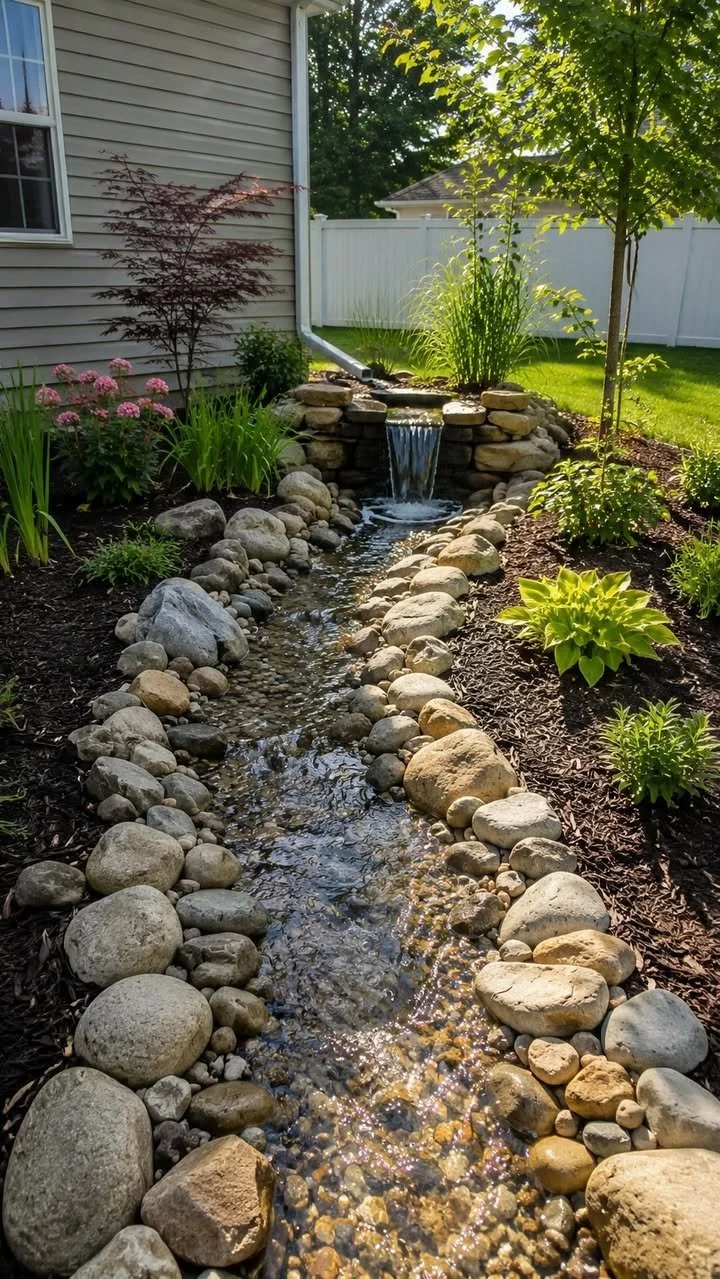
Transform Your Downspout into a Beautiful, Functional Backyard Rain Garden
Are you tired of water pooling around your home after heavy rains? Do you dread the overwhelming sight of muddy, washed-out soil in your yard? If you’ve longed for a green oasis that not only beautifies your outdoor space but also effectively manages stormwater, a backyard rain garden could be your ultimate solution. In this article, we’ll explore how to convert your downspout into a stunning rain garden, marrying functionality with aesthetic appeal.
Why This Works
Rain gardens serve a dual purpose: they not only look fantastic but also help to mitigate water runoff and improve water quality by filtering impurities. Utilizing a rain garden as a drainage feature minimizes erosion and allows rainwater to seep into the ground, replenishing local aquifers. Implementing a rain garden is a sustainable choice that enhances the ecological health of your property. Not to mention, they attract pollinators and beneficial wildlife, making your yard a vibrant habitat.
Main Content
Creating your own backyard rain garden involves several steps. Here’s a breakdown of the process:
1. Assess Your Yard
Begin by evaluating your landscape. Identify where water tends to pool after rain. Ideally, select an area that receives runoff from your downspout, and observe the sun exposure throughout the day. Most rain gardens thrive in areas with at least 6 hours of sunlight.
2. Choose the Right Location
Position your rain garden at least 10 feet away from your home to avoid water seeping into your foundation. Also, consider the slope of your yard; a gentle slope can help direct water into the garden.
3. Measure and Dig
Decide on the size and shape of your rain garden. A depth of about 6 to 12 inches is effective for holding and filtering water. Mark your outline, then dig out the area, ensuring it is wide enough to accommodate the desired plants.
4. Enhance the Soil
Improving soil drainage is key to a successful rain garden. Mix in compost with the existing soil to create a nutrient-rich, well-draining base. Aim for a balance between sandy and clay soils for optimal drainage.
5. Select Native Plants
Choose a variety of native plants that thrive in wet and dry conditions. Native options like coneflowers, black-eyed Susans, and swamp milkweed attract pollinators while also tolerating periods of heavy rainfall. Aim for a mix of heights and colors to create visual interest.
6. Install a Downspout Extension
Redirect the water from your downspout into your rain garden by installing a downspout extension or splash block. This will guide rainwater directly to your garden, ensuring it benefits from the runoff.
7. Add Decorative Elements
To enhance the garden’s beauty, consider adding decorative stones or pebbles around the edges. Incorporating a few ornamental features like birdbaths or seating areas can also create a tranquil escape.
8. Mulch and Maintain
Apply a layer of mulch to help retain moisture and suppress weeds. Regular maintenance involves checking for erosion or plant health, and occasionally replenishing mulch as needed.
Expected Results
Once your rain garden is established, you can expect to see reduced water pooling and improved drainage around your property. Enjoy the vibrant blooms and bustling wildlife, knowing you’ve created a sustainable oasis while contributing positively to your local ecology.
Extra Tips
- Seasonal Planting: Consider planting based on seasonality for continuous blooms. Autumn should feature ornamental grasses while summer should have vibrant flowers.
- Watering Practices: Initially, your rain garden may need a bit of extra watering until the plants establish deep roots.
- Educational Resources: Check with local landscaping organizations or master gardener programs for workshops on rain garden installation.
Conclusion
Transforming your downspout into a rain garden is a rewarding project that not only beautifies your home but also promotes responsible water management. With a blend of planning, creativity, and native plants, you can create a lush landscape that captures rainwater efficiently. Embrace the opportunity to enhance your yard’s aesthetics while contributing to a healthier environment. Start your journey towards a stunning and functional rain garden today!