
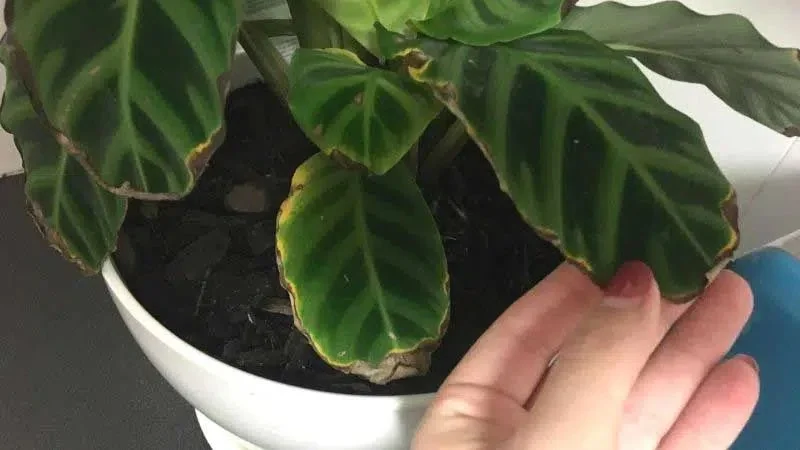
Brown Edges on Leaves: Common Plant Problems Explained
If you’ve noticed brown edges creeping onto your houseplant leaves, you’re not alone. Many homeowners, even those with a bit of gardening experience, end up scratching their heads over this common issue. Browning leaves can be quite alarming, as they signal that something’s not quite right with your beloved plants. Understanding why this happens and how to correct it can save you from potential plant heartbreak, ensuring your greenery thrives for years to come. In this article, we’ll delve into the leading causes of browning leaves and provide practical tips to help you keep your houseplants healthy and happy.
Overwatering and Underwatering: Finding the Balance
One of the most common culprits behind brown leaf edges is improper watering. Too much or too little water can both lead to stressed plants, which in turn will show up in their leaves. When you overwater, roots can drown, leading to root rot and poor nutrient absorption, manifesting as browning. Conversely, if underwatered, the plant will struggle to retain moisture, causing those crispy edges.
What to Do:
- Check the Soil: Stick your finger about an inch into the soil. If it feels dry, it’s time to water. If it’s soggy, hold off for a bit.
- Ensure Drainage: Make sure your pots have drainage holes. This allows excess water to escape, preventing root rot.
- Water Thoroughly: When you do water, do so until it runs out of the drainage holes. This encourages roots to grow deeper into the soil.
Common Mistakes:
- Watering on a strict schedule without checking the soil moisture first.
- Assuming that smaller pots need less water.
Humidity Levels: A Jungle in Your Living Room
Another factor often overlooked is humidity. Many houseplants, especially tropical varieties, thrive in humid environments. Our homes, however, can be quite dry, particularly in winter. This lack of moisture can cause the leaf tips and edges to brown, making it crucial to create a more suitable atmosphere.
What to Do: