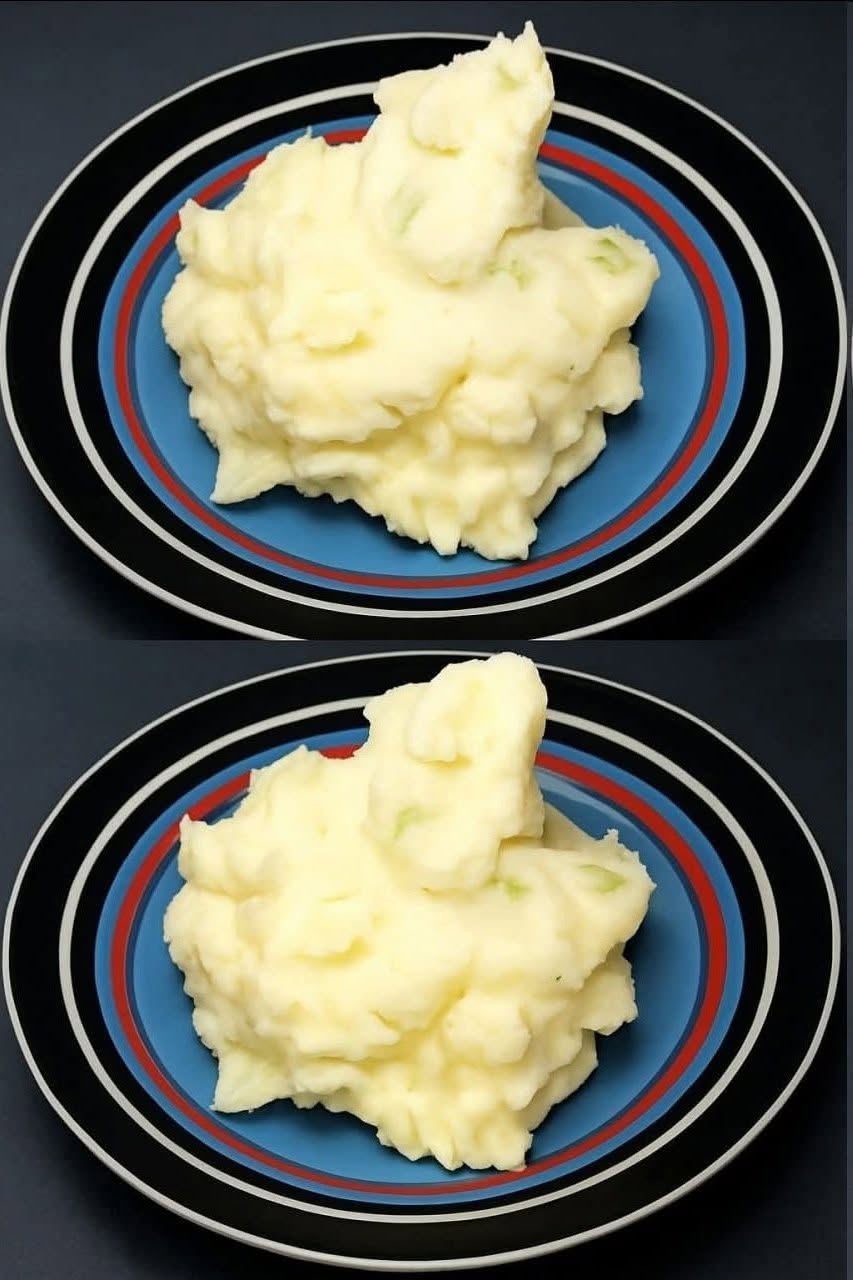
Few side dishes are as comforting and timeless as a bowl of homemade mashed potatoes. With their smooth texture, rich buttery flavor, and creamy finish, classic mashed potatoes are a favorite at family dinners, holiday celebrations, and Sunday meals. Made with simple ingredients and a few essential techniques, this traditional recipe delivers delicious results without the need for garlic, cheese, or complicated additions.
Whether you’re preparing a holiday feast or an easy weeknight dinner, these creamy mashed potatoes are a reliable crowd-pleaser that pairs beautifully with roasted chicken, steak, pork chops, meatloaf, and gravy.
Why This Classic Mashed Potato Recipe Is a Timeless Favorite
The Ultimate Comfort Food
Warm, buttery mashed potatoes bring a familiar sense of comfort to the table. Their creamy consistency and mild flavor make them an ideal side dish for everything from everyday dinners to special occasions.
Simple Ingredients, Delicious Results
You don’t need an elaborate ingredient list to make excellent mashed potatoes. Potatoes, butter, warm cream or milk, salt, and pepper create a classic flavor that lets each ingredient shine.
Easy Techniques for Consistently Good Results
The secret to perfect mashed potatoes isn’t complicated. Choosing the right potatoes, cooking them until tender, draining them thoroughly, and adding warmed dairy products can make a noticeable difference in the final texture.
A Side Dish Everyone Can Enjoy
Classic mashed potatoes complement a wide variety of main courses and can easily be adjusted to suit different preferences. They’re an excellent choice for family gatherings, holiday meals, and potluck dinners.
Ingredients for Classic Creamy Mashed Potatoes
This recipe makes approximately 6 servings.
- 3 pounds Russet or Yukon Gold potatoes: Russets create a light, fluffy texture, while Yukon Gold potatoes produce naturally creamy mashed potatoes with a buttery flavor.
- 1 cup heavy cream or whole milk, warmed: Heavy cream creates a richer result, while whole milk makes the potatoes creamy without being quite as rich.
- ½ cup (1 stick) unsalted butter, softened: Adds classic buttery flavor and a smooth consistency.
- 1½ teaspoons fine sea salt: Adjust to taste, plus additional salt for the cooking water.
- ½ teaspoon white pepper or black pepper: White pepper offers a traditional appearance without visible dark specks.
For serving, you can add an extra pat of butter on top.
Step-by-Step Instructions for Perfect Mashed Potatoes
Step 1: Prepare the Potatoes
Peel the potatoes and cut them into evenly sized chunks, approximately 1½ to 2 inches wide. Keeping the pieces similar in size helps them cook evenly, preventing some pieces from becoming mushy while others remain firm.
Step 2: Start in Cold, Salted Water
Place the potato chunks in a large pot and cover them with cold water. Add a generous pinch of salt.
Starting with cold water allows the potatoes to heat gradually, helping the outside and inside cook more evenly. Bring the water to a boil, then reduce the heat to maintain a gentle simmer.
Step 3: Cook Until Fork-Tender
Simmer the potatoes for approximately 15–20 minutes, depending on their size. They are ready when a fork slides easily into the center without resistance.
Avoid undercooking the potatoes, as firm pieces can leave lumps in the finished dish.
Step 4: Drain Thoroughly
Carefully drain the potatoes in a colander. Return them to the warm pot and let them sit over low heat for about 1–2 minutes, gently shaking the pot occasionally.
This brief step helps excess moisture evaporate. Removing extra water is one of the easiest ways to prevent watery mashed potatoes.
Step 5: Warm the Cream or Milk
While the potatoes are cooking, gently warm the cream or milk in a small saucepan or microwave-safe container. It should be warm but not boiling.
Adding warm dairy products helps the potatoes absorb the liquid more evenly and keeps the mixture hot while you mash.
Step 6: Mash the Potatoes
Use a potato masher or potato ricer to mash the drained potatoes until they reach your preferred consistency.
For especially smooth mashed potatoes, a potato ricer is an excellent option. For a more rustic texture, a traditional hand masher works beautifully.
Avoid using a blender or food processor. Excessive processing can release too much starch and turn the potatoes sticky or gluey.
Step 7: Add the Butter
Add the softened butter to the hot potatoes and gently mix until it melts and is incorporated.
Butter contributes richness and flavor, helping create the familiar taste of traditional homemade mashed potatoes.
Step 8: Gradually Add the Warm Cream
Pour in the warmed cream or milk a little at a time, stirring gently after each addition. You may not need the entire amount, depending on the type of potatoes and your preferred consistency.
Continue until the potatoes are creamy, fluffy, and easy to spoon onto a plate.
Step 9: Season and Serve
Add the salt and white or black pepper. Taste and adjust the seasoning as needed.
Transfer the mashed potatoes to a serving bowl, make a small well in the center, and add a little extra butter if desired. Serve immediately while warm.
Expert Tips for Fluffy, Creamy Mashed Potatoes
- Choose the right potatoes: Russets are ideal for fluffy mashed potatoes, while Yukon Golds provide a naturally creamy texture. You can also combine the two varieties.
- Never skip the draining step: Excess moisture can dilute the flavor and make the potatoes watery.
- Use warm dairy products: Cold milk or cream can cool the potatoes and make it harder to achieve a smooth consistency.
- Mash gently: Overworking potatoes releases excess starch, which can create an unpleasant gummy texture.
- Season gradually: Salt the cooking water and adjust the seasoning again after adding the butter and cream.
- Serve promptly: Mashed potatoes are at their best when freshly prepared. If needed, keep them covered in a warm serving dish for a short period, stirring gently before serving.
What to Serve with Mashed Potatoes
These classic mashed potatoes pair wonderfully with many main dishes, including:
- Roasted chicken or turkey
- Grilled or pan-seared steak
- Homemade meatloaf
- Slow-cooked beef and rich gravy
- Roasted pork chops
- Salisbury steak
- Roasted vegetables and mushroom gravy
For holiday dinners, serve them alongside roasted turkey, stuffing, vegetables, and your favorite homemade gravy.
How to Store and Reheat Leftovers
Allow leftover mashed potatoes to cool, then refrigerate them in a covered, airtight container within two hours of cooking. They can generally be stored in the refrigerator for 3–4 days.
To reheat, place the potatoes in a saucepan over low heat or use a microwave-safe dish. Stir occasionally and add a small splash of milk or cream if they seem too thick. Heat until steaming hot throughout.
For food safety, avoid leaving cooked potatoes at room temperature for extended periods, and refrigerate leftovers promptly.
Frequently Asked Questions
Which potatoes are best for mashed potatoes?
Russet potatoes are best for a fluffy texture, while Yukon Gold potatoes produce a richer, creamier result. Both work well in this recipe.
Can I make mashed potatoes ahead of time?
Yes. Prepare them in advance, refrigerate promptly, and reheat gently with a little extra milk or cream to restore their consistency.
Why did my mashed potatoes turn gluey?
The potatoes may have been overmixed or processed in a blender or food processor. A hand masher or potato ricer generally produces a better texture.
Can I use milk instead of heavy cream?
Absolutely. Whole milk makes delicious mashed potatoes with a lighter consistency. Heavy cream creates a richer, more indulgent result.
Can I leave the potato skins on?
Yes. If you prefer a rustic texture, scrub the potatoes thoroughly and leave the skins on. Yukon Gold potatoes are especially good for this variation.
A Simple Recipe Worth Keeping
Perfect mashed potatoes don’t require fancy ingredients or complicated cooking methods. By choosing the right potatoes, removing excess moisture, warming the dairy products, and mashing gently, you can create a creamy, buttery side dish that belongs at almost any dinner table.
This classic mashed potato recipe is easy enough for busy weeknights and special enough for holiday gatherings. Once you master the basic technique, you’ll have a dependable comfort-food favorite to serve for years to come.