
How to Clean a Popcorn Ceiling Without Damaging the Texture
Popcorn ceilings can collect surprising amounts of dust over time, making an otherwise clean room look dull. Because of their textured surface, however, they can’t be cleaned the same way as painted walls or smooth ceilings.
The good news is that regular maintenance is simple when you use the right tools and avoid excessive moisture.
Why Popcorn Ceilings Need Special Care
The textured finish traps dust, cobwebs, and airborne particles much more easily than a flat ceiling.
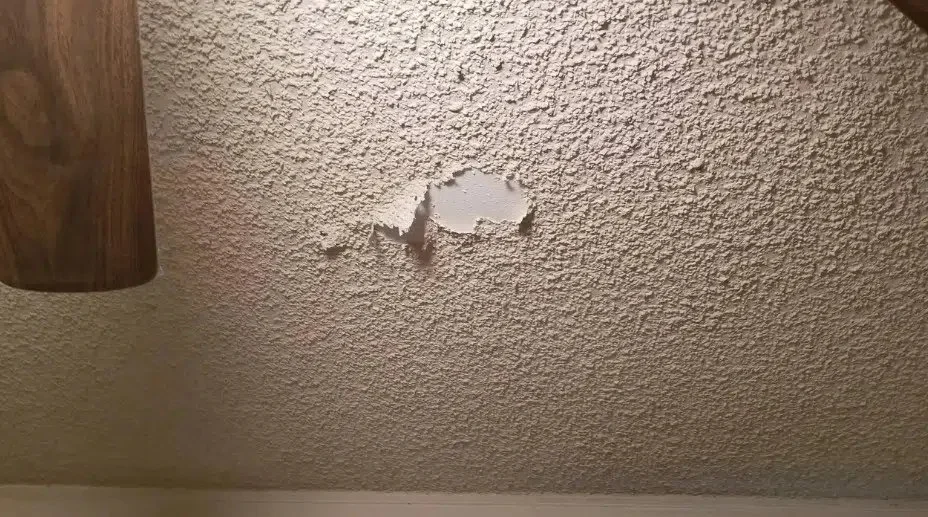
Unfortunately, the texture is also fragile. Scrubbing too hard or using too much water can loosen the material and leave bare spots that are difficult to repair.
A gentle cleaning routine helps preserve both the appearance and the texture.
Important: If your home was built before the 1980s and the popcorn ceiling has never been tested, it may contain asbestos. Avoid scraping or disturbing the ceiling until it has been properly evaluated.
What You’ll Need
Before getting started, gather a few basic supplies:
- Step ladder
- Vacuum with a soft brush attachment
- Microfiber duster with an extension handle
- Plastic sheets or drop cloths
- Safety glasses
- Dust mask
These simple tools are usually all you need for routine cleaning.
Prepare the Room
A little preparation makes cleanup much easier.
- Cover furniture and flooring with drop cloths.
- Turn off ceiling fans and HVAC vents to prevent dust from spreading.
- Move lightweight furniture out of the way if possible.
Step 1: Remove Loose Dust
The safest way to clean a popcorn ceiling is by removing loose dust first.
If you have a vacuum with a soft brush attachment, gently move it across the ceiling without pressing against the texture.
If a vacuum isn’t available, use a microfiber duster with light, sweeping motions.
Avoid aggressive brushing, which can knock pieces of the texture loose.
Step 2: Treat Small Stains Carefully
For light stains, slightly dampen a microfiber cloth with water and gently blot the affected area.
Never scrub the ceiling.
If needed, add a drop of mild dish soap to the water, but use as little moisture as possible. Too much water can soften the texture and cause it to separate from the ceiling.
Allow the Ceiling to Dry Naturally
After spot cleaning, allow the ceiling to air dry.
Avoid using fans or heat to speed up the process, since strong airflow may disturb loose texture.
How Often Should You Clean It?
Regular maintenance prevents heavy dust buildup.
A good schedule is:
- Dust every 1–3 months.
- Remove cobwebs whenever you notice them.
- Spot-clean stains only when necessary.
Frequent light cleaning is much safer than deep cleaning after years of buildup.
Common Mistakes to Avoid
To protect the texture, avoid:
- Scrubbing with brushes or abrasive sponges.
- Using excessive water.
- Spraying cleaners directly onto the ceiling.
- Using bleach or harsh chemical cleaners.
- Pressing the vacuum attachment firmly against the surface.
Gentle cleaning almost always produces the best results.
Final Thoughts
Popcorn ceilings don’t require complicated maintenance, but they do need a careful approach. Regular dusting with a microfiber duster or a vacuum brush attachment is usually enough to keep them looking clean.
When stains appear, use minimal moisture and avoid aggressive scrubbing. With a little routine maintenance, you can keep your popcorn ceiling looking fresh while protecting its delicate texture for years to come.