Danny Trejo’s Liver Cancer Battle: The Difficult Health Struggle He Kept Private
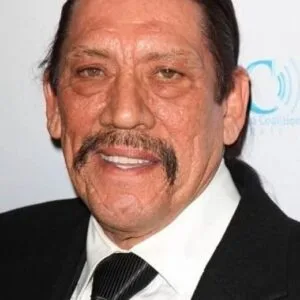
Danny Trejo is known for his tough-guy roles, unforgettable screen presence, and ability to bring intimidating characters to life. But behind the familiar face of the Hollywood actor is a personal health story that many fans may not know about. Trejo has spoken about surviving liver cancer, including the frightening discovery of a large tumor and the difficulty of keeping his diagnosis private while continuing to work.
His experience offers a reminder that even people who appear strong and confident on screen can face serious health challenges away from the cameras.
<AsyncImage query=”Danny Trejo actor portrait smiling Mexican American Hollywood actor” aspectRatio=”16:9″ width=”100%” />
The Diagnosis That Changed Everything
Danny Trejo has built a long career playing memorable characters in films and television. Many viewers recognize him from Machete, Con Air, Heat, and his appearance as Tortuga in Breaking Bad.
His screen persona often makes him appear fearless, but his experience with cancer brought a very different kind of challenge.
According to accounts of his past health experience, doctors discovered a tumor measuring approximately 10 centimeters on his liver. A tumor of that size can be a serious medical concern, and receiving such a diagnosis can be frightening for anyone.
The liver performs essential functions, including processing nutrients, producing substances needed for blood clotting, and helping the body break down medications and other substances. When cancer develops in this organ, treatment decisions depend on several factors, including the type of cancer, its location, the condition of the liver, and whether the disease has spread.
For Trejo, the diagnosis meant facing a difficult medical situation while trying to maintain his professional life.
Why He Kept His Illness Private
One of the most striking parts of Trejo’s story is his reported decision to keep his diagnosis from many people close to him.
According to his account, he was concerned about what might happen to his acting career if people learned he was seriously ill. He reportedly continued working while trying to keep the situation out of public view.
Keeping a major diagnosis private can be emotionally exhausting. A person may feel pressure to appear normal, continue meeting professional obligations, and avoid questions from colleagues or friends.
Cancer can also bring uncertainty about the future. Patients may worry about treatment, their ability to work, financial responsibilities, and how loved ones will react to the news.
Although everyone responds differently to a diagnosis, having trusted people available for emotional support can make a difficult experience easier to navigate.
Trejo’s experience also illustrates how a public image can differ from private reality. Audiences may see an actor performing confidently on screen without knowing what that person is dealing with away from the set.
The Treatment That Helped Him Recover
Trejo has described receiving injections as part of his treatment. Accounts of his experience indicate that doctors treated the tumor and that he was later told he was cancer-free.
However, the precise medical procedure should not be assumed without confirmation from reliable clinical details. Different treatments may involve injections, targeted delivery of medication, radiation-based procedures, surgery, or other approaches depending on the patient’s condition.
One treatment used in selected liver cancer cases is selective internal radiation therapy, also known as SIRT. It involves delivering tiny radioactive beads through blood vessels supplying a liver tumor. The treatment is designed to target the tumor while limiting exposure to surrounding tissue.
That does not establish that Trejo received SIRT. His reported description of injections alone is not enough to identify the exact procedure he underwent.
Liver cancer treatment is highly individualized. Doctors consider the size and location of the tumor, the type of cancer, liver function, and the patient’s overall health before deciding which options are appropriate.
For anyone facing a similar diagnosis, the most important step is to discuss the available treatments with a qualified medical team rather than trying to identify a procedure from a celebrity’s account.
The Emotional Cost of Living With Cancer
A serious diagnosis can affect far more than physical health. Patients may experience fear, frustration, exhaustion, and uncertainty while waiting for test results or undergoing treatment.
For someone whose work depends on being available for filming and professional commitments, managing illness can create additional pressure.
Trejo reportedly described the difficulty of keeping his suffering private, even as he continued working. The experience highlights how people sometimes hide their distress because they fear disappointing others or losing opportunities.
Yet asking for help is not a sign of weakness. Support from family, friends, healthcare professionals, and patient organizations can help people cope with the practical and emotional demands of cancer treatment.
There is no single correct way to respond to a diagnosis. Some people prefer to discuss their situation openly, while others choose to share information only with a small circle of trusted individuals.
What matters is that patients have access to appropriate care and support that respects their preferences.
Warning Signs of Liver Cancer
Liver cancer does not always cause obvious symptoms in its early stages. When symptoms do occur, they can resemble those of other medical conditions.
Possible warning signs include:
- Unexplained weight loss.
- Persistent tiredness or weakness.
- Reduced appetite or feeling full quickly.
- Pain or discomfort in the upper-right side of the abdomen.
- A lump or swelling in the abdominal area.
- Yellowing of the skin or whites of the eyes, known as jaundice.
- Abdominal swelling or persistent nausea.
These symptoms do not automatically mean someone has liver cancer. They can have many possible causes, but persistent, unexplained, or worsening symptoms should be evaluated by a healthcare professional.
Sudden or severe abdominal pain, confusion, vomiting blood, or other serious symptoms require urgent medical attention.
It is also important to remember that some people with liver cancer initially experience few noticeable symptoms. People with chronic liver disease or other recognized risk factors should discuss appropriate monitoring with their healthcare provider.
Why Early Medical Attention Matters
The earlier liver cancer is identified, the more treatment options may be available for some patients. However, the outlook depends on the cancer’s type and stage, the person’s liver function, and other individual circumstances.
Certain conditions, including chronic hepatitis B or C infection and cirrhosis, can increase the risk of developing liver cancer. Other risk factors may include heavy alcohol use and metabolic conditions associated with liver damage.
Reducing risk starts with practical health measures, such as discussing hepatitis vaccination where appropriate, seeking testing and treatment for hepatitis infections, limiting alcohol, and managing conditions that affect liver health.
There is no guaranteed way to prevent every case of liver cancer. Regular medical care can nevertheless help people identify relevant risk factors and determine whether monitoring is appropriate.
Anyone concerned about their liver health should seek advice based on their own medical history rather than relying on symptoms or stories from celebrities.
Danny Trejo’s Life Beyond His Tough-Guy Roles
Trejo’s career has spanned decades, with appearances in hundreds of film and television productions. His distinctive appearance and commanding presence have made him recognizable to audiences around the world.
Beyond acting, he has become known for his business ventures and community involvement. His public story includes difficult experiences earlier in life, followed by a long career in entertainment.
His cancer experience reveals another side of that story: the uncertainty that can accompany a serious diagnosis, even for someone who appears resilient.
At the same time, it is important to respect the difference between a past health struggle and a current medical emergency. The article describing Trejo’s cancer battle recounts an earlier experience; it does not establish that he is currently suffering from cancer or facing a new health crisis.
Fans who admire him can appreciate his openness about difficult experiences without assuming that an alarming headline means his condition has recently worsened.
A Reminder to Take Your Health Seriously
Stories about cancer can encourage people to pay closer attention to their own health and to seek medical advice when something does not feel right.
But celebrity experiences cannot predict what will happen to another patient. Cancer varies widely, and treatment outcomes depend on individual medical circumstances.
If you or someone you love has received a cancer diagnosis, ask the medical team to explain the diagnosis, the purpose of each treatment, possible side effects, and the available support services. Getting reliable information can help make difficult decisions feel more manageable.
Trejo’s reported experience also reminds us that people may be carrying serious personal struggles without showing them publicly. A little compassion and understanding can matter, whether someone is a famous actor or a person in our own family.
Final Thoughts
Danny Trejo’s reported battle with liver cancer offers a glimpse into a difficult period that he tried to keep private while continuing his career. His account describes a large tumor, treatment, and the relief of being told he was cancer-free.
Although the headline may sound alarming, the available article discusses his past illness rather than confirming a new health emergency.
His experience is a reminder that serious illness can affect anyone and that medical evaluation, appropriate treatment, and emotional support are important when facing a diagnosis.
For fans, the story is an opportunity to reflect on the person behind the familiar movie roles and to remember the importance of taking health concerns seriously.
Have you ever been surprised to learn that a favorite actor had faced a serious health challenge away from the cameras? Stories like these can remind us that there is often much more to a person’s life than what we see on screen.