Skip to content

Understanding Your Dog’s Body Language: A Guide for Any Pet Parent
As pet parents, we often find ourselves puzzled by our furry friends’ behavior. Why does your dog seem so excited sometimes, while at other moments, they appear anxious or withdrawn? Understanding your dog’s body language is not just fascinating; it’s essential for building a deeper bond with your beloved companion. The good news? With a little guidance, you can learn to interpret their signals and respond appropriately.
Why This Works
Dogs communicate through their bodies. From the way they stand to the look in their eyes, every movement conveys a rich tapestry of emotions and intentions. By learning these cues, you can enhance your relationship with your dog, ensuring they feel understood, loved, and secure. This not only improves your bond but also creates a more harmonious living environment for both of you.
Reading the Signs
Let’s dive into some common body language signals your dog may display:
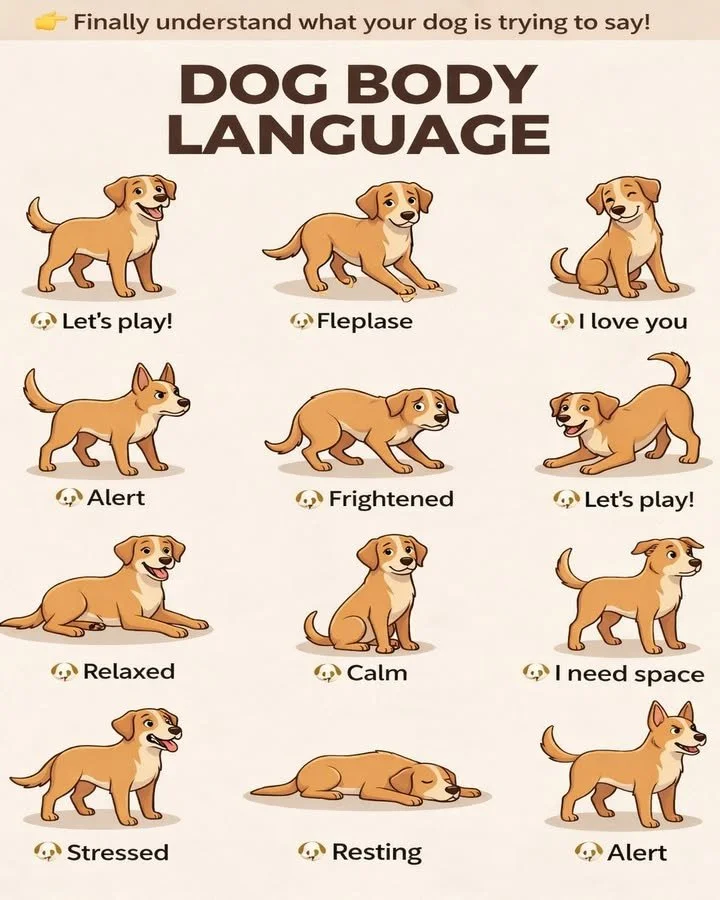
🎾 Playful Posture
When your dog lowers their front body while keeping their rear end in the air and their tail wagging excitedly, it’s a clear invitation to play. This "play bow" is often accompanied by barking or happy yips, signaling eagerness for interaction.
💛 Soft Eyes and Relaxed Body
If your dog gazes at you with soft eyes and maintains a loose, relaxed posture, this is a sign of affection and trust. They feel comfortable in your presence, and this warmth is a hallmark of a strong bond.
👀 Alert Stance
An alert dog holds their head high, with ears perked up and a focused gaze. This stance indicates they are curious about something in their environment, ready to engage or respond to stimuli.
😨 Tense Body and Lowered Posture
Conversely, if your dog appears hunched with a low tail and ears pinned back, they may be feeling fearful or insecure. It’s crucial to offer reassurance in these moments to help them feel safe.
🌿 Relaxed Position
A dog that lies comfortably, with legs stretched out and a calm demeanor, is likely feeling safe and content. This level of relaxation shows they trust their space and the people in it.
🚶♂️ Turning Away or Stepping Back
If your dog is turning away or trying to create space, it’s a clear signal they need a moment to themselves. Respect their boundaries and give them the time they need.
😓 Restlessness or Stiffness
Signs of stress can manifest as restlessness, pacing, or a rigid body stance. If you notice your dog exhibiting these behaviors, it’s important to assess the environment and remove any stressors to help them relax.
😴 Lying Down Peacefully
A dog sprawled out, sleeping soundly, is a happy and relaxed dog. This position indicates trust and comfort in their surroundings.
Expected Results
By becoming fluent in your dog’s body language, not only will you foster a stronger connection, but you’ll also be better equipped to respond to their needs. Whether it’s giving them space during stressful situations or engaging them in play when they’re eager, understanding these signals leads to a happier, healthier relationship.
Extra Tips for Better Communication
- Spend Quality Time Together: Regular play and bonding time will help you learn their unique cues better.
- Observe Context: Body language can vary with different environments and experiences. Always consider the context for accurate interpretation.
- Consistency Matters: Use consistent cues and commands to build trust and understanding between you and your dog.
- Stay Calm and Confident: Dogs pick up on their owner’s energy. Maintaining a calm demeanor can help your pet feel more secure.
Conclusion
Understanding your dog’s body language opens the door to a deeper partnership. By learning to interpret these subtle cues, you create a bond built on trust and communication. Remember, your furry friend doesn’t just need a loving home; they need someone who understands them. So, pay attention, be attentive, and enjoy every moment with your best friend. After all, the better you understand them, the happier you both will be!