Have you ever picked up a beautifully packaged piece of meat at the supermarket, assuming you knew exactly what you were buying? Think again! The appearance, color, packaging, and attractive labels can influence our decisions more than we realize.
Many shoppers believe that every package labeled fresh, natural, lean, or premium tells the complete story. But understanding meat labels and processing methods is essential if you want to make informed choices for your family.
Before your next grocery trip, here are some important things you should know.
1. Not All Meat Products Are the Same
There is an important difference between a whole cut of meat and a processed meat product.
Fresh chicken breasts, beef steaks, and lamb chops are generally sold as recognizable cuts. However, sausages, nuggets, burgers, deli meats, and formed meat products may contain additional ingredients such as salt, seasonings, preservatives, or other additives.
This does not automatically make them unsafe, but it means you should read the ingredients rather than judge the product by its appearance.
2. Pay Attention to the Ingredients List
One of the easiest ways to understand what you are purchasing is to turn the package over and read the label.
Look for:
- Added salt and sodium.
- Preservatives and food additives.
- Added water or other ingredients.
- The animal species used.
- Any declared allergens.
A short, understandable ingredient list can make comparing products easier.
3. Don’t Be Misled by Attractive Packaging
Words such as “premium,” “natural,” “farm fresh,” and “traditional” can make products sound more appealing.
However, attractive marketing language does not necessarily mean that a product is healthier, fresher, or more nutritious.
Check what the claims actually mean and whether the manufacturer provides reliable information to support them.
4. Fresh and Previously Frozen: Know the Difference
Some meat products are frozen and later thawed before being offered for sale.
This does not automatically mean the meat is poor quality or unsafe. However, knowing whether meat has previously been frozen can help you make better decisions about storage and cooking.
Always check the package information and ask the butcher if you are unsure.
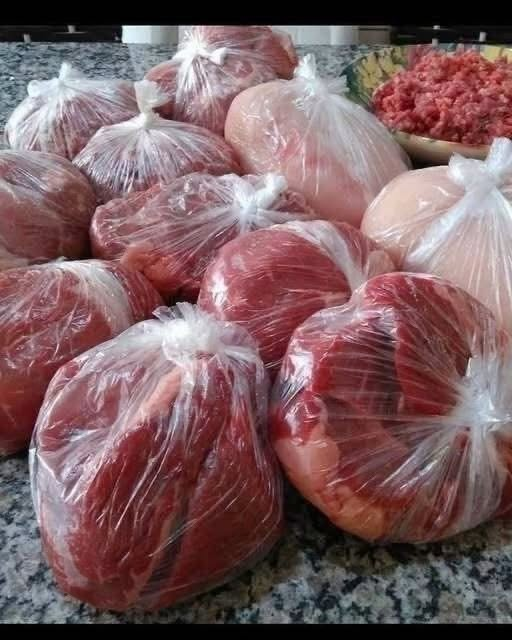
5. Why Does Some Meat Look Brighter Than Others?
The color of meat can change depending on the animal, the cut, oxygen exposure, packaging atmosphere, and storage conditions.
Bright red meat is not automatically fresher or safer than darker meat. Likewise, color alone cannot reliably determine whether meat has spoiled.
Pay attention to the use-by date, storage temperature, packaging condition, and any unusual odor or texture.
6. How to Protect Yourself When Buying Meat
A few simple habits can make your shopping experience safer:
- Purchase meat from reputable stores and inspected suppliers.
- Check that refrigerated meat is properly chilled.
- Avoid packages that are leaking, damaged, or swollen.
- Read labels and ingredient lists carefully.
- Keep raw meat separate from ready-to-eat foods.
- Refrigerate or freeze meat promptly after purchase.
- Cook meat to a safe internal temperature.
The Bottom Line
Supermarkets are not necessarily selling you inferior meat, but shoppers should never rely entirely on packaging, advertising, or appearance.
The smartest consumers take a few extra seconds to read labels, compare products, understand ingredients, and check storage information.