
Five Workers Killed in Devastating Greek Biscuit Factory Explosion as Investigation Continues Months Later
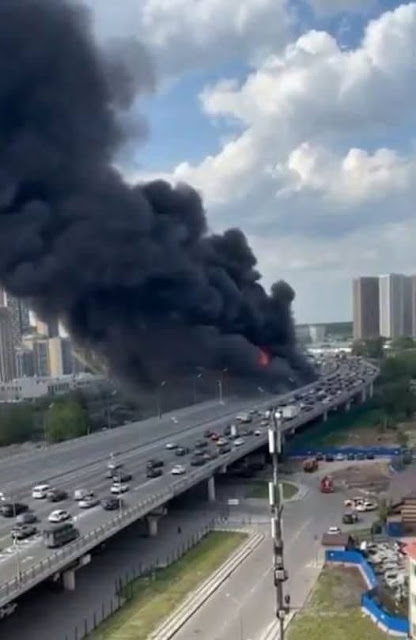
A normal night shift at a biscuit factory in central Greece turned into a devastating tragedy when a powerful explosion triggered a fire that destroyed parts of the building and claimed five lives.
The disaster occurred in the early hours of January 26, 2026, at the Violanta biscuit factory near Trikala. Five female workers who had been inside the facility lost their lives, leaving families and colleagues devastated.
Emergency crews rushed to the scene as firefighters battled the flames and rescue teams searched the damaged building. Eight workers managed to escape, but the destruction was so severe that rescuers faced a difficult operation.
Months later, questions about what caused the explosion remain at the center of a major investigation. Authorities have been examining the factory’s propane supply system, possible safety failures, and the responsibilities of those involved in operating the facility.
The tragedy has also entered a new legal chapter, with relatives of the victims challenging decisions made during the ongoing proceedings.
A Night Shift Turns Into a Disaster
The explosion happened while the factory was operating its overnight production shift.
According to information released by Greece’s Civil Protection authorities, 13 people were working at the facility when the incident occurred. Eight managed to escape, while the remaining workers were caught inside the damaged building.
The explosion was followed by a major fire that spread through parts of the factory, making the rescue operation particularly dangerous.
Firefighters worked for hours to control the blaze and reach areas where workers might still be trapped. Specialist emergency teams were also sent from nearby Larissa to assist with the operation.
The scale of the destruction made it difficult to search the building safely. Rescuers and investigators had to work carefully around damaged structures and areas affected by the explosion.
As the operation continued, the news became increasingly heartbreaking: five women who had been working the night shift had died.
Other people were treated for injuries, including a firefighter who was hurt during the emergency response.
Investigators Examine the Factory’s Gas Supply
Once the fire was brought under control, attention turned to the possible cause of the explosion.
One of the most important areas of the investigation has been the factory’s propane supply system.
According to Greece’s Civil Protection Ministry, investigators identified two above-ground propane tanks located approximately 30 meters from the area where the explosion occurred. Underground pipes connected the tanks to the factory and supplied fuel to its ovens.
This discovery has made the gas installation a major focus of the investigation.
Authorities have been examining whether a propane leak could have allowed gas to accumulate before the explosion. They are also looking into whether the equipment, pipes, and related safety systems were operating properly.
However, identifying the presence of propane equipment does not, by itself, establish exactly what happened. Investigators must determine whether a leak occurred, where it may have originated, and whether any technical or safety failures contributed to the disaster.
The evidence collected from the site, along with technical inspections and witness statements, will be essential in answering those questions.
A Major Investigation Into Possible Safety Failures
The investigation has gone beyond identifying the physical cause of the explosion.
Prosecutors have ordered inquiries into possible technical, legal, and administrative responsibilities connected to the factory.
Investigators have examined the facility, gathered evidence, and interviewed people who worked there or had knowledge of its operations.
The central questions include whether the propane installation met the required safety standards, whether inspections were properly carried out, and whether any warning signs had been overlooked.
If investigators establish that safety regulations were violated or that negligence contributed to the explosion, those findings could have significant legal consequences.
For now, however, responsibility must be determined through the investigation and judicial process rather than assumptions.
Factory Owner Released Under Restrictive Conditions
The legal proceedings continued long after the initial emergency.
On September 1, 2026, factory owner Kostas Tziortziotis was released from pretrial detention under restrictive conditions while the investigation remained ongoing.
The conditions reportedly require him to report to police every month and prohibit him from leaving Greece.
The decision did not bring the investigation to an end or establish that no one was responsible for the disaster. It was a legal decision concerning his detention while the case continued.
The factory’s general manager had also previously been released under restrictive conditions.
The developments have drawn attention from the families of the five women who died. Relatives have appealed the decision to release the owner under those conditions, seeking further legal consideration as they continue to demand answers.
For the families, the proceedings are closely connected to the question of how the tragedy could have happened in a functioning industrial facility.
Five Women and Families Left Behind
Behind the investigation and legal proceedings are five women whose lives ended during an ordinary working shift.
Their deaths have left an enormous loss for their families, friends, and colleagues. The incident also shook the wider Trikala community, where the factory disaster became a painful reminder of the risks workers can face in industrial environments.
For the people closest to the victims, the passage of time has not made the questions disappear.
They want to understand what happened inside the factory before the explosion, whether anyone could have detected a danger, and whether stronger precautions might have prevented the loss of life.
Those questions cannot be answered by speculation. They require a careful examination of the physical evidence, the factory’s safety records, and the circumstances surrounding the night shift.
What Happens Next?
The investigation must establish the precise sequence of events that led to the explosion and determine whether any failures contributed to the deaths.
The propane tanks and underground supply pipes remain important parts of that inquiry, but investigators must consider all relevant technical evidence before reaching a final conclusion.
The legal process will also need to address any responsibilities identified through the investigation.
As of November 2026, the tragedy continues to have consequences for the families and the community. The release of the factory owner under restrictive conditions has not ended the proceedings, and the relatives’ appeal reflects their continuing demand for accountability.
What happened at the Violanta factory was more than an industrial accident reported in the news. Five women went to work during an overnight shift and never returned home.
Their families are still waiting for a full explanation of how the disaster happened and whether it could have been prevented.
The hope now is that the investigation will establish the truth, provide answers to those who lost loved ones, and help prevent another workplace tragedy of this kind.