
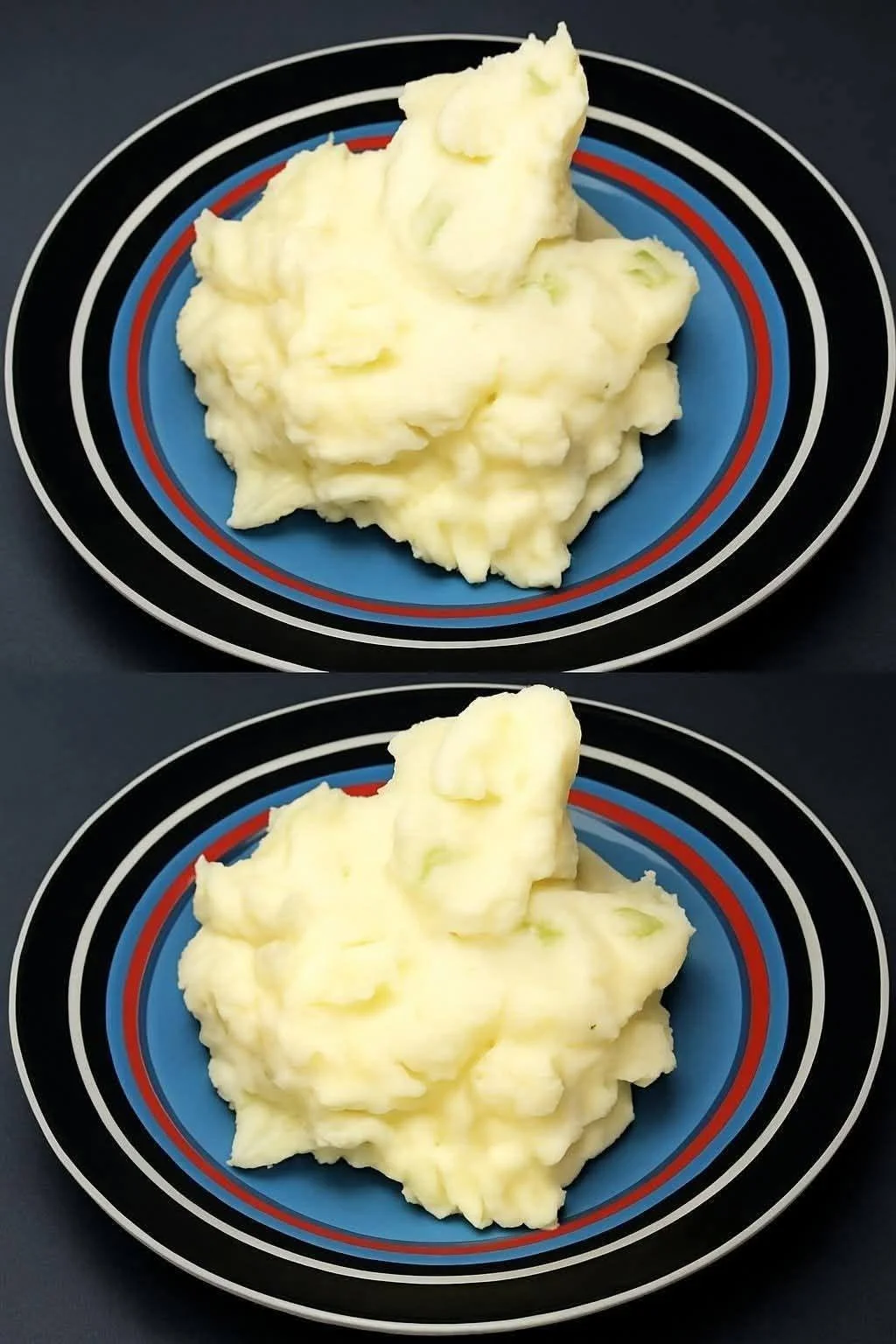
There’s something about a big bowl of homemade mashed potatoes that makes a meal feel instantly more comforting. Creamy, buttery, soft, and fluffy, these classic mashed potatoes are the kind of side dish that never seems to go out of style.
This version keeps things simple with Russet potatoes, butter, warm cream, and a little sour cream for extra richness. The result is smooth and flavorful without becoming heavy or gummy.
Whether you’re serving them with roast chicken on a Sunday, putting together a holiday dinner, or simply making a cozy weeknight meal, these mashed potatoes are easy enough for everyday cooking and special enough for the family table.
Why These Mashed Potatoes Work So Well
The best mashed potatoes don’t require a complicated recipe. A few small details make the biggest difference:
- Russet potatoes provide a light, fluffy texture.
- Warm cream blends smoothly into the potatoes.
- Butter adds richness and that classic homemade flavor.
- Sour cream gives the potatoes a subtle tang.
- Gentle mashing helps prevent a gluey texture.
- Fresh herbs add a simple finishing touch.
The most important part is resisting the temptation to overwork the potatoes. Once they’re tender, treat them gently.
Ingredients
For the Potatoes
- 4 large Russet potatoes, peeled and cut into 1-inch pieces
- ½ cup unsalted butter, softened or melted
- ½ cup heavy cream, warmed
- ¼ cup sour cream, optional
- 2 cloves fresh garlic, finely minced, optional
- Fine sea salt, to taste
- Freshly ground black pepper, to taste
- Fresh chives or parsley, chopped, for garnish
For a slightly lighter version, you can replace the heavy cream with whole milk.
How to Make Grandma’s Mashed Potatoes
Step 1: Prepare the Potatoes
Peel the potatoes and cut them into pieces that are roughly the same size.
Uniform pieces are important because they cook more evenly. If some pieces are very large while others are small, the smaller ones may become waterlogged before the larger pieces are completely tender.


Step 2: Cook Until Completely Tender
Place the potatoes in a large pot and cover them with water.
Bring the water to a boil, then continue cooking until the potatoes can be easily pierced with a fork.
You want them tender enough to mash effortlessly, but there’s no need to keep cooking them once they reach that point.
Step 3: Warm the Cream
While the potatoes cook, gently warm the heavy cream in a small saucepan or microwave-safe container.
The cream should be warm, not boiling.
Prepare the butter at the same time so everything is ready when the potatoes are drained.


Step 4: Drain the Potatoes Well
Once the potatoes are tender, drain them thoroughly.
This step is easy to overlook, but it makes a real difference. Excess water can make mashed potatoes taste diluted and give them a thinner texture.
Return the drained potatoes to the warm pot for a minute if necessary, allowing some remaining surface moisture to evaporate.
Step 5: Mash Gently
Mash the potatoes with a traditional potato masher or potato ricer.
Add the butter and gradually pour in the warm cream while gently mixing.
If you’re using sour cream, fold it in once the butter and cream have been incorporated.
Season with salt and freshly ground black pepper.
For garlic mashed potatoes, add the finely minced garlic at this stage.


Step 6: Finish and Serve
Continue gently mixing just until the potatoes reach the consistency you like.
Avoid vigorous stirring. The more you work potatoes after they’ve been cooked, the greater the chance of ending up with a sticky or gummy texture.
Transfer the mashed potatoes to a serving bowl and sprinkle with freshly chopped chives or parsley.
A small pat of butter on top is always welcome.
The Secret to Really Fluffy Mashed Potatoes
The potato variety matters.
Russet potatoes are particularly good for mashed potatoes because they contain plenty of starch and relatively little moisture. That combination helps create the light, fluffy texture most people want.
But even Russets can become gummy if they’re overworked.
A potato masher or ricer is a much better choice than a food processor or high-speed blender. Those appliances can break the potato cells down too aggressively and release excess starch.
The result can quickly go from creamy to gluey.
So once the potatoes are tender, mash them gently and stop as soon as they’re smooth enough for your liking.
Why Warm Cream Makes a Difference
Adding cold dairy straight from the refrigerator can cool the potatoes considerably.
Warm cream blends into hot potatoes more easily and helps maintain the temperature of the finished dish.
It also makes it easier for the butter and cream to distribute evenly throughout the potatoes.
You don’t need to boil the cream. Simply warming it until it’s comfortably hot is enough.


Easy Variations
Garlic Mashed Potatoes
Add finely minced fresh garlic while combining the potatoes with the butter and cream.
For a milder garlic flavor, you can use roasted garlic instead.
Herb Mashed Potatoes
Fresh chives and parsley work beautifully, but you can also experiment with rosemary or thyme.
Extra-Creamy Mashed Potatoes
For an especially rich version, use both heavy cream and sour cream.
The sour cream adds a gentle tang that keeps the richness from becoming one-dimensional.
Lighter Mashed Potatoes
Replace the heavy cream with whole milk.
You’ll still get creamy mashed potatoes, but with a lighter overall texture.
What to Serve With Grandma’s Mashed Potatoes
These mashed potatoes are one of those side dishes that seem to belong with almost everything.
Try serving them with:
- Roast chicken
- Turkey
- Roast beef
- Pork chops
- Meatloaf
- Grilled steak
- Roasted vegetables
- Homemade gravy
For a holiday meal, they’re especially good alongside turkey, gravy, stuffing, roasted vegetables, and cranberry sauce.
Tips for Better Mashed Potatoes Every Time
Choose the right potatoes. Russets are excellent when you want light and fluffy mashed potatoes.
Cut them evenly. Similar-sized pieces cook at the same rate.
Don’t overcook them. Drain them once they’re completely tender.
Drain thoroughly. Too much water can dilute the flavor and texture.
Warm the dairy. Warm cream incorporates more smoothly.
Use a masher or ricer. Avoid high-speed appliances that can overwork the potatoes.
Don’t overmix. Stop as soon as the texture is creamy and fluffy.
Season gradually. Taste before adding more salt or pepper.
Make-Ahead Tip
Mashed potatoes are best when freshly prepared, but they can also be made ahead for busy dinners and holidays.
If preparing them in advance, keep them warm and covered, then gently loosen the texture with a small amount of warm cream or milk before serving.
Add a little extra butter on top just before bringing them to the table.
Final Thoughts
Grandma’s mashed potatoes are a reminder that some of the best comfort foods are also the simplest.
Tender Russet potatoes, rich butter, warm cream, and a little sour cream are all it takes to create a side dish that feels homemade and familiar.
The real secret isn’t adding more ingredients. It’s choosing good potatoes, draining them well, using warm dairy, and handling them gently.
Do that, and you’ll have creamy, fluffy mashed potatoes that fit just as beautifully beside a Sunday roast as they do at a holiday dinner.







