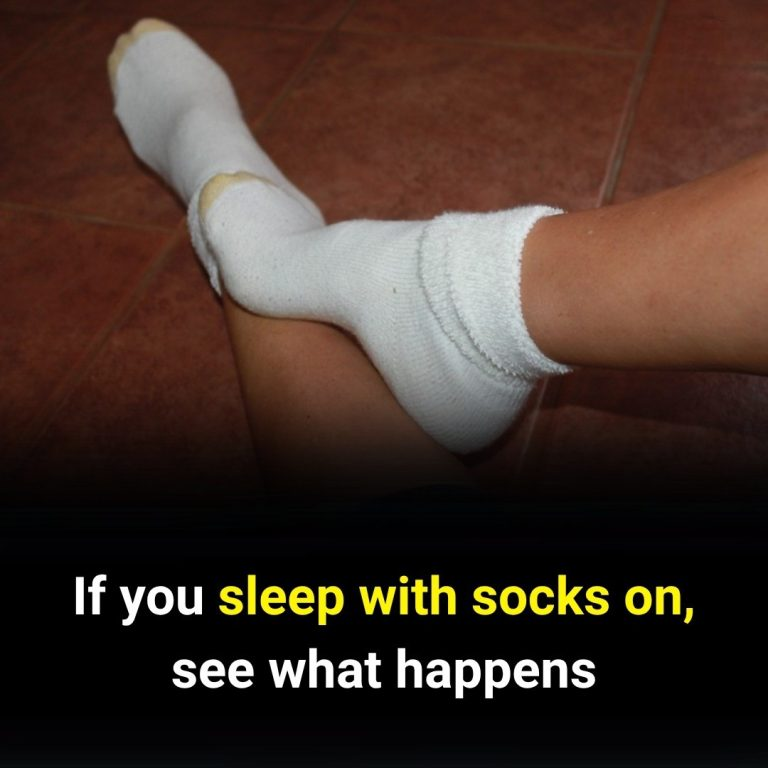
Sleeping With Socks On May Help You Rest Better, But One Detail Matters
For many people, slipping on a pair of socks before bed is simply a way to stay warm. But this small bedtime habit may offer more than comfort, especially for adults who often find their feet getting cold at night.
As we get older, our bodies can become more sensitive to changes in temperature. Some people notice that their feet feel colder in the evening, their skin becomes drier, or it takes longer to feel comfortable when they climb into bed. These everyday changes can make it harder to settle down and enjoy a restful night.
So, is sleeping with socks on a good idea? For many people, the answer is yes. Wearing the right pair may help keep your feet comfortably warm, make it easier to relax at bedtime, and support healthy skin. However, the type of socks you choose and your individual health needs matter.
1. Warm Feet May Help You Fall Asleep More Easily
Have you ever climbed into bed feeling tired, only to find yourself lying awake because your feet are freezing? Cold feet can make it difficult to get comfortable, particularly during colder months or in rooms that feel chilly at night.
Wearing socks can help maintain a comfortable temperature around your feet. This may make it easier to relax and settle into bed without constantly moving your feet under the covers in search of warmth.
There is also a reason this simple habit may help with sleep. As the body prepares for sleep, it naturally adjusts its internal temperature. Changes in blood flow near the skin, including in the hands and feet, help the body release heat. Keeping your feet comfortably warm may support this process for some people.
That does not mean socks work like a sleeping pill or guarantee a full night’s rest. Sleep is affected by many factors, including stress, room temperature, daily habits, medications, and underlying health conditions.
Still, if cold feet regularly keep you awake, trying a lightweight pair of socks may be a simple way to make bedtime more comfortable.
2. They Can Help You Stay Comfortable Throughout the Night
Some people fall asleep easily but wake up when they feel cold during the night. This can be especially frustrating in winter, when the temperature drops and the bedroom becomes less comfortable.
Socks provide an extra layer of insulation that helps reduce heat loss from the feet. For people who tend to have cold feet, that added warmth may help them remain comfortable as they sleep.
The key is choosing socks that provide gentle warmth without making your feet sweaty. Thick, heavy socks may seem like the obvious choice on a cold night, but they can become uncomfortable if they trap too much heat.
A breathable pair is often a better starting point. If you wake up feeling hot, notice damp feet, or find the socks uncomfortable, take them off or switch to a lighter material.
Your goal is not to keep your feet as warm as possible. It is to maintain a comfortable temperature that allows you to sleep without distraction.
3. The Right Socks May Help Protect Dry Skin
Feet often receive less attention than other parts of the body, even though the skin can become dry, rough, and uncomfortable with age.
Cold weather, frequent washing, hot showers, and naturally dry skin can all contribute to cracked heels and rough patches. For some people, these problems become more noticeable over time.
Soft socks can help reduce friction between your feet and the bedding. They may also help retain moisture after you apply a suitable foot cream, leaving your skin feeling softer by morning.
If dry skin is a concern, consider applying a small amount of fragrance-free moisturizer before bed and covering your feet with clean, breathable socks. Avoid applying cream between the toes if the area tends to remain damp, since excess moisture there can cause problems.
Socks alone will not treat severe cracks, persistent itching, or other skin conditions. If your feet become painful, develop open sores, or show signs of infection, seek advice from a healthcare professional.
People with diabetes or reduced sensation in their feet should be especially careful. Check your skin regularly and avoid anything that could cause pressure, irritation, or overheating without you noticing.
4. What About Circulation as You Get Older?
Circulation is one reason people often discuss wearing socks at night, but it is important to understand what socks can and cannot do.
As people age, they may become more aware of cold feet or changes in comfort. However, persistently cold feet are not simply an inevitable part of getting older. They can sometimes be associated with circulation problems, nerve issues, medication effects, or other health conditions.
Ordinary socks help keep the feet warm. They do not automatically improve blood flow or treat an underlying circulation problem.
If your feet are frequently cold even in a warm room, or you experience numbness, tingling, pain while walking, skin discoloration, or wounds that heal slowly, speak with a healthcare professional. These symptoms deserve attention rather than being managed with extra layers alone.
Compression socks are different from ordinary bedtime socks. They apply specific pressure and may be recommended for certain medical conditions, but they are not suitable for everyone. Ask a healthcare professional whether they are appropriate for you, particularly if you have known circulation problems.
If one foot suddenly becomes cold, pale or blue, or you develop sudden severe pain or numbness, seek urgent medical care.
5. Which Socks Are Best for Sleeping?
If you decide to sleep with socks on, comfort should be your main priority. The best pair is one that keeps your feet warm without squeezing them or causing excessive sweating.
<PRIVATE_PERSON>atural fibers such as cotton and some types of wool can be comfortable options, while breathable bamboo-blend fabrics may also suit some people. Different materials feel different against the skin, so choose what works best for you.
Here are a few things to look for:
A loose, comfortable fit: Socks should not leave deep marks around your ankles or feel tight around your toes.
Breathable fabric: Choose material that helps manage moisture and does not leave your feet damp.
Soft seams: Rough seams can irritate sensitive skin, particularly if you move around frequently while sleeping.
Clean socks: Put on a fresh pair at bedtime, especially if your feet tend to sweat during the day.
Appropriate warmth: Lightweight socks may be enough for a mildly cool room, while thicker socks may be useful in colder conditions if they remain comfortable.
Avoid socks that are too tight, damp, or worn out. If your feet become sweaty or overheated, switch to a lighter pair or sleep without socks.
There is no single material that works best for everyone. Personal comfort, skin sensitivity, and room temperature all make a difference.
6. Who Should Be More Careful About Wearing Socks at Night?
For most healthy adults, sleeping in clean, comfortable socks is generally a simple personal preference. However, certain health conditions call for extra care.
People with diabetes may have reduced sensation or circulation problems that make foot injuries harder to notice. If this applies to you, inspect your feet regularly and choose socks that fit properly without tight bands or irritating seams. Follow any specific foot-care advice provided by your healthcare team.
People who experience significant swelling should also pay attention to how their socks fit. Tight elastic can leave uncomfortable marks or put pressure on swollen areas. If swelling is persistent or unexplained, it is worth discussing with a medical professional.
Anyone with a skin condition that worsens with moisture should avoid trapping sweat against the feet. Keeping the skin clean and dry is particularly important between the toes.
Finally, if wearing socks makes you feel too hot, disrupts your sleep, or leaves your feet uncomfortable, there is no need to force the habit. You can get a good night’s sleep without wearing socks.
7. A Simple Way to Find Out Whether Socks Help You
You do not need an elaborate bedtime routine to test whether sleeping with socks makes a difference.
Start by paying attention to how your feet feel when you get into bed. If they are often cold, try a clean, breathable pair of socks for several nights.
Notice whether you feel comfortable more quickly, whether you wake up less often because of the cold, and whether your feet feel too warm by morning. If you find yourself sweating or kicking the covers off, try a lighter pair or go without socks.
It can also help to look at the rest of your sleep environment. A comfortable room temperature, suitable bedding, and a consistent bedtime may matter just as much as what you wear on your feet.
If cold feet persist despite these adjustments, especially when accompanied by pain, numbness, unusual color changes, or swelling, do not assume that socks are the solution. Consider getting medical advice to identify the cause.
The best bedtime routine is one that helps you feel comfortable while meeting your body’s needs.
The Bottom Line
Sleeping with socks on may be a useful habit for people who struggle with cold feet at night. A comfortable pair can provide gentle warmth, help some people settle down more easily, and reduce friction against dry skin.
But socks are not a treatment for poor circulation, and wearing them does not guarantee better sleep. Choosing breathable material, avoiding tight elastic, and keeping your feet clean and dry are important parts of making the habit comfortable.
For most people, the decision comes down to personal preference. If socks help you feel warm and relaxed, there is no reason to avoid them. If they make you sweaty or uncomfortable, sleeping without them is perfectly fine.
And if cold feet are persistent or come with other symptoms, it is worth finding out why rather than relying on warmth alone.