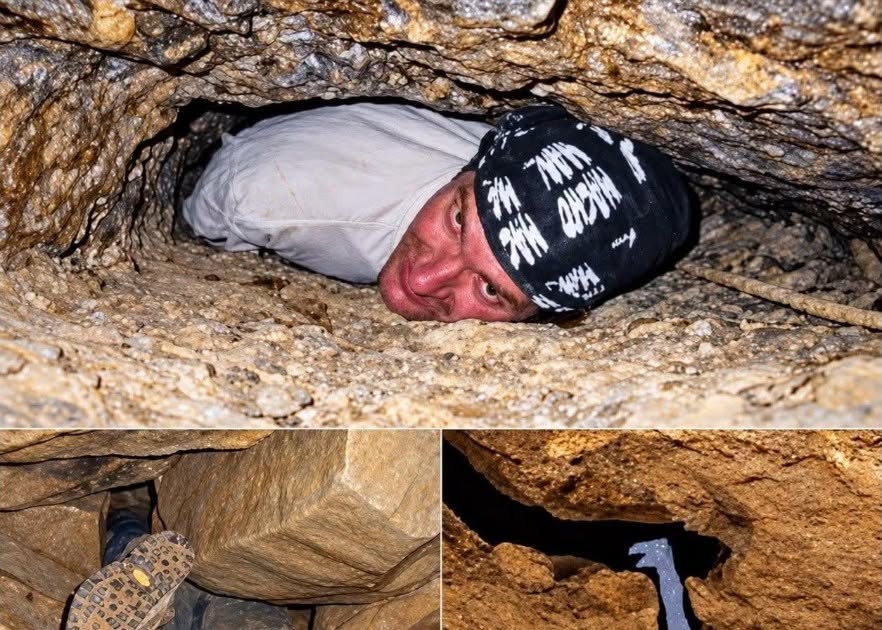
A peaceful Saturday morning hike took an unexpected turn when a man walking along a remote trail noticed someone lying near a steep ravine. What began as an ordinary walk quickly became a situation requiring careful decisions, emergency assistance, and a coordinated rescue effort.
The hiker, identified in this account as Daniel, was familiar with the route. He regularly walked through the surrounding hills, passing tall pine trees, a small wooden bridge, and a rocky overlook. The trail offered a welcome escape from the demands of everyday life, and he expected that morning to be no different from any other.
But one unusual sight made him stop.
An Unexpected Discovery on a Familiar Trail
As Daniel approached a steep section of the path, he noticed a shape on the ground. At first, he wondered whether it was an abandoned backpack or a pile of clothing. When he realized it was a person, he looked more closely and saw that a man appeared to need help.
The surrounding terrain was uneven, with a steep slope and loose rocks nearby. Daniel understood that rushing toward the man without assessing the situation could put both of them at risk.
Instead, he contacted emergency services and explained where he was. He described nearby landmarks to help responders identify the location and reach the scene as efficiently as possible.
While waiting, Daniel spoke calmly to the man from a safe position. The man appeared weak and asked for water, but Daniel avoided making assumptions about his condition or attempting to move him. Without knowing the extent of the man’s injuries, waiting for trained responders was the more cautious decision.
The minutes felt long as Daniel remained nearby and watched for signs that the rescue team had arrived.
Rescuers Assess the Difficult Terrain
When emergency responders reached the area, they faced a challenging environment. The steep slope, scattered rocks, and narrow sections of the trail made it difficult to reach the man safely.
Rather than rushing into the rescue, the team first assessed the terrain and planned its approach. Specialized equipment, including ropes and harnesses where appropriate, was prepared and checked before the operation continued.
Each team member had a role. Some focused on access and equipment, while others assessed the man’s condition and monitored the surroundings. Clear communication helped coordinate the work and reduce unnecessary risks.
Then the weather began to deteriorate.
Clouds gathered, the wind strengthened, and rain made the ground more slippery. Conditions that were already difficult became more demanding, forcing the team to reassess its approach.
Although a pause could add time to the operation, the rescuers needed to consider the safety of everyone involved. They reviewed their equipment, adjusted their positions, and continued only when the next steps could be carried out safely.
Eventually, the team secured the man and began moving him toward a safer area. Progress was gradual, with the route and equipment checked as the rescuers advanced.
Medical Care After the Rescue
After a lengthy effort, the rescue team reached a safer section of the trail and arranged for the man to receive medical evaluation.
According to the account, he was experiencing significant exhaustion and dehydration and required attention for injuries associated with the incident. Medical professionals could then assess his condition and determine what treatment was necessary.
The exact circumstances that led the man to the ravine are not established in the account. However, the rescue illustrates how a combination of difficult terrain, changing weather, and a person’s physical condition can turn an outdoor outing into an emergency.
It also shows why a successful rescue often depends on many careful decisions rather than one dramatic action. Assessing hazards, preparing equipment, communicating clearly, and adapting to changing conditions all help responders manage difficult situations.
Why Daniel’s Decision Made a Difference
Daniel did not have to be a professional rescuer to play a useful role. His most important contribution was recognizing that something appeared wrong and contacting the people equipped to respond.
When someone encounters a person who may be injured outdoors, the instinct to help immediately is understandable. However, approaching a steep slope, unstable ground, fast-moving water, or another hazardous area without training can create additional danger.
A safer response generally begins with assessing the surroundings from a secure position and contacting local emergency services. Callers should provide the location, nearby landmarks, the person’s apparent condition, and any environmental hazards they can observe.
If it is safe to remain nearby, speaking calmly may help reassure the person while assistance is on the way. Follow the emergency dispatcher’s instructions, and do not attempt to move someone who may have a serious injury unless an immediate danger makes movement necessary or trained professionals direct you to do so.
Daniel’s actions demonstrate an important principle: helping someone does not always mean attempting the rescue yourself. Sometimes the most effective response is to recognize the emergency, communicate useful information, and allow trained responders to manage the dangerous part of the operation.
Practical Outdoor Safety Tips Every Hiker Should Know
Unexpected situations can arise even on familiar trails. A few simple preparations can make outdoor activities safer and help hikers respond more effectively if something goes wrong.
1. Tell someone your plans. Share your intended route, expected return time, and any important details about your outing. Let that person know if your plans change.
2. Check the weather forecast. Conditions can change quickly in hills and mountainous areas. Rain, strong winds, fog, and sudden temperature changes may affect visibility, footing, and travel time.
3. Carry enough water. Bring sufficient drinking water for the route, taking the distance, conditions, and expected duration into account.
4. Keep your phone charged. A fully charged phone can help you contact emergency services when a signal is available. A portable power bank may be useful on longer outings, although it cannot guarantee connectivity in remote areas.
5. Stay on established trails. Marked routes can reduce the likelihood of getting lost or entering unfamiliar terrain. Pay attention to warning signs and avoid unstable slopes or restricted areas.
6. Bring suitable supplies. Depending on the hike, useful items may include a basic first-aid kit, a map, navigation equipment, a flashlight, weather-appropriate clothing, and emergency essentials.
7. Know when to turn back. If the weather worsens, the trail becomes unsafe, or someone in the group is struggling, reconsidering the route may be the safest choice.
These precautions cannot prevent every emergency, but they can help hikers make informed decisions and prepare for unexpected changes.
Clear Communication Can Help Emergency Responders
When contacting emergency services, accurate information can be especially valuable in remote areas where an address may not be available.
If possible, provide the trail name, the nearest trail entrance, recognizable landmarks, and the direction from which you approached. Explain what you can observe about the person’s condition without guessing at a diagnosis.
Mention hazards such as steep drops, unstable ground, poor visibility, or worsening weather. If you are unsure of the precise location, say so and describe the surroundings as clearly as possible.
Remain available to answer questions if it is safe to do so, and follow the dispatcher’s guidance. Avoid entering hazardous terrain simply to obtain a better view or get closer to the person.
In Daniel’s situation, describing familiar landmarks helped communicate where the man had been found. That simple information formed an important link between the initial discovery and the arrival of professional assistance.
A Reminder That Small Decisions Matter
For Daniel, the morning began as a routine walk through a familiar landscape. He had no reason to expect that he would encounter someone in need of assistance.
Yet when he noticed something unusual, he stopped and took a closer look. Rather than ignoring the situation or rushing into a potentially dangerous area, he contacted emergency services and remained attentive while waiting for help.
The rescue team then used its training, equipment, and coordination to manage the challenging terrain and bring the man to a place where he could receive medical care.
The account offers a practical lesson for anyone who enjoys spending time outdoors: stay aware of your surroundings, prepare for changing conditions, and recognize the limits of what you can safely do.
A person who notices an emergency may not have the skills to carry out a rescue. But by making a call, sharing clear information, and following professional instructions, that person can still play a meaningful role.
Sometimes, the first step toward helping someone is simply noticing that something is wrong—and choosing not to ignore it.