
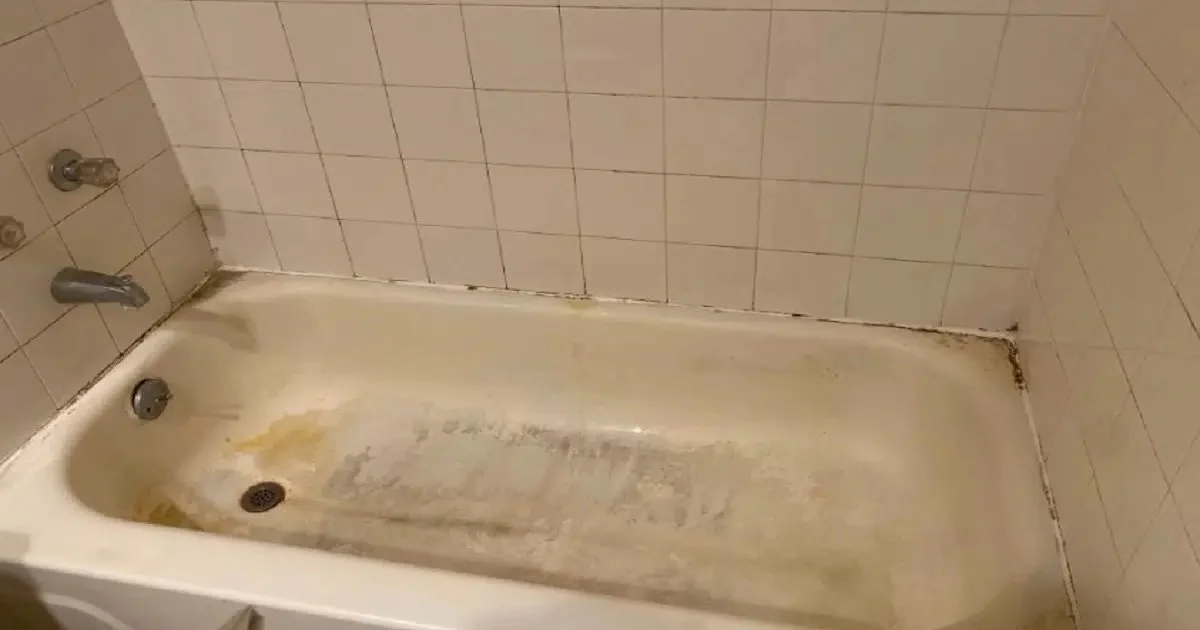
Cleaning the bathtub or shower is one of those household chores that’s easy to postpone.
At first, everything may look perfectly fine. But every shower leaves behind soap residue, body oils, hair, minerals, and moisture. Over time, that buildup can make the surface look dull and create an environment where mildew can develop.
So how often should you actually clean your bathtub or shower?
For most households, a quick clean once a week is a good starting point, with deeper cleaning done as needed.

Why Regular Shower Cleaning Matters
Your shower is constantly exposed to water and moisture.
Soap and shampoo can leave a film on the walls and floor, while minerals in hard water can create white or cloudy deposits. If these aren’t removed regularly, they can become much more difficult to clean later.
Regular cleaning prevents small amounts of buildup from turning into a major scrubbing job.
How Often Should You Clean Your Shower?
Once a Week
For most people, weekly cleaning is enough for a thorough routine clean.
Focus on:
- Shower walls
- Tub or shower floor
- Fixtures
- Glass doors
- Corners
- Drain area


If several people use the same bathroom every day, you may need to clean more frequently.
What About Daily Cleaning?
You don’t need to perform a full deep clean every day.
Instead, a few seconds of maintenance after each shower can make weekly cleaning much easier.
For example, use a squeegee to remove excess water from glass and walls.
You can also leave the shower door or curtain open afterward to encourage the area to dry.


These small habits can help reduce water spots and moisture buildup.
Clean the Bathtub More Often If It’s Used Frequently
If you take baths regularly, the tub can accumulate body oils, soap residue, and other buildup.
A quick rinse after each bath can help.
Then give the tub a proper cleaning at least once a week.
Pay special attention to the area around the drain and the corners where residue can collect.
Don’t Forget the Shower Curtain
Shower curtains are easy to overlook.
Because they remain damp for long periods, they can develop mildew or an unpleasant smell.


Check the care label and wash the curtain or liner according to the manufacturer’s instructions.
Allow it to spread out after showering instead of leaving it bunched together while wet.
Shower Doors Need Regular Attention
Glass shower doors can quickly develop water spots and mineral deposits.
If you have hard water, you may notice this especially quickly.
A quick wipe or squeegee after each shower can help prevent deposits from drying onto the glass.
For deeper cleaning, use a product that’s appropriate for your particular shower-door material.


What About Mold and Mildew?
If you notice small areas of mildew, deal with them promptly rather than letting them spread.
Clean the affected area with an appropriate bathroom cleaner and improve ventilation so the surface can dry more quickly.
If you repeatedly see mold or mildew returning, look for the underlying moisture problem.
A bathroom that stays damp for long periods is more likely to develop recurring buildup.
Ventilation Makes a Big Difference
One of the simplest things you can do is improve airflow.
Turn on the bathroom exhaust fan during and after a shower, when appropriate, and allow it to run long enough to remove excess humidity.
If there’s a window, opening it when practical can also help.


The goal is simple:
Less moisture means less opportunity for mildew and buildup.
A Simple Weekly Cleaning Routine
When it’s time for your weekly clean, work from top to bottom.
1. Remove Bottles and Items
Take shampoo, conditioner, soap, razors, and other products out of the shower.
2. Rinse the Surfaces
Use warm water to loosen surface residue.
3. Apply Your Cleaner
Choose a bathroom cleaner suitable for the material you’re cleaning.
4. Scrub Problem Areas
Concentrate on corners, grout lines, around fixtures, and areas with visible soap buildup.
5. Rinse Thoroughly
Remove the cleaner and loosened residue.
6. Dry the Surfaces
Use a towel or squeegee to remove excess water.


When Should You Deep Clean?
A deeper cleaning may be necessary when you notice:
- Heavy soap scum
- Hard-water deposits
- Discolored grout
- Persistent odors
- Mildew
- Slippery buildup on the tub or shower floor
Don’t wait for your regular schedule if the shower clearly needs attention.
The Best Cleaning Schedule
A simple schedule can look like this:
After every shower:
Squeegee or wipe down wet surfaces and leave the area ventilated.
Once a week:
Clean the tub or shower thoroughly.
Every few weeks:
Wash or clean the shower curtain and inspect corners, grout, and fixtures.
As needed:
Deal with hard-water deposits, mildew, or stubborn buildup before they become difficult to remove.
Final Thoughts
You don’t need to scrub your bathtub or shower every day.
For most homes, a thorough weekly cleaning combined with a few seconds of maintenance after each shower is a practical routine.
Wipe away excess water, keep the bathroom ventilated, clean soap residue regularly, and don’t ignore corners or areas where moisture tends to collect.


The more consistently you deal with small amounts of buildup, the less likely you’ll be stuck with a difficult deep-cleaning job later.
A few minutes of regular maintenance can keep your bathtub or shower cleaner, fresher, and much easier to manage.