
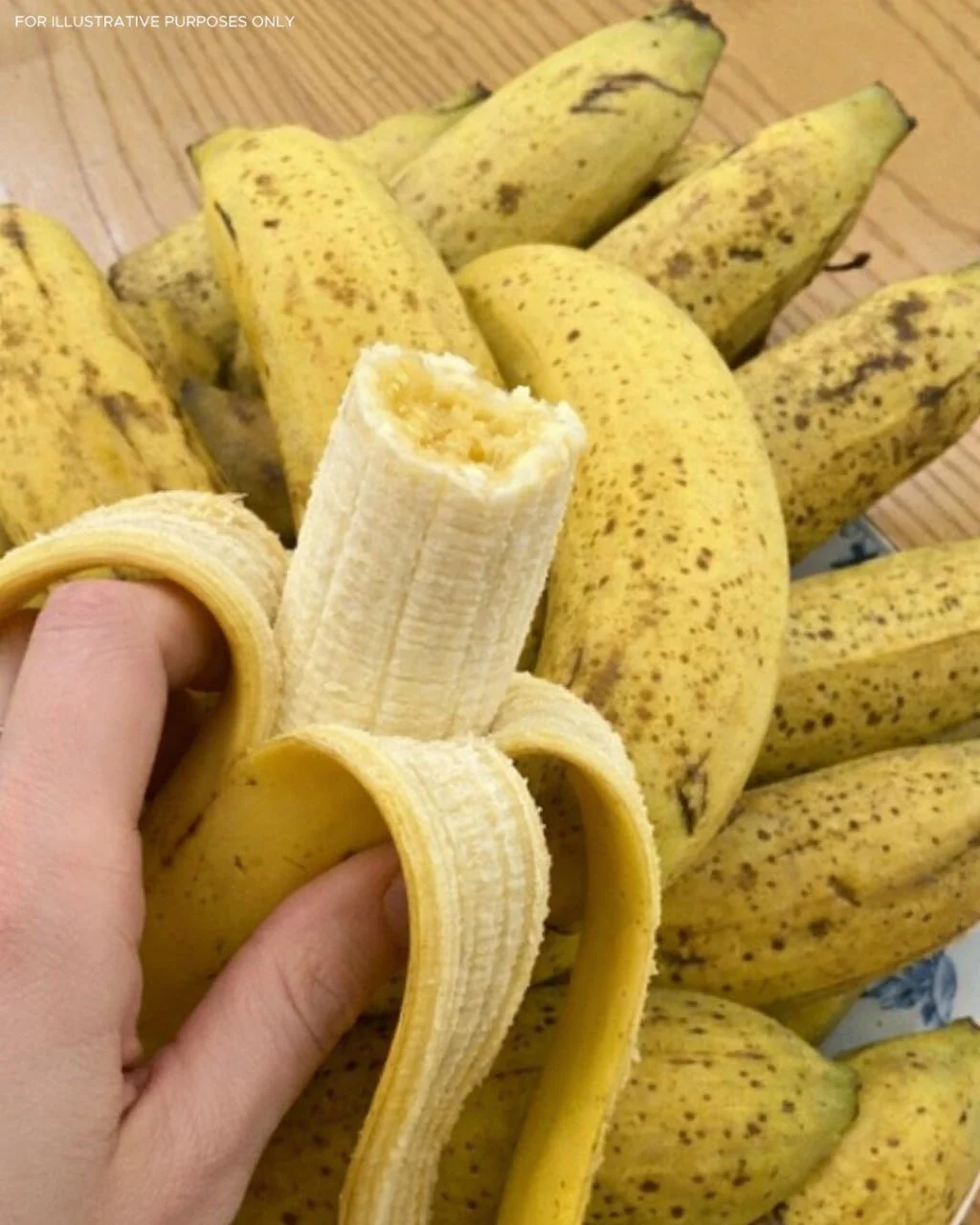
A banana is one of those foods that is so familiar that it’s easy to overlook. But behind its simple appearance is a useful combination of potassium, carbohydrates, fiber and other nutrients.
For adults over 50, that can make a banana a convenient part of a balanced diet. But it isn’t a miracle food, and eating one every day isn’t guaranteed to improve your health. The real benefit comes from the nutrients it contributes to an overall healthy eating pattern.


Why Bananas Can Be Useful After 50
Getting older doesn’t mean you need a special “anti-aging” food.
What becomes increasingly important is maintaining a diet that provides enough fiber, vitamins, minerals and other nutrients without relying heavily on highly processed foods.
Bananas can fit easily into that approach because they’re inexpensive, portable and require almost no preparation.
And one nutrient stands out in particular: potassium.
Potassium and Healthy Blood Pressure
A medium banana provides roughly 450 milligrams of potassium, according to the American Heart Association. Potassium helps counter some of sodium’s effects and supports normal blood-vessel function.
That doesn’t mean eating a banana will treat high blood pressure.
Instead, think of it as one small contribution to a larger dietary pattern.
Eating potassium-rich foods while reducing excessive sodium is part of the type of eating pattern used to support healthy blood pressure. Other useful potassium sources include beans, potatoes, leafy greens, yogurt and other fruits and vegetables.


Your Heart Needs Potassium Too
Potassium isn’t only relevant to blood pressure.
It’s an essential electrolyte involved in nerve signaling and muscle function, including the normal activity of the heart.
That’s one reason getting potassium from food can be valuable.
But more is not always better. People with kidney problems or those taking certain medications may need to limit potassium or monitor their levels. The American Heart Association specifically advises people with kidney disease or conditions affecting potassium handling to discuss potassium intake with a healthcare professional.
Bananas Can Add Fiber to Your Diet
A banana also contributes dietary fiber.
Fiber is important for digestive health and can be part of a diet that supports regular bowel movements. For someone whose diet is low in fruits, vegetables and whole grains, adding a banana can be an easy way to increase overall fiber intake.
But don’t expect a banana alone to solve persistent constipation.
Adequate fluids, regular physical activity and a generally fiber-rich diet matter too.


A Convenient Source of Carbohydrates
Bananas naturally contain carbohydrates, making them an easy source of energy.
That’s particularly convenient when you need a quick snack before a walk, between meals or alongside breakfast.
For a more filling snack, combine the banana with a source of protein or healthy fat.
Try:
- Banana with plain yogurt
- Banana with a small handful of nuts
- Banana sliced over oatmeal
- Banana with natural peanut or almond butter
- Banana blended into a yogurt smoothie
This turns a simple piece of fruit into a more balanced snack.
What About Muscle Cramps?
You’ll often see bananas promoted as a solution for leg cramps because of their potassium content.
The reality is more complicated.
Potassium is important for normal muscle function, but a banana should not be presented as a proven treatment for recurring muscle cramps. Cramps can have many causes, and simply eating more bananas isn’t guaranteed to fix them.
If cramps are frequent, severe or new, it’s better to discuss them with a healthcare professional rather than assuming you need more potassium.
Does Eating One Banana Every Day Prevent Disease?
No.
This is where many online nutrition articles go too far.
A banana can contribute useful nutrients to your diet, but there is no good reason to claim that eating one every day will prevent heart disease, reverse aging, control blood sugar or eliminate health problems.
The healthier way to look at it is much simpler:
A banana is one nutritious food that can contribute to a healthy overall diet.
That’s already valuable without turning it into a miracle cure.


When You Should Be Careful With Bananas
For most healthy people, bananas can easily fit into a balanced diet.
But potassium deserves special attention if you have certain medical conditions.
People with chronic kidney disease, particularly those with reduced ability to remove potassium, may need individualized dietary advice. Some medications can also affect potassium levels.
So if you’ve been told to restrict potassium, don’t start eating extra bananas simply because they’re considered healthy.
Your appropriate potassium intake depends on your health and medications.
How to Make a Banana Part of Your Routine
You don’t have to eat exactly one banana every morning.
Instead, use it as an easy replacement for less nutritious snacks.
For example:
At breakfast: Slice it over oatmeal or whole-grain cereal.
Between meals: Pair it with yogurt or nuts.
Before a walk: Have a banana when you want something light and convenient.
As a dessert: Slice it over plain yogurt with cinnamon instead of reaching for a highly processed sweet.
The goal isn’t to build your diet around bananas.
It’s to make healthy choices easier.
The Bigger Picture Matters More Than One Fruit
Healthy aging isn’t created by a single food.
A banana can provide potassium and other nutrients, but your overall eating pattern matters much more. A varied diet containing fruits, vegetables, whole grains, legumes, nuts, seeds and appropriate protein sources provides a much broader range of nutrients.
And lifestyle matters too: regular movement, adequate sleep, not smoking and managing conditions such as high blood pressure can all be important parts of healthy aging.


The Bottom Line
If you’re over 50 and enjoy bananas, there’s no need to overlook this simple fruit just because it’s ordinary.
A medium banana provides around 450 mg of potassium and can be an easy way to add fruit and fiber to your daily eating pattern. Potassium-rich foods can support healthy blood pressure as part of an overall heart-healthy diet.
But don’t think of one banana as a treatment or guarantee of better health.
The real advantage is consistency: replacing less nutritious snacks with simple, nutrient-rich foods and building a balanced diet you can actually maintain.
And if you have kidney disease or take medication that affects potassium, check with your healthcare professional before deliberately increasing your potassium intake.