
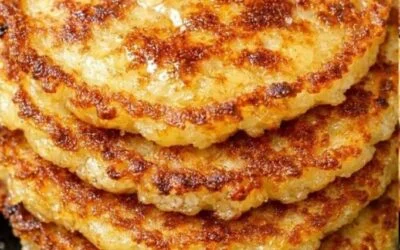
There’s something wonderfully simple about a good hoecake: a crisp, lightly browned outside, a tender cornmeal center, and just enough buttery flavor to make you reach for another one.
These Poor Man’s Hoecakes use inexpensive pantry staples—cornmeal, flour, buttermilk, an egg, baking powder, and butter—to make a batch of golden skillet cakes without complicated preparation. They can be served sweet with butter and honey or maple syrup, or kept savory with green onions and fresh herbs.
The recipe on the original page lists cornmeal, all-purpose flour, baking powder, salt, buttermilk, egg, melted butter, and optional honey, maple syrup, green onions, and herbs.


Hoecakes are simple Southern-style cornmeal cakes cooked on a hot skillet or griddle. They’re related to other cornmeal flatbreads and johnny cakes, but recipes vary considerably from one region and household to another. Traditional versions can be very simple, while modern recipes often include flour, eggs, buttermilk, and a little leavening for a softer center.
What makes them especially appealing is their versatility. A warm hoecake can stand in for cornbread alongside a savory dinner, but it can also become a simple breakfast when served with butter and honey.
Why You’ll Love These Hoecakes
- Inexpensive everyday ingredients
- Quick to mix and cook
- Crisp edges with a tender center
- No oven required
- Easy to make sweet or savory
- Great alongside beans, greens, chili, or fried chicken
- Delicious with butter and honey
- Easy enough for a weekday breakfast
Recipe Information
Prep Time: 10 minutes
Cook Time: About 15 minutes
Total Time: About 25 minutes
Makes: Approximately 8–10 hoecakes, depending on size
Ingredients
For the Hoecakes
- 1 cup cornmeal, preferably stone-ground
- ½ cup all-purpose flour
- 1 teaspoon baking powder
- ½ teaspoon salt
- ¾ cup buttermilk
- 1 large egg
- 2 tablespoons unsalted butter, melted
For Cooking
- Vegetable oil, butter, or a combination of both
Optional Toppings and Add-Ins
- Honey
- Maple syrup
- Sliced green onions
- Fresh parsley
- Fresh chives
- Additional butter for serving
The ingredient proportions above follow the source recipe; the cooking method below fills in the practical steps needed to turn that batter into evenly cooked hoecakes.
How to Make Poor Man’s Hoecakes
1. Prepare the Batter
In a medium mixing bowl, whisk together the cornmeal, all-purpose flour, baking powder, and salt.
Mix well so the baking powder and salt are distributed throughout the dry ingredients.
In a separate bowl or measuring cup, whisk together the buttermilk and egg.
Add the melted butter and stir until combined.
Pour the wet mixture into the dry ingredients.


Stir the batter gently until there are no large pockets of dry flour or cornmeal.
Don’t try to make it completely smooth.
A few small lumps are fine, and overmixing can make the cakes less tender.
The finished batter should be thick enough to spoon onto a skillet but loose enough to spread slightly on its own.
If your cornmeal is particularly coarse or absorbent and the batter looks unusually stiff, add a small splash of buttermilk rather than adding a large amount all at once.
3. Let the Batter Rest Briefly
Give the batter about 5 minutes to rest before cooking.
This short pause allows the cornmeal to absorb some of the buttermilk and helps the batter become more cohesive.
Don’t let it sit for a long time, though. You want a workable batter rather than one that becomes excessively thick.
4. Heat the Skillet
Place a heavy skillet or griddle over medium heat.
Cast iron works particularly well because it holds heat steadily, but a regular heavy-bottomed skillet will also work.
Add a thin layer of vegetable oil, or use a combination of oil and butter.
Wait until the cooking surface is hot before adding the batter.
You can test it by dropping a tiny amount of batter onto the skillet. It should begin sizzling gently rather than sitting silently in the pan.
5. Cook the Hoecakes
Spoon about 2–3 tablespoons of batter onto the hot skillet for each small hoecake.
Leave space between them so you can turn them easily.
Don’t press the batter flat immediately. Let it spread naturally, then gently shape it with the back of your spoon if necessary.
Cook until the edges look set and you see small bubbles appearing across the surface.
The underside should be golden brown.


6. Flip Carefully
Slide a thin spatula underneath each hoecake and turn it over.
The second side usually cooks a little faster.
Continue cooking until the center is set and the second side is golden brown.
If the outside is browning very quickly while the center remains soft, lower the heat slightly.
The goal is a deep golden exterior with a cooked, tender middle, not a dark crust surrounding raw batter.
7. Keep Them Warm
Transfer finished hoecakes to a wire rack or warm plate.
If you’re cooking a large batch, keep the finished cakes warm in a low oven while you cook the rest.
Avoid stacking them tightly while they’re piping hot, because trapped steam can soften the crisp edges.
8. Serve Immediately
Serve the hoecakes while they’re warm.
For a classic sweet version, add butter and drizzle with honey or maple syrup.
For a savory version, sprinkle them with sliced green onions or fresh herbs and serve alongside your favorite Southern dishes.
The Secret to Crisp Edges
The texture depends on three things: batter consistency, skillet temperature, and the amount of cooking fat.
If the batter is too thick, the centers can take too long to cook.
If the skillet isn’t hot enough, the cakes may absorb more fat and become heavy.
If the heat is too high, the outside can brown before the center has finished cooking.
A moderate, steady heat gives the hoecakes enough time to develop a golden crust while the center cooks through.
Traditional and modern hoecake recipes commonly cook small portions of batter on a hot, lightly greased griddle or skillet until browned on both sides.
Butter, Oil, or Bacon Grease?
You have several good choices.
Butter
Butter gives the hoecakes a rich, familiar flavor and works especially well when serving them with honey.
The downside is that butter can brown quickly over higher heat.
Vegetable Oil
Neutral oil makes it easier to maintain a clean, crisp exterior without adding much additional flavor.
Butter and Oil Together
This is a particularly good compromise. The oil helps with frying while the butter contributes flavor.
Bacon Grease
For a savory Southern-style version, bacon grease can add a distinctly smoky, savory character. Use it only if that flavor fits the meal you’re preparing.
Sweet or Savory?
That’s one of the best things about hoecakes: the same basic batter can go in different directions.
Sweet Hoecakes
Serve warm with:
- Butter
- Honey
- Maple syrup
- Fresh berries
- Sliced peaches
- Fruit preserves
A small amount of honey or maple syrup can also be added to the batter if you prefer a sweeter cake.
Savory Hoecakes
Try adding:
- Green onions
- Chives
- Parsley
- Black pepper
- A little shredded cheddar
- Diced jalapeño
For a savory dinner, keep the batter only lightly seasoned and let the main dish provide most of the flavor.
What to Serve With Hoecakes
Hoecakes are especially good with hearty Southern-style meals.
Serve them alongside:
- Fried chicken
- Collard greens
- Pinto beans
- Black-eyed peas
- Chili
- Barbecue
- Pulled pork
- Country ham
- Fried eggs
- Sausage gravy
- Vegetable soups
They also make a surprisingly satisfying breakfast with scrambled eggs and bacon.
Common Mistakes to Avoid
Making the Batter Too Thick
Cornmeal absorbs liquid as it sits. If your batter becomes stiff, the finished hoecakes may be dense.
Add a small amount of buttermilk until the batter reaches a spoonable consistency.
Using Excessive Heat
High heat can make the outside brown too quickly.
Medium heat gives the center time to cook.
Making Them Too Large
Large hoecakes take longer to cook through.
Smaller cakes are easier to flip and tend to develop a better balance of crisp exterior and tender center.
Flipping Too Early
Wait until the edges have begun to set and bubbles appear on top.
If you flip before the first side has developed enough structure, the cake can break apart.
Pressing Them With the Spatula
There’s no need to flatten the hoecakes while they cook.
Pressing them can make the centers thinner and denser.
Overmixing
Once the wet and dry ingredients are combined, stop mixing.
A slightly lumpy batter is preferable to one that’s been worked until completely smooth.
How to Make Them Extra Crisp
If you prefer a crunchier exterior, use a well-heated skillet and a thin layer of cooking oil.
Don’t overcrowd the pan.
Give each hoecake enough room to brown rather than allowing neighboring cakes to trap steam between them.
You can also cook them slightly smaller and thinner, which increases the proportion of crisp surface to soft interior.


Can You Make the Batter Ahead?
Yes, but fresh batter generally gives the best texture.
If you need to prepare it ahead, cover the batter and refrigerate it briefly. Keep in mind that the cornmeal will continue absorbing liquid, so you may need a small splash of buttermilk before cooking.
For the best results, make only as much batter as you expect to cook.
How to Store Leftover Hoecakes
Let the hoecakes cool before storing them.
Place them in an airtight container and refrigerate.
To reheat, use a skillet, toaster oven, or oven so the exterior has a chance to crisp again.
Microwaving is quick, but it tends to soften the crust.
You can also freeze cooled hoecakes in a freezer-safe container with parchment between the layers. Reheat them directly from frozen in a toaster oven or oven until warmed through.
Frequently Asked Questions
Are hoecakes the same as pancakes?
Not exactly. Hoecakes are traditionally more cornmeal-forward and have a characteristic crisp, slightly coarse texture. Modern recipes vary, and some versions contain enough flour and leavening to resemble pancakes more closely.
Why are my hoecakes falling apart?
The batter may be too loose, or you may be trying to flip them before the first side has set. Let the edges become firm and bubbles appear before turning them.
Can I use regular milk instead of buttermilk?
Yes. Buttermilk provides acidity and a pleasant tang, but regular milk can work. If you want a closer substitute, adding a little vinegar or lemon juice to milk is a common way to create a quick buttermilk-style mixture.
Can I use white cornmeal?
Absolutely. White and yellow cornmeal can both work. The flavor and color will differ slightly, but the basic cooking method remains the same.
Can I make them without flour?
Yes, but you’ll need a different balance of ingredients. Flour helps provide structure in this particular version, so simply removing it without adjusting the liquid and other ingredients can produce fragile cakes.
Why are my hoecakes greasy?
The skillet may not have been hot enough when the batter was added, or too much oil may have been used. Use a thin layer of cooking fat and maintain steady medium heat.
Can I make them sweeter?
Yes. Add a little honey, maple syrup, or sugar to the batter, or simply serve them with honey after cooking.
Final Thoughts
Poor Man’s Hoecakes are proof that inexpensive ingredients can make something genuinely satisfying. Cornmeal gives them their unmistakable Southern character, while buttermilk, egg, butter, and a little flour create a tender center that contrasts with the golden skillet crust.
For the best results, keep the batter thick but spoonable, cook over steady medium heat, avoid overcrowding the skillet, and wait for the edges to set before flipping.
Serve them hot with butter and honey for breakfast, or put them beside fried chicken, beans, greens, or barbecue for a comforting Southern-style meal.







