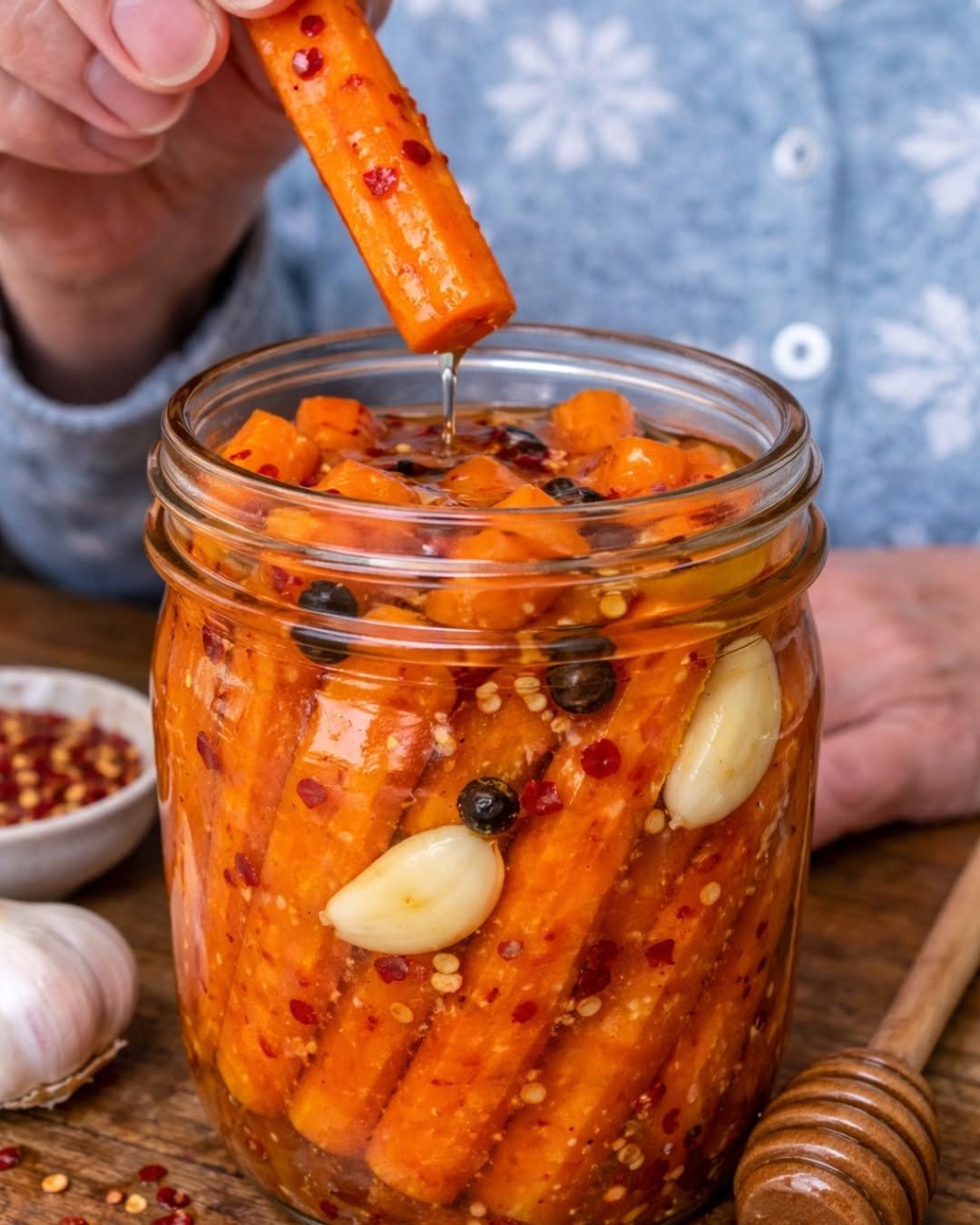

If you’re looking for a simple way to add bold flavor, vibrant color, and a satisfying crunch to your favorite meals, these Quick Pickled Red Onions are a must-try. Made with fresh red onions, apple cider vinegar, water, sugar, and salt, this easy refrigerator pickle recipe transforms an everyday ingredient into a delicious sweet-and-tangy condiment.
One of the best things about homemade pickled red onions is how quickly they come together. With just 15 minutes of preparation and a few minutes to heat the brine, you can make a flavorful topping that adds brightness to burgers, tacos, sandwiches, salads, and grain bowls.
Unlike traditional canning recipes, these quick pickled onions require no special canning equipment. Simply prepare the vinegar brine, pour it over thinly sliced onions, allow the mixture to cool, and refrigerate.
Whether you’re preparing meals for the week or looking for an easy homemade condiment, this recipe is an excellent addition to your kitchen.
Why You’ll Love These Quick Pickled Red Onions
- Quick and easy: Ready with minimal preparation and simple stovetop cooking.
- Sweet and tangy flavor: Apple cider vinegar provides acidity, while a little sugar balances the sharpness.
- Beautiful color: Red onions develop a vibrant pink or magenta appearance as they absorb the pickling liquid.
- Versatile topping: Perfect for tacos, burgers, sandwiches, salads, and more.
- Customizable ingredients: Add garlic, mustard seeds, peppercorns, dill, or chili flakes.
- Make-ahead friendly: Prepare a jar in advance and keep it refrigerated for convenient meals.
Quick Pickled Red Onions Recipe Details
| Category | Details |
|---|---|
| Prep Time | 15 minutes |
| Cook Time | 5 minutes |
| Cooling and Steeping Time | 30 minutes |
| Total Time | 50 minutes |
| Yield | 1 pint jar |
| Serving Size | Approximately 2 tablespoons |
| Difficulty | Beginner |
| Method | Stovetop brine and refrigerator pickling |
Ingredients for Quick Pickled Red Onions
This recipe uses affordable, everyday ingredients that combine to create a balanced sweet-and-sour flavor.
Main Ingredients
- 1 large red onion (approximately 300 g or 10.5 oz), thinly sliced into rings or half-moons
- ¾ cup (180 ml) water
- ¾ cup (180 ml) apple cider vinegar
- 1½ tablespoons granulated sugar
- 1½ teaspoons fine sea salt or kosher salt
You can also use distilled white vinegar, rice vinegar, or red wine vinegar for slightly different flavor profiles. When substituting vinegar, use one with 5% acidity.
Optional Flavor Additions
These ingredients are optional but can make your homemade pickled onions even more flavorful:
- 2 garlic cloves, peeled and lightly crushed
- 1 teaspoon whole black peppercorns
- ½ teaspoon mustard seeds or coriander seeds
- 1 small dried red chili or ¼ teaspoon crushed red pepper flakes
- 1 bay leaf
- 1 sprig fresh dill or thyme
Equipment Needed
Before starting, gather the following kitchen tools:
- One clean pint-sized glass Mason jar with a lid
- Sharp chef’s knife and cutting board
- Small saucepan
- Measuring cups and spoons
- Heat-resistant funnel or kitchen tongs
- Clean spoon for pressing the onions into the brine
How to Make Quick Pickled Red Onions
Follow these easy instructions to prepare crisp, colorful refrigerator pickled onions at home.
Step 1: Prepare the Jar and Seasonings
Start by washing the glass jar thoroughly with warm, soapy water. Rinse it well and allow it to dry.
Place your selected flavor additions at the bottom of the jar. Garlic, black peppercorns, mustard seeds, chili flakes, and a bay leaf are excellent choices for adding extra aroma and flavor.
Step 2: Thinly Slice the Red Onion
Remove the outer papery skin from the red onion.
Cut the onion in half from top to bottom, then slice each half into thin half-moons approximately ⅛ inch thick.
You can also cut the onion into thin rings if you prefer that shape.
For the best results, aim for evenly sized slices. Thin onions absorb the pickling brine more quickly and develop a more consistent flavor.
Step 3: Pack the Jar
Transfer the sliced red onions into the prepared glass jar.
Gently press them down with a clean spoon or your fingers to make room for the pickling liquid.
Leave approximately ½ inch of space at the top of the jar. Avoid packing the onions so tightly that the brine cannot circulate around them.
Step 4: Prepare the Pickling Brine
In a small saucepan, combine the water, apple cider vinegar, sugar, and salt.
Place the saucepan over medium heat and stir until the sugar and salt dissolve completely.
Bring the mixture to a gentle simmer for approximately 3–5 minutes, then remove it from the heat.
Avoid boiling the brine vigorously or reducing the liquid unnecessarily.
Step 5: Pour the Warm Brine Over the Onions
Carefully pour the warm vinegar mixture over the sliced red onions.
Make sure all the onion slices are completely submerged in the liquid.
Use a clean spoon or butter knife to gently press the onions down and release any trapped air bubbles.
As the onions absorb the acidic brine, their natural purple color gradually changes into a beautiful bright pink or magenta shade.
Step 6: Cool and Refrigerate
Allow the jar to cool briefly at room temperature, then close it with a clean lid and transfer it to the refrigerator.
The onions can be enjoyed after the initial 30-minute preparation and cooling period, although chilling for another 1–2 hours helps the flavors develop.
For an even more balanced taste, prepare them several hours before serving.
How Long Do Quick Pickled Red Onions Last?
Proper storage is important for maintaining the quality and freshness of homemade refrigerator pickles.
Keep the onions in a clean, airtight glass jar in the refrigerator at 40°F (4°C) or below.
For the best flavor and texture, enjoy them within 1–2 weeks. As they sit in the brine, the onions gradually become softer and their flavor becomes more pronounced.
Although some refrigerator pickle recipes suggest longer storage periods, one month should not be treated as a guaranteed safe storage time for this particular recipe.
These are refrigerator pickles, not shelf-stable canned onions. Never store the finished jar at room temperature for extended periods.
Tips for Making the Best Pickled Red Onions
A few simple techniques can help you achieve the flavor and texture you prefer.
Slice the onions evenly: Thin, uniform slices absorb the vinegar brine more consistently and are easier to use as sandwich and taco toppings.
Use fresh red onions: Choose firm onions without soft spots or signs of spoilage for the best results.
Adjust the sweetness: If you prefer a sweeter pickle, slightly increase the sugar. For a sharper vinegar flavor, reduce the sweetness modestly.
Choose your favorite vinegar: Apple cider vinegar offers a mild fruity flavor, while white vinegar creates a sharper, more traditional pickle taste.
Avoid overcooking the brine: Heating the vinegar mixture just long enough to dissolve the sugar and salt helps preserve the intended balance of flavors.
Keep the onions submerged: Make sure the onion slices remain covered with brine while refrigerated.
Allow time for flavor development: Although they are quick pickles, a few additional hours in the refrigerator make a noticeable difference.
Easy Variations to Try
One of the best features of homemade quick pickled onions is how easily you can customize the recipe.
1. Spicy Pickled Red Onions
For a little extra heat, add sliced jalapeños or crushed red pepper flakes to the jar before pouring in the brine.
This variation pairs particularly well with tacos, burgers, grilled vegetables, and sandwiches.
2. Garlic Pickled Red Onions
Add two lightly crushed garlic cloves to the jar for a deeper savory flavor.
Garlic complements the acidity of the vinegar and works beautifully with salads and roasted vegetables.
3. Honey Pickled Red Onions
Replace the granulated sugar with honey for a slightly different sweetness and a richer flavor.
Stir the honey into the warm brine until fully dissolved.
4. Herb-Infused Pickled Red Onions
Add fresh dill, thyme, or a bay leaf to the jar before adding the brine.
The herbs provide a fragrant finish that makes these pickles especially enjoyable alongside cheese boards and sandwiches.
5. Mustard Seed Pickled Red Onions
Add half a teaspoon of mustard seeds or coriander seeds to the jar.
These spices provide a subtle aromatic quality without overpowering the natural onion flavor.
What to Serve With Pickled Red Onions
Quick pickled red onions are an incredibly versatile condiment. Their bright acidity and crunchy texture can improve many everyday meals.
Here are some delicious ways to serve them:
- Tacos: Add them to chicken, beef, or vegetable tacos for a tangy finishing touch.
- Burgers: Layer them over cheeseburgers with lettuce, tomato, and your favorite sauce.
- Sandwiches: Use them in grilled cheese, chicken sandwiches, wraps, and pulled pork sandwiches.
- Salads: Sprinkle them over green salads, Mediterranean salads, or grain bowls.
- Grain bowls: Combine them with rice, quinoa, roasted vegetables, and fresh herbs.
- Cheese boards: Serve them alongside cheddar, crackers, olives, and other savory snacks.
- Roasted vegetables: Add a spoonful to roasted potatoes, cauliflower, or sweet potatoes.
They are also delicious served with grilled chicken, fish, and other savory main dishes.
Frequently Asked Questions
How Quickly Can You Eat Pickled Red Onions?
Quick pickled red onions can be sampled after the initial cooling and steeping period. However, allowing them to chill for 1–2 additional hours helps the vinegar, salt, and sugar flavors develop more fully.
Why Do Pickled Red Onions Turn Pink?
Red onions contain natural pigments called anthocyanins. These pigments react to acidic ingredients such as vinegar, producing the characteristic bright pink or magenta color associated with pickled red onions.
Can I Use White Vinegar Instead of Apple Cider Vinegar?
Yes. Distilled white vinegar is a suitable alternative when it has 5% acidity. It creates a sharper, cleaner vinegar flavor compared with the slightly fruity taste of apple cider vinegar.
Can I Make Pickled Red Onions Without Sugar?
Yes. You can reduce or omit the added sugar if you prefer a sharper, more acidic flavor. Keep in mind that sugar helps balance the vinegar’s acidity.
Do Pickled Red Onions Need to Be Refrigerated?
Yes. This recipe is designed specifically for refrigerator pickling. The finished onions must be stored in the refrigerator and are not suitable for pantry storage.
Can I Use Yellow or White Onions?
Yes. Yellow and white onions can also be pickled using this method. However, red onions are especially popular because of their vibrant color and attractive appearance.
Nutritional Information
The following nutritional values are estimates per serving of approximately 2 tablespoons (20 grams). Actual amounts may vary depending on the onion size, ingredients, and amount of brine retained.
| Nutrient | Amount Per Serving |
|---|---|
| Calories | 15 kcal |
| Total Fat | 0 g |
| Saturated Fat | 0 g |
| Trans Fat | 0 g |
| Cholesterol | 0 mg |
| Sodium | 180 mg |
| Total Carbohydrates | 3.5 g |
| Dietary Fiber | 0.4 g |
| Total Sugars | 2.5 g |
| Added Sugars | 1.8 g |
| Protein | 0.2 g |
| Vitamin D | 0 mcg |
| Calcium | 8 mg |
| Iron | 0.1 mg |
| Potassium | 35 mg |
Final Thoughts
These Quick Pickled Red Onions are proof that a few simple ingredients can transform an everyday vegetable into something special. With their vibrant pink color, satisfying crunch, and delicious sweet-and-tangy flavor, they make an excellent addition to countless meals.
Whether you’re topping tacos, adding brightness to a burger, preparing a fresh salad, or building a homemade sandwich, this easy refrigerator pickle recipe is a convenient way to bring extra flavor to your table.
Make a jar ahead of time, keep it refrigerated, and enjoy homemade pickled red onions whenever your favorite meals need a flavorful finishing touch.
Important Medical Disclaimer
This article is for general informational and educational purposes only. It is not medical advice and should not be considered a recommendation to use toothpaste and Vaseline as a skin treatment. Always consult a qualified healthcare professional or dermatologist before trying this or any other homemade skin-care remedy, especially if you have sensitive skin, an existing skin condition, or unexplained irritation. Individual reactions can vary. Stop using any product that causes discomfort and seek professional medical advice when necessary.