Maintaining healthy blood sugar levels is an important part of overall wellness. Glucose provides the body with energy, but keeping blood glucose within a healthy range is especially important for people living with diabetes or prediabetes.
Many people are interested in natural ingredients, traditional herbs, and simple lifestyle changes that may support better blood sugar management. While certain plants have been studied for their potential health benefits, no single leaf or homemade drink has been proven to eliminate excess sugar from the bloodstream in 20 minutes or cure diabetes.
The good news is that everyday habits, including balanced nutrition, regular movement, adequate sleep, and appropriate medical care, can make a meaningful difference.
Understanding Why Blood Sugar Levels Increase
Blood sugar, also known as blood glucose, is the body’s primary source of energy. When we eat foods containing carbohydrates, the digestive system breaks them down into glucose, which enters the bloodstream.
The pancreas produces insulin, a hormone that helps glucose move from the bloodstream into the body’s cells.
When the body does not produce enough insulin or cannot use it effectively, glucose can accumulate in the blood.
Several factors may contribute to elevated blood sugar levels, including:
- Regular consumption of sugary beverages.
- Eating large amounts of refined carbohydrates.
- Limited physical activity.
- Insulin resistance.
- Poor sleep quality.
- Certain medications and medical conditions.
Understanding these factors is an important first step toward making healthier daily choices.
A Simple Ginger and Mint Drink for Everyday Wellness
Although ginger and mint cannot replace diabetes treatment, an unsweetened herbal infusion can be a refreshing alternative to sugary beverages.
This simple homemade drink provides hydration and can be enjoyed as part of a balanced lifestyle.
Ingredients
- 1 cup warm water (250 ml).
- 1 small slice of fresh ginger.
- A few fresh mint leaves.
- A small piece of lemon (optional).
Preparation Instructions
Step 1: Prepare the Ingredients
Wash the ginger and mint leaves thoroughly under running water. Slice the ginger into thin pieces.
Step 2: Heat the Water
Pour approximately 250 ml of water into a small saucepan and bring it to a boil.
Step 3: Add Ginger and Mint
Add the ginger slices and mint leaves to the hot water.
Step 4: Allow the Ingredients to Steep
Let the mixture steep for approximately 5 to 10 minutes so the natural flavors can develop.
Step 5: Strain and Serve
Strain the infusion into a clean cup. Add a small piece of lemon if desired.
Enjoy the beverage without adding sugar, honey, or sweetened syrups.
This drink is primarily a source of hydration. It should not be considered a treatment for elevated blood glucose.
7 Natural Ways to Support Healthy Blood Sugar Levels
Healthy blood glucose management is influenced by several everyday habits. The following strategies can complement professional medical care.
1. Include More Fiber-Rich Foods
Dietary fiber plays an important role in digestive health and blood sugar management.
Fiber slows the digestion and absorption of carbohydrates, which can help reduce sharp increases in blood glucose after meals.
Good sources include:
- Oats and whole grains.
- Lentils and beans.
- Broccoli and other vegetables.
- Apples and berries.
- Chickpeas.
- Leafy green vegetables.
Adding fiber-rich foods to regular meals can support better overall nutrition.
2. Choose Foods With a Lower Glycemic Impact
Some carbohydrate-containing foods raise blood glucose more gradually than others.
Foods such as lentils, chickpeas, broccoli, leafy greens, and whole grains can be useful additions to balanced meals.
Unsweetened yogurt is another option that provides protein and other nutrients.
Combining carbohydrates with protein, fiber, and healthy fats can also help create more balanced meals.
3. Take a Gentle Walk After Meals
Light physical activity after eating can help muscles use glucose for energy.
A comfortable 10- to 15-minute walk after a meal may support blood glucose management and contribute to overall cardiovascular health.
Regular physical activity can also improve insulin sensitivity over time.
The most important thing is choosing movement that feels comfortable and can be maintained consistently.
4. Reduce Sugary Beverages
Sugary drinks can contribute substantial amounts of added sugar to the daily diet.
Regular consumption of soda, sweetened juices, and energy drinks may make blood glucose management more difficult.
Water and unsweetened beverages are useful alternatives.
Reducing added sugar does not mean giving up every enjoyable drink. It simply involves making more balanced everyday choices.
5. Build Balanced Meals
Meal composition and portion sizes can influence blood glucose levels.
Rather than relying heavily on large portions of rice, pasta, bread, or other refined carbohydrates, try combining moderate carbohydrate portions with vegetables and protein.
For example, a balanced meal might include:
- Grilled chicken or another protein source.
- A serving of vegetables.
- A moderate portion of brown rice or another whole grain.
- A small amount of healthy fat.
Balanced meals provide a wider range of nutrients and can support more consistent eating habits.
6. Prioritize Quality Sleep
Sleep is an important part of metabolic health.
Poor sleep and irregular sleeping schedules may interfere with insulin sensitivity and make blood glucose management more challenging.
Developing a consistent bedtime routine, creating a comfortable sleeping environment, and allowing enough time for rest can support overall health.
Good sleep habits are particularly valuable when combined with balanced nutrition and regular physical activity.
7. Monitor Blood Glucose Levels
Monitoring blood glucose can help people understand how different foods, activities, medications, and daily habits affect their readings.
People living with diabetes should follow the monitoring schedule recommended by their healthcare professionals.
Keeping a record of readings can also help identify patterns and support more informed conversations during medical appointments.
Individual glucose targets vary, so results should always be interpreted according to professional medical guidance.
Understanding Blood Sugar Readings
Blood glucose readings can provide useful information, but a single measurement does not tell the entire story.
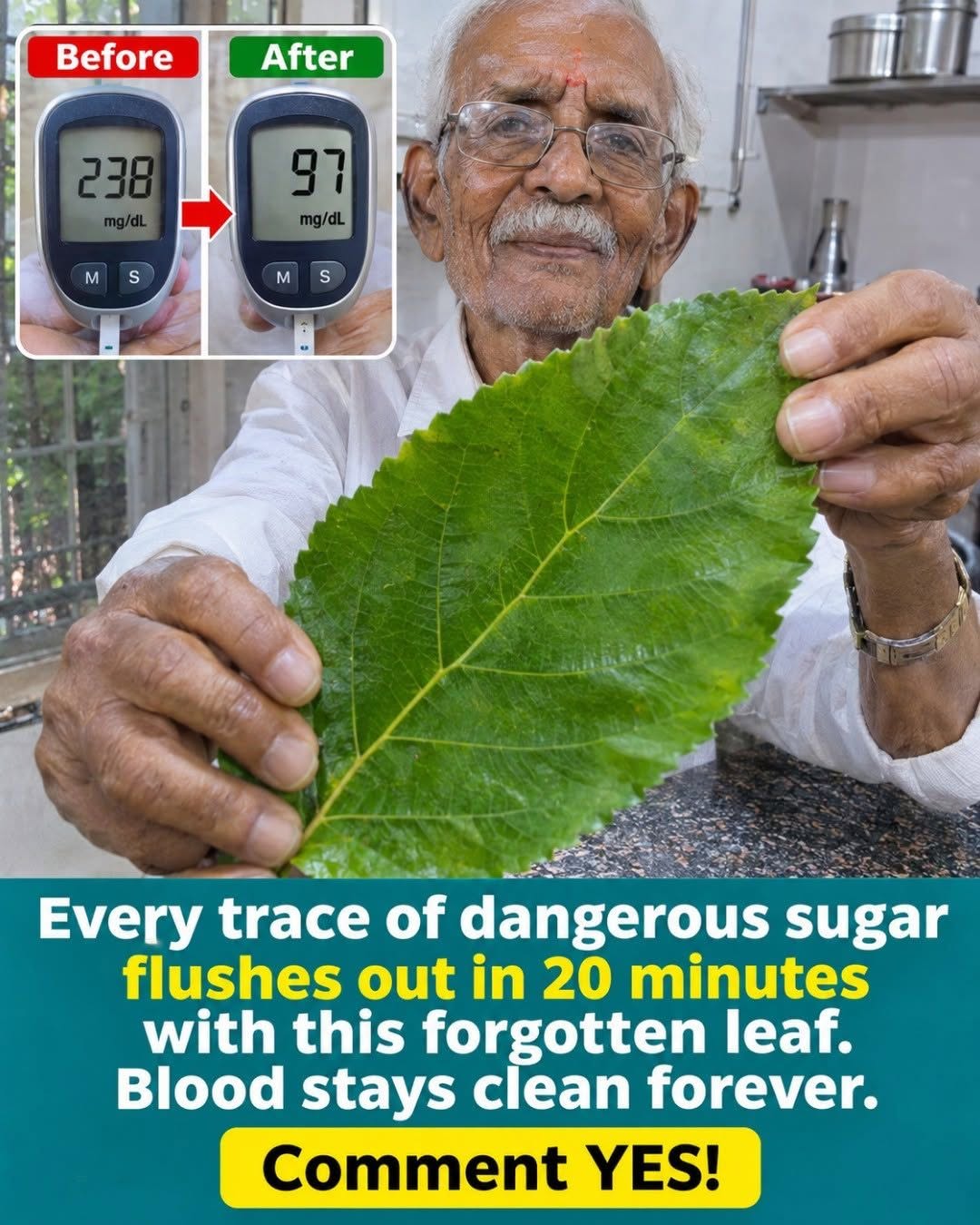
For example, a fasting blood glucose reading of 97 mg/dL is generally within the usual normal range for someone without diabetes.
A reading of 238 mg/dL is elevated and deserves attention, particularly if it occurs repeatedly.
However, comparing two readings does not prove that a particular leaf, herb, or homemade drink caused the difference.
Blood glucose can change for several reasons, including meals, physical activity, medication, stress, illness, and the timing of measurements.
People experiencing persistently elevated readings should discuss them with a healthcare professional.
Very high blood glucose accompanied by symptoms such as vomiting, abdominal pain, rapid breathing, or confusion requires urgent medical evaluation.
Can a Natural Leaf Replace Diabetes Medication?
No. Although certain plants and herbs are being studied for their potential effects on glucose metabolism, there is not enough reliable evidence to recommend a particular leaf as a replacement for established diabetes treatment.
Natural does not automatically mean safe or effective.
Some herbal products may interact with medications or affect blood glucose in unpredictable ways.
Anyone managing diabetes should speak with a qualified healthcare professional before introducing herbal supplements or making changes to prescribed treatment.
Insulin and other prescribed medications should never be stopped or reduced because of an online natural remedy claim.
Final Thoughts
Supporting healthy blood sugar levels does not depend on a miracle leaf or a drink that promises instant results.
A more reliable approach combines balanced meals, fiber-rich foods, regular physical activity, sufficient sleep, appropriate glucose monitoring, and professional medical care.
Simple changes made consistently can contribute to long-term health and better metabolic wellness.
Herbal drinks such as ginger and mint infusions can be enjoyable additions to everyday hydration, but they should remain part of a healthy lifestyle rather than being presented as treatments for diabetes.
The most important message is simple: informed choices, realistic expectations, and appropriate medical guidance are essential for maintaining healthy blood glucose levels.
Important Medical Disclaimer
This article is for general informational and educational purposes only. It is not medical advice and should not be considered a recommendation to use toothpaste and Vaseline as a skin treatment. Always consult a qualified healthcare professional or dermatologist before trying this or any other homemade skin-care remedy, especially if you have sensitive skin, an existing skin condition, or unexplained irritation. Individual reactions can vary. Stop using any product that causes discomfort and seek professional medical advice when necessary.