The Appeal of a Simple Fix
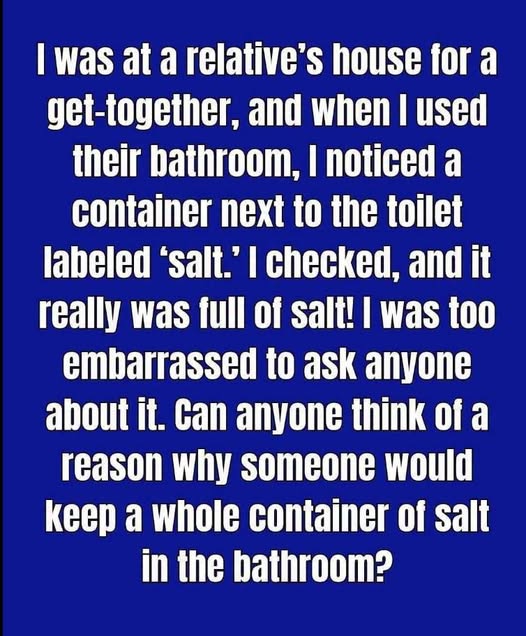
When a toilet starts acting up or drains slow, it’s tempting to try a cheap home remedy. Pouring salt into the bowl seems harmless and is often shared online. But the reality is more complicated, and plumbers see the results of this shortcut far too often.
How Tree Roots Get Into Sewer Pipes
Tree roots are constantly searching for water and nutrients. Underground sewer pipes carry moisture and can develop tiny cracks or loose joints over time. Once a root finds even a small opening, it will grow inside the pipe, expanding and catching debris. This leads to slow drainage, gurgling sounds from the toilet, and unpleasant odors backing up into the home.
Why Flushing Rock Salt Is Not the Answer
Rock salt is a common DIY suggestion for killing roots inside pipes. The idea is that the salt dehydrates the roots and clears the blockage. In practice, this method is unreliable. The salt may not reach the entire affected area, and it can wash away before having any real effect. Worse, flushing large amounts of salt can harm the surrounding soil and plant life once it leaks out of the pipe. Instead of solving the problem, it can create a new one in your yard.
What Happens If You Ignore Root Intrusion
Roots inside a sewer line will not go away on their own. They keep growing, and the blockage gets bigger. Over time, this can cause major pipe damage, including cracks and collapsed sections. Eventually, you may face a costly emergency plumbing repair that could have been avoided with early intervention.
The Professional Approach That Actually Works
A licensed plumber can inspect your pipes with specialized equipment, such as a small camera that travels through the line. This lets them see exactly where the roots are and how severe the blockage is. Then they can safely eliminate the root mass using professional tools designed for the job. In many cases, they can also advise on preventing future problems, such as repairing the cracked section or treating the pipe interior.
Signs You Should Call a Plumber
- Water drains more slowly than usual in multiple fixtures.
- You hear gurgling or bubbling sounds from the toilet after flushing.
- There are persistent unpleasant odors coming from drains.
- You have large trees or shrubs near your sewer line.
Simple Prevention Tips
- Know where your sewer line runs and avoid planting trees or large shrubs directly over it.
- Schedule a professional inspection if you suspect roots or have an older home with clay or cast-iron pipes.
- Fix small leaks or cracks in the pipe promptly before roots can enter.
FAQ: Salt in the Toilet and Sewer Roots
Does rock salt kill tree roots in sewer pipes?
Not reliably. It may have a temporary drying effect on small roots it touches, but it will not eliminate the entire root system, and the roots will typically grow back.
Can flushing salt damage my toilet or pipes?
Salt itself is not likely to harm modern plumbing, but the larger issue is that it doesn’t solve the problem and can damage your landscaping when it leaks into the soil.
How fast can tree roots grow in a sewer line?
Once a root finds moisture inside a pipe, it can grow quickly and create a noticeable blockage within a single growing season.
Should I try a root-killing chemical from the hardware store?
These products have mixed results and can also harm nearby plants. A professional plumber can give you a more permanent solution.