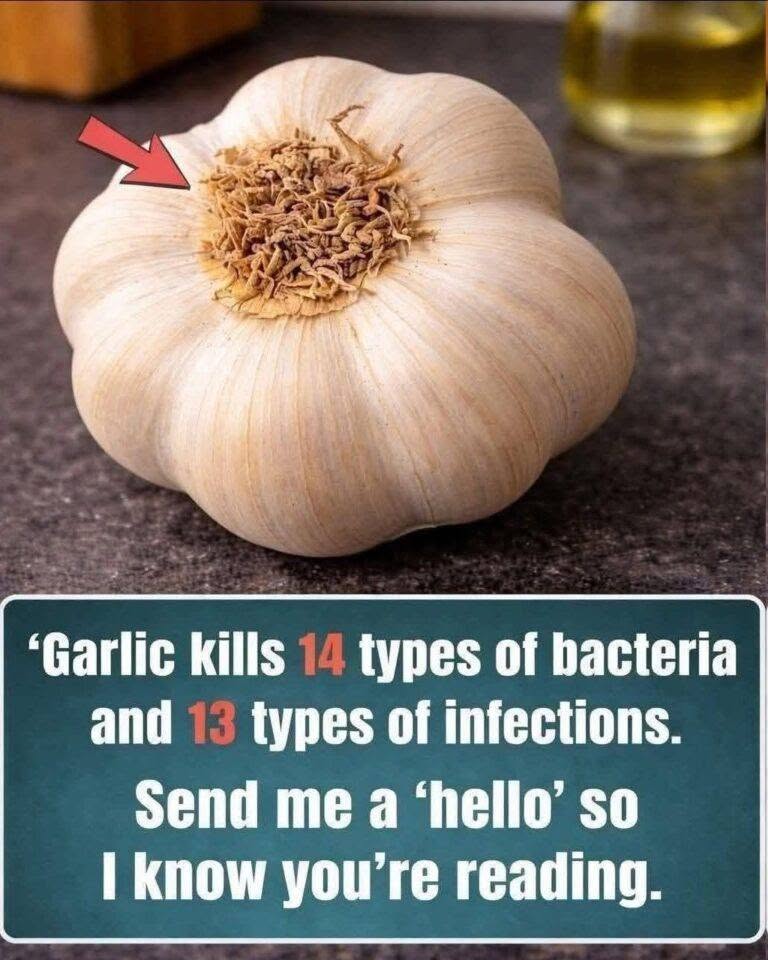
Every so often, a health claim appears online promising extraordinary benefits from a single everyday ingredient. One viral post might describe garlic as a natural shield against disease, while another suggests that ginger or turmeric can protect the body from numerous health problems.
These claims can sound convincing, especially when they involve familiar foods that have been used in traditional cooking and wellness practices for generations. But how much truth is behind them?
The reality is that no single food, spice, or natural ingredient can protect the body from every illness or replace a healthy lifestyle. However, certain ingredients contain beneficial compounds that may support normal body functions when included as part of a balanced diet.
Garlic, ginger, and turmeric are excellent examples. Each offers interesting nutritional properties, but understanding their actual benefits is essential before believing exaggerated health promises.
1. Garlic: A Flavorful Ingredient With Potential Heart Benefits
Garlic is more than a popular kitchen ingredient. It contains sulfur-containing compounds, including allicin, which forms when fresh garlic is crushed or chopped.
These compounds have attracted scientific interest because of their potential effects on cardiovascular health.
Potential Benefits of Garlic
- Heart health: Some research suggests that garlic supplements may modestly improve certain cardiovascular risk factors.
- Blood pressure: Garlic preparations may help reduce blood pressure in some people, particularly those with elevated readings.
- Antioxidant activity: Garlic contains compounds that contribute to its antioxidant properties.
- Natural antimicrobial properties: Certain garlic compounds have demonstrated antimicrobial activity in laboratory studies.
However, laboratory findings do not automatically mean that eating garlic can prevent or treat infections in humans.
Garlic should be viewed as a nutritious addition to meals rather than a replacement for prescribed blood pressure medication or medical treatment.
How to Include Garlic in Your Diet
Fresh garlic can be added to soups, roasted vegetables, sauces, salads, and homemade dressings.
Chopping or crushing garlic before cooking allows some of its characteristic sulfur compounds to form. However, there is no need to consume excessive amounts to obtain its culinary and nutritional benefits.
2. Ginger: A Traditional Ingredient for Digestive Comfort
Ginger has been used in cooking and traditional wellness practices for centuries. Its characteristic flavor comes from naturally occurring compounds called gingerols and shogaols.
Research has explored ginger’s potential role in digestion, nausea, and inflammation.
Potential Benefits of Ginger
- Nausea relief: Ginger has some evidence supporting its use for certain types of nausea, including pregnancy-related nausea, although individual circumstances matter.
- Digestive comfort: It may help some people experiencing digestive discomfort.
- Antioxidant properties: Ginger contains compounds with antioxidant activity.
- Inflammation research: Studies have investigated its potential effects on inflammatory processes, although more research is needed to establish specific clinical benefits.
Easy Ways to Enjoy Ginger
Fresh ginger can be grated into soups, stir-fries, vegetable dishes, and homemade sauces.
It can also be used to prepare ginger tea by steeping fresh slices in hot water.
Although ginger is generally well tolerated in normal food amounts, concentrated supplements may cause digestive discomfort and can interact with certain medications.
People taking blood-thinning medication or managing a medical condition should ask a healthcare professional before using high-dose ginger supplements.
3. Turmeric: The Golden Spice With Antioxidant Properties
Turmeric is a bright yellow spice commonly used in South Asian and Middle Eastern cooking. Its best-known active compound is curcumin, which has been widely studied for its antioxidant and anti-inflammatory properties.
Curcumin has attracted scientific attention because inflammation is involved in many normal biological processes and certain chronic health conditions.
Potential Benefits of Turmeric
- Antioxidant activity: Curcumin can help neutralize certain reactive molecules in laboratory studies.
- Joint health research: Some clinical studies suggest that turmeric or curcumin preparations may help reduce certain symptoms of osteoarthritis.
- Inflammation research: Scientists continue investigating how curcumin influences inflammatory pathways.
- General nutrition: Turmeric adds flavor and variety to meals, making it a useful ingredient in a balanced eating pattern.
However, research findings about concentrated curcumin supplements should not be confused with the effects of using ordinary turmeric in food.
Curcumin is also relatively difficult for the body to absorb. Some supplements contain additional ingredients designed to increase absorption, which can change their effects and safety profile.
High-dose turmeric or curcumin supplements may cause digestive problems and have been associated with rare cases of liver injury. People with gallbladder conditions or those taking regular medication should seek medical advice before using concentrated products.
4. Why You Should Be Careful With Viral Miracle Health Claims
Social media makes it easy for health information to spread quickly. Unfortunately, impressive headlines sometimes turn limited scientific findings into promises that have not been established.
Claims such as “one ingredient protects you from every disease” or “this natural remedy replaces medication” should always be approached with caution.
There are several reasons why these messages can be misleading.
One Study Does Not Prove a Miracle Cure
A laboratory experiment may show that a compound affects certain cells or biological processes. That does not prove that eating the ingredient will produce the same effect in the human body.
Reliable health recommendations generally require evidence from well-designed human studies, not just laboratory experiments or personal testimonials.
Natural Does Not Always Mean Risk-Free
Garlic, ginger, and turmeric are common foods, but concentrated supplements can have stronger effects.
They may interact with medications, cause unwanted side effects, or be unsuitable for people with particular health conditions.
One Food Cannot Replace a Balanced Diet
The body needs a wide range of nutrients, including protein, healthy fats, carbohydrates, vitamins, minerals, and fiber.
Depending on a single ingredient while neglecting dietary variety can make it harder to meet nutritional needs.
5. The Real Foundation of Long-Term Health
Rather than searching for one miracle ingredient, focus on everyday habits that support overall health.
These habits may seem simple, but consistency makes them valuable.
Eat a Variety of Whole Foods
Include different vegetables, fruits, whole grains, beans, nuts, seeds, and appropriate protein sources in your meals.
Eating a variety of foods helps provide the nutrients your body needs and supports a balanced dietary pattern.
Stay Physically Active
Regular movement supports cardiovascular health, muscle strength, mobility, and overall well-being.
Activities such as walking, cycling, dancing, swimming, and recreational sports can all contribute to an active lifestyle.
Choose activities that are appropriate for your abilities and health circumstances.
Get Enough Sleep
Sleep plays an important role in memory, mood, immune function, and physical recovery.
Maintaining a consistent sleep schedule and creating a comfortable sleeping environment can help support better sleep habits.
Manage Everyday Stress
Long-term stress can affect sleep, concentration, and general well-being.
Relaxation techniques, enjoyable activities, social connections, and regular physical activity may help people manage everyday stress.
Follow Appropriate Preventive Healthcare
Routine medical checkups, recommended vaccinations, and appropriate screening tests are also important parts of maintaining health.
Healthy eating and natural ingredients can complement preventive healthcare, but they cannot replace it.
6. How to Add Garlic, Ginger, and Turmeric to Everyday Meals
You don’t need complicated recipes or expensive supplements to enjoy these ingredients.
Here are a few simple ideas:
- Garlic: Add minced garlic to roasted vegetables, homemade soups, or salad dressings.
- Ginger: Use freshly grated ginger in vegetable stir-fries, sauces, or warm tea.
- Turmeric: Add a small amount to rice, lentil soup, roasted vegetables, or homemade curry.
- Combine them: Use garlic, ginger, and turmeric together in a savory vegetable soup or seasoning mixture.
Using these ingredients in everyday cooking is an enjoyable way to add flavor and variety to your meals.
Final Thoughts: Real Health Is Built Through Consistent Habits
Garlic, ginger, and turmeric are valuable ingredients with interesting nutritional and scientific properties. Research suggests that certain compounds found in these foods may support aspects of cardiovascular, digestive, and general health.
However, none of them can protect the body from every disease, guarantee a longer life, or replace appropriate medical care.
The real foundation of long-term health is much less mysterious: a varied diet, regular physical activity, sufficient sleep, stress management, and appropriate preventive healthcare.
Instead of searching for one magical ingredient, focus on building habits that you can maintain over time. Small, consistent choices can make a meaningful contribution to overall well-being.
Remember: No superfood can do everything, but a balanced lifestyle gives your body a much stronger foundation for good health.