
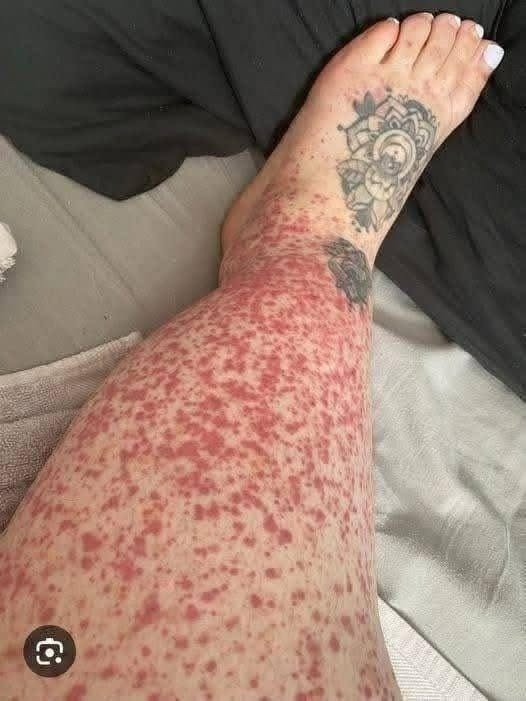
A dramatic headline that begins with “These are the consequences of sleeping with…” is almost guaranteed to attract attention.
But when it comes to sexual relationships, the reality is more complicated than a viral post suggests.
Having sex with another person can have physical, emotional, and reproductive consequences. Some are temporary, some can be long-lasting, and many depend on factors such as protection, contraception, consent, communication, and the health of both partners.
Understanding those possibilities is far more useful than relying on frightening social-media claims.
Sex Can Carry Physical Health Risks
One of the most important considerations is the possibility of sexually transmitted infections, commonly known as STIs.
Infections such as chlamydia, gonorrhea, syphilis, genital herpes, HPV, and HIV can be transmitted through sexual contact.
Some infections cause noticeable symptoms, while others may remain unnoticed for a long time.
That means someone can feel completely healthy while still having an STI.
Regular testing can therefore be an important part of sexual health, particularly when partners have changed or when there is uncertainty about exposure.
Pregnancy Is Another Possible Consequence
For people who can become pregnant, vaginal sex can result in pregnancy when contraception isn’t used or when contraception fails.
Different contraceptive methods have different levels of effectiveness, and no method is perfect.
Condoms can also provide protection against many STIs while helping prevent pregnancy, making them an important tool for safer sex.
People who want to avoid pregnancy should consider using contraception consistently and understand how their chosen method works
Emotional Effects Can Be Different for Everyone
Physical health isn’t the only consideration.
Sex can sometimes strengthen feelings of closeness and intimacy between partners. For others, it may lead to complicated emotions, particularly when expectations aren’t shared.
Someone may develop stronger feelings after becoming sexually intimate, while the other person may not feel the same way.
That mismatch can result in disappointment, anxiety, confusion, or relationship conflict.
There isn’t one universal emotional response to sex.
Communication Matters
One of the healthiest habits in any sexual relationship is honest communication.
Partners should be able to discuss boundaries, contraception, STI testing, expectations, and consent.
Communication doesn’t eliminate every possible problem, but it can help people make informed decisions and recognize whether they are comfortable with what is happening.
A relationship should never depend on pressure, manipulation, or fear.
Consent Is Essential
Consent is not simply the absence of saying “no.”
It means freely agreeing to sexual activity and being able to change your mind at any point.
Someone who is intoxicated, unconscious, threatened, or otherwise unable to make a voluntary decision cannot provide meaningful consent.
Healthy intimacy depends on both people being willing participants.
Not Every Consequence Is Negative
Viral posts often present sex as though it automatically leads to something harmful.
That’s not an accurate picture.
Consensual sexual relationships between adults can be a normal part of life and may involve intimacy, affection, pleasure, companionship, and emotional connection.
The important issue is whether the relationship is safe, consensual, respectful, and compatible with the individuals involved.
What About “Sleeping With Someone” Literally?
There’s also a common misunderstanding hidden inside headlines like this one.
If “sleeping with someone” literally means sharing a bed rather than having sex, the consequences are completely different.
Sharing a bed can affect sleep quality because of differences in temperature preferences, movement, schedules, snoring, or sleeping habits.
For some couples, sleeping together feels comforting and strengthens their sense of connection. For others, separate sleeping arrangements may actually improve rest.
There is no single sleeping arrangement that works for every relationship.
When Should Someone Consider Testing?
STI testing may be appropriate after a new sexual partner, following potential exposure, or when recommended by a healthcare professional.
Testing is particularly important because many STIs don’t produce obvious symptoms.
Someone shouldn’t rely solely on how they feel to determine whether they have an infection.
If there has been a possible exposure, a healthcare professional can explain which tests are appropriate and when they should be taken.
Protecting Your Health Doesn’t Have to Be Complicated
A few practical steps can substantially reduce many sexual-health risks:
- Discuss STI testing with partners.
- Use condoms correctly and consistently.
- Consider appropriate contraception if pregnancy is possible.
- Stay up to date with recommended vaccines, including HPV and hepatitis B when appropriate.
- Get tested when there has been a potential exposure.
- Talk openly about boundaries and expectations.
- Seek medical advice when symptoms or concerns appear.
These steps are much more useful than sensational online warnings.
The Bigger Picture
Sex is a personal decision, and its consequences depend heavily on the circumstances.
For one person, intimacy may be part of a committed relationship. For another, it may involve a new partner or a different set of expectations.
What matters is understanding the potential risks and making decisions with accurate information.
Fear-based headlines rarely provide that.
Good sexual-health information does.
The Bottom Line
The consequences of sleeping with someone aren’t automatically good or bad.
They can include emotional intimacy, relationship changes, pregnancy, or sexually transmitted infections, depending on the circumstances.
The best protection comes from informed choices, mutual consent, communication, appropriate contraception, and regular healthcare.
Instead of asking only what might happen after sex, a better question is:
“How can I make sure my choices are safe, consensual, and right for me?”