
Those fine lines running from the base of your nail toward the tip can be easy to ignore—until they become more noticeable. Vertical nail ridges are common, and they don’t automatically mean you’re missing a vitamin. In many people, they become more visible with age or are related to dry, brittle nails, repeated water exposure, or everyday nail trauma.
Still, nutrition matters. Nails are made largely of keratin, and inadequate intake of certain nutrients can affect how nails grow and how strong they feel. The important distinction is that nutrients help most when your diet is actually lacking them; taking large doses of supplements won’t necessarily smooth normal ridges.


What Do Vertical Nail Ridges Actually Mean?
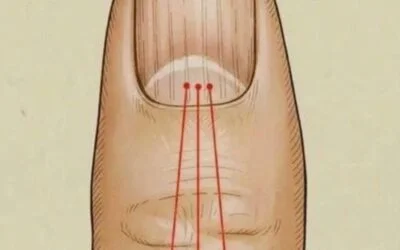
Vertical ridges, sometimes called longitudinal ridges, run in the same direction as nail growth.
They’re different from horizontal grooves, which can appear after an illness, injury, major stress, or another event temporarily interrupts nail growth. The American Academy of Dermatology notes that lines running the length of a nail are common and are often nothing to worry about.
Age is also an important factor. Longitudinal ridging and brittle nails become more common as people get older. Dryness and repeated exposure to water or harsh chemicals can make the ridges and splitting more noticeable.
So if you’ve noticed a few fine ridges on otherwise healthy nails, there’s no reason to assume you have a nutritional deficiency.
But if your nails have changed suddenly, become very brittle, develop unusual colors, or show other symptoms, that’s a different situation.
1. Iron
Iron is one of the nutrients most worth considering when nail changes are accompanied by other signs of deficiency.
Iron deficiency is associated with several nail abnormalities, including vertical ridges and spoon-shaped nails. Spoon nails are different from ordinary ridges: the center of the nail becomes depressed and the edges may curve upward.
Good food sources include:
- Lean beef
- Chicken and turkey
- Lentils
- Beans
- Spinach and other leafy greens
- Iron-fortified cereals
- Oysters and other shellfish
If you suspect iron deficiency, don’t start taking high-dose iron simply because your nails have ridges.
Iron supplements can be inappropriate or harmful when you don’t need them. A healthcare professional can determine whether blood testing is appropriate.
2. Zinc
Zinc plays many roles in normal growth and tissue maintenance.
Zinc deficiency can affect the nails and has been associated with certain nail abnormalities, including Beau’s lines and other changes.
Food sources include:
- Oysters
- Beef
- Crab
- Poultry
- Pumpkin seeds
- Beans
- Dairy products
The goal is adequate zinc intake, not megadosing.
Taking large amounts of zinc over time can create its own nutritional problems, so supplements should be used for a reason rather than simply because a nail-care article recommends them.
3. Biotin
Biotin, also known as vitamin B7, gets a tremendous amount of attention in the beauty world.
There’s a reason for that: small studies have found improvements in some people with brittle nails who took high-dose biotin. However, the evidence is limited, and the NIH says there is not enough scientific evidence to recommend routine high-dose biotin supplements for healthy people’s hair, skin, or nails.
Biotin deficiency itself is rare in the United States. When a genuine deficiency occurs, brittle nails can be one of the possible symptoms.
Food sources include:
- Eggs
- Salmon
- Nuts and seeds
- Sweet potatoes
- Legumes
- Some organ meats
One important warning: high-dose biotin can interfere with certain laboratory tests, potentially producing misleading results. Tell your healthcare provider if you’re taking a biotin supplement, especially before bloodwork.
4. Vitamin B12
Vitamin B12 is important for normal blood-cell formation and nervous-system function, and nutritional deficiencies can produce a variety of symptoms.
B12 and other B vitamins have also been investigated in relation to nail health. However, there’s an important distinction between getting enough B12 and taking B12 specifically to erase nail ridges.
If you’re deficient, correcting the deficiency is important for your overall health. But there’s no good reason for a well-nourished person to assume that extra B12 will automatically smooth normal nail ridges.
Natural sources include:
- Fish
- Meat
- Poultry
- Eggs
- Milk and other dairy products
People who eat little or no animal food may need to pay particular attention to reliable B12 sources.
5. Folate
Folate, or vitamin B9, is another nutrient involved in normal cell growth and division.
Because nails are continuously produced by rapidly growing cells in the nail matrix, adequate overall nutrition matters for healthy nail growth.
Folate-rich foods include:
- Leafy green vegetables
- Beans
- Lentils
- Asparagus
- Avocado
- Oranges
- Fortified grains
But again, more isn’t necessarily better.
The purpose of eating a varied diet is to supply the nutrients your body needs—not to take every vitamin at a high dose in hopes of changing the appearance of one part of your body.
6. Protein
Protein isn’t a vitamin or mineral, but it deserves a place on this list because nails are largely made of keratin, a structural protein.
A diet consistently lacking adequate protein can affect many aspects of health and nutrition. Adequate protein provides the amino acids your body uses to build and maintain tissues.
Good sources include:
- Eggs
- Fish
- Chicken
- Greek yogurt
- Cottage cheese
- Beans
- Lentils
- Tofu
- Nuts and seeds
If your diet is varied and contains adequate protein, adding extra protein specifically for vertical nail ridges is unlikely to make a dramatic difference.
The Important Part: Ridges Don’t Automatically Mean a Deficiency
This is where many online nail-health articles go too far.
Seeing ridges doesn’t give you enough information to diagnose an iron, zinc, biotin, or vitamin deficiency.
Cleveland Clinic notes that nail ridges can have multiple causes, including nutritional deficiencies, previous illness, injury, and other health conditions. Treatment works best when the underlying cause is identified.
So rather than asking:
“Which vitamin should I take?”
a better question is:
“Why did my nails change?”
That change could be nutritional—or it could have nothing to do with nutrition.


Don’t Forget the Everyday Causes
Continue Reading For More Helpful Tips →
Continue Reading →
Continue Reading For More Helpful Tips →
Continue Reading →