

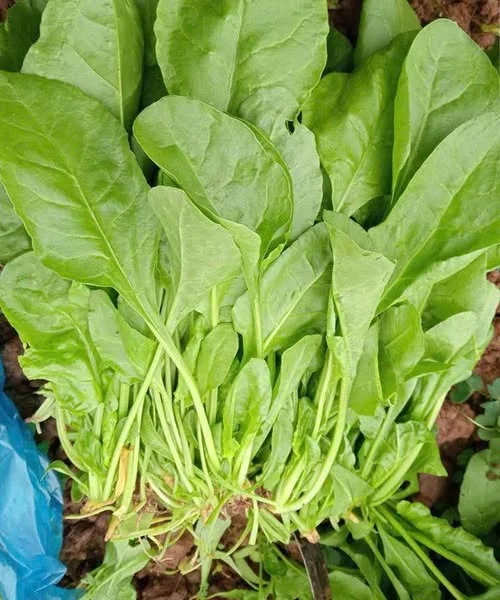
You add a handful of spinach to a meal because it looks like an easy way to eat healthier—but this ordinary leafy green contains far more than its appearance suggests.
From vitamin K and folate to carotenoids, magnesium, and dietary fiber, spinach packs a surprising amount of nutrition into very few calories. But some of the health claims surrounding it are stronger than the evidence actually supports.
So what can spinach realistically contribute to your diet?


1. Spinach Is Packed With Nutrients
Spinach is naturally low in calories while providing several important vitamins and minerals.
It contains notable amounts of:
- Vitamin K
- Folate
- Vitamin A
- Vitamin C
- Magnesium
- Iron
- Calcium
- Dietary fiber
These nutrients contribute to normal functions throughout the body, including bone maintenance, blood formation, immune function, and normal metabolism.
That makes spinach a particularly efficient way to add nutrients to a meal without adding many calories.
2. It Provides Compounds That Support Heart Health
Spinach contains naturally occurring nitrates. Research suggests that dietary nitrates can contribute to the production of nitric oxide, a compound involved in blood-vessel function.
That doesn’t mean spinach is a treatment for high blood pressure or heart disease.
However, regularly eating vegetables such as spinach can be part of an overall eating pattern associated with cardiovascular health.
The bigger picture matters: one food cannot replace prescribed treatment, physical activity, or a balanced diet.
3. Spinach Contains Important Carotenoids for Eye Health


One of spinach’s most interesting features is its content of lutein and zeaxanthin.
These carotenoids accumulate in the eye and are associated with visual health. They are also being studied for their relationship with age-related eye conditions.
Eating spinach won’t restore damaged eyesight or guarantee protection against eye disease, but getting carotenoid-rich vegetables regularly is a sensible part of a nutrient-rich diet.
4. Vitamin K Makes Spinach Valuable for Bone Health
Spinach is especially rich in vitamin K.
Vitamin K plays an important role in normal blood clotting and bone metabolism.
Spinach also provides calcium and magnesium, although the amount of calcium your body actually absorbs from spinach is limited by compounds called oxalates.
So spinach can contribute to a bone-supportive diet, but it shouldn’t be considered a complete replacement for other calcium-rich foods.
5. It Contains Iron—but There’s an Important Detail
Spinach contains iron, which is needed to make hemoglobin and support oxygen transport.
However, spinach’s iron is non-heme iron, the form found in plant foods. The body generally absorbs non-heme iron less efficiently than heme iron from animal foods.
Spinach also contains oxalates, which can further reduce mineral absorption.
One simple way to improve absorption is to eat spinach alongside a source of vitamin C, such as:
- Bell peppers
- Tomatoes
- Citrus
- Strawberries
So spinach can contribute iron, but it shouldn’t automatically be described as a cure for iron deficiency.
6. Its Fiber Can Support Digestion
Spinach provides dietary fiber, which contributes to normal digestive function.
Fiber can help support regular bowel movements and contributes to a feeling of fullness after meals.
But if your diet is currently low in fiber, suddenly eating large quantities of vegetables may cause bloating or digestive discomfort.
Increasing fiber gradually and drinking enough fluids is usually a more comfortable approach.
7. Spinach Can Fit Easily Into a Weight-Conscious Diet


Spinach is naturally low in calories and can add volume, color, texture, and nutrients to meals.
Try adding it to:
- Omelets
- Soups
- Pasta
- Sandwiches
- Salads
- Smoothies
- Grain bowls
- Stir-fries
The important distinction is that spinach itself doesn’t “burn fat.” Its value comes from being a nutrient-dense food that can replace less nutritious ingredients while contributing fiber and micronutrients.
8. Cooking Spinach Can Change Its Nutritional Profile
Raw spinach is convenient, but cooking isn’t necessarily bad.
Heat reduces the volume of spinach dramatically, meaning you can eat a much larger amount in a cooked serving.
At the same time, cooking can affect certain vitamins and plant compounds.
If you want to preserve nutrients that are sensitive to heat, shorter cooking times and methods such as steaming can be useful.
For everyday eating, the best preparation is often simply the one that makes you enjoy eating vegetables regularly.
A Small Detail People Often Miss: Oxalates
Spinach is nutritious, but it isn’t ideal for absolutely everyone in unlimited amounts.
It contains oxalates, naturally occurring compounds that can bind minerals and are relevant for people who are prone to certain types of kidney stones.
If you’ve been advised by a healthcare professional to follow a low-oxalate diet, spinach may need to be limited.
This is a good reminder that “healthy food” doesn’t automatically mean “right for everyone.”
Easy Ways to Eat More Spinach
You don’t need complicated recipes.
Try:
At breakfast: Add spinach to scrambled eggs or an omelet.
At lunch: Toss fresh leaves into a salad or sandwich.
At dinner: Stir spinach into soup, pasta, rice, or beans.
As a side: Quickly sauté it with olive oil and garlic.
In a smoothie: Blend a small handful with fruit, yogurt, or milk.
The goal isn’t to eat enormous amounts. It’s to make nutrient-rich vegetables a regular part of your meals.
The Bottom Line
Spinach deserves its reputation as a nutritious leafy green—but there’s no need to turn it into a miracle food.
It provides vitamin K, folate, carotenoids, magnesium, fiber, and other useful nutrients. It can support a healthy eating pattern that benefits the heart, eyes, bones, and digestive system.
At the same time, claims that spinach can prevent or cure specific diseases go beyond what one food can realistically do.
The best approach is simple: eat spinach regularly as part of a varied diet, rather than expecting it to do everything on its own.
Sometimes, the most useful “superfood” isn’t a miracle ingredient at all—it’s simply a vegetable you can keep putting on your plate.