
Having your gallbladder removed can sound frightening, especially when you see claims that the surgery will cause other diseases later in life.
The reality is much less alarming.
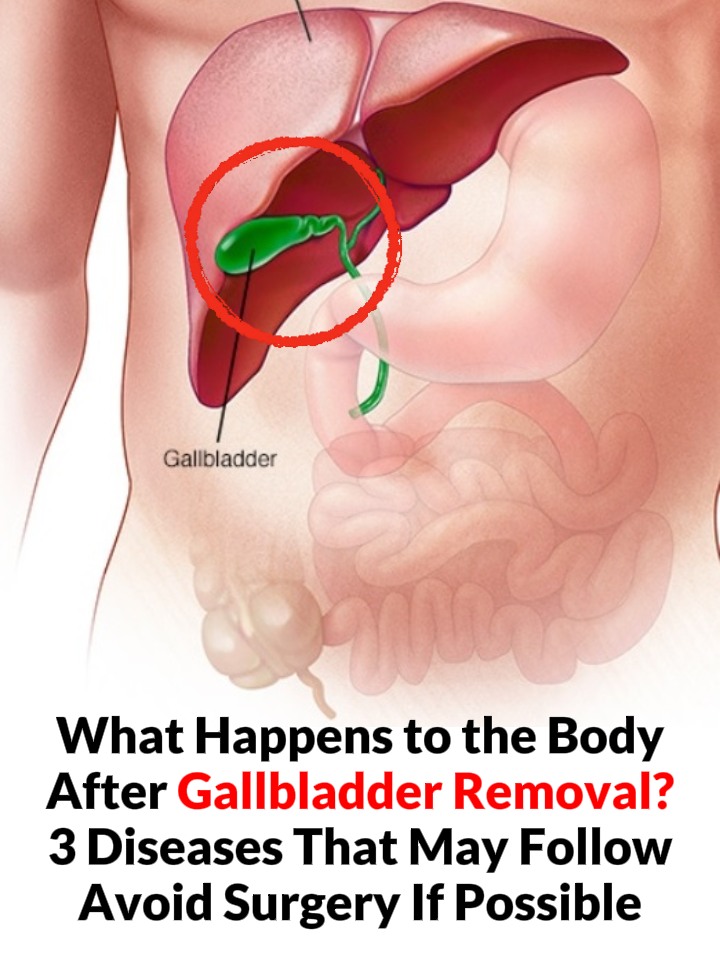
The gallbladder is a small organ underneath the liver. Its main job is to store and concentrate bile, which helps your body digest fat. When the gallbladder is removed, your liver continues making bile. The difference is that bile flows more continuously into the small intestine instead of being stored in the gallbladder.
For most people, this change does not prevent normal digestion or a normal life.
However, some people notice changes after surgery, and a small number develop complications that need medical attention.
Here are five of the most important things to understand.


1. Your Bile Still Works—It Just Flows Differently
One of the biggest misconceptions about gallbladder removal is that your body can no longer digest fat.
That’s not true.
Your liver continues producing bile after surgery. What changes is the storage system.
Before surgery, the gallbladder stores bile and releases it when needed. After surgery, bile moves from the liver through the bile ducts and into the small intestine more continuously.
Most people adjust to this change without major problems.
Some people, however, notice that certain meals—particularly large or very fatty meals—are harder on their digestive system.
That’s why smaller meals and avoiding very greasy foods can sometimes make the adjustment easier, especially during the first weeks after surgery.
2. Diarrhea Can Happen After Surgery
This is probably one of the more common digestive changes people notice.
Some people experience loose or more frequent stools after gallbladder removal. One reason may be that bile reaches the intestine more continuously and bile acids can have a laxative effect.
For many people, this improves within weeks or months.
But not everyone improves quickly.
Mayo Clinic notes that diarrhea can occasionally persist for a much longer period, and some people may need medical evaluation and treatment.
If diarrhea continues for more than several weeks, wakes you during the night, causes weight loss, or occurs with fever, blood, or significant abdominal pain, contact your healthcare professional.
There are treatments available when bile-acid-related diarrhea becomes persistent.


3. Fatty Meals May Become Harder to Tolerate
You don’t necessarily need to eliminate fat from your diet after gallbladder surgery.
But eating a very large, greasy meal may cause digestive discomfort in some people.
You might notice:
- Bloating
- Gas
- Cramping
- Loose stools
- Urgency to use the bathroom
- Indigestion
The reason is partly related to how bile is delivered after surgery.
Instead of being stored and concentrated in the gallbladder, bile flows more continuously into the intestine. Large amounts of dietary fat at one time may therefore be harder for some people to tolerate.
A practical approach is to pay attention to your own response to food.
Instead of assuming you can never eat certain foods again, try smaller portions and a generally balanced diet. If a particular food consistently triggers symptoms, discuss it with your healthcare provider or a registered dietitian.
4. Some People Have Ongoing Abdominal Symptoms
Most people recover well after gallbladder removal.
But some continue experiencing symptoms such as:
- Abdominal pain
- Indigestion
- Heartburn
- Nausea
- Diarrhea
- Bloating
These symptoms are sometimes grouped under the term post-cholecystectomy syndrome.
That doesn’t necessarily mean the surgery was a mistake.
There can be different explanations for symptoms that continue after surgery. Sometimes another digestive condition is responsible. Sometimes there may be a problem involving the bile ducts or another complication.
That’s why persistent symptoms deserve evaluation rather than being accepted as something you simply have to live with.
5. Rare Surgical Complications Can Occur
Gallbladder removal is considered a common and generally safe operation, but like every surgery, it carries risks.
Possible complications include:
- Infection
- Bleeding
- Blood clots
- Bile leakage
- Injury to the bile ducts
- Injury to nearby organs
- Gallstones remaining in the bile ducts
These complications are uncommon, but some can require additional treatment or surgery.
The risk also depends on your overall health and why the surgery is being performed.


Does Gallbladder Removal Cause Other Diseases?
This is where it’s important to separate internet claims from established medical evidence.
There is no good reason to tell everyone that gallbladder removal will cause three specific diseases later in life.
In fact, the National Institute of Diabetes and Digestive and Kidney Diseases states that the gallbladder is not an essential organ and that people can live normally without it.
Doctors commonly recommend gallbladder removal when gallstones are causing symptoms or complications. It may also be recommended for conditions such as gallbladder inflammation, stones in the bile duct, certain polyps, or gallstone-related pancreatitis.
So the question isn’t simply:
“Is gallbladder surgery dangerous?”
A better question is:
“What are the benefits and risks of surgery for my particular condition?”
That’s something your surgeon can determine based on your symptoms, test results, overall health, and the reason surgery is being considered.
What Should You Eat After Gallbladder Removal?
There isn’t one universal “gallbladder removal diet.”
Many people eventually return to a normal, balanced diet.
During recovery, however, smaller meals may be easier to tolerate. If fatty foods trigger diarrhea or discomfort, reducing the amount of fat eaten at one time may help. Mayo Clinic also notes that caffeine, dairy products, greasy foods, and very sweet foods can worsen diarrhea in some people.
A simple meal might include:
- Grilled chicken or fish
- Rice or potatoes
- Cooked vegetables
- Oatmeal
- Fruit
- Whole grains
- Smaller portions of healthy fats
You don’t need to be afraid of every food containing fat.
The goal is usually to find a pattern that your digestive system tolerates while maintaining good overall nutrition.


When Should You Call Your Doctor?
Some discomfort is expected during recovery, but certain symptoms shouldn’t be ignored.
Contact your healthcare team if you develop persistent or worsening:
- Abdominal pain
- Diarrhea
- Nausea or vomiting
- Digestive problems
- Fever
- Yellow skin or yellowing of the whites of the eyes
The NHS specifically advises seeking medical help for severe or worsening abdominal pain, jaundice, wound problems, or signs of infection after gallbladder removal.
Severe chest pain or difficulty breathing after surgery can indicate a medical emergency and requires immediate emergency care.
Can You Live Normally Without a Gallbladder?
For most people, yes.
That’s perhaps the most reassuring fact to remember.
The gallbladder helps with digestion, but it isn’t essential for life. After it is removed, the liver continues producing bile and the digestive system can continue functioning.
Some people notice no long-term digestive difference at all.
Others may have temporary changes in bowel habits or become more sensitive to certain foods. A smaller group develops persistent symptoms that require evaluation or treatment.
So gallbladder removal isn’t something to fear automatically.
At the same time, it shouldn’t be treated as a completely consequence-free procedure either.
The best approach is to understand why the surgery is recommended, what your individual risks are, and what symptoms to watch for afterward.
The Bottom Line
Gallbladder removal does not automatically lead to three diseases, and there is no good evidence that people should avoid medically necessary gallbladder surgery simply because they fear future illnesses.
For most people, life after gallbladder removal is completely manageable.
The main changes to be aware of are digestive ones—particularly loose stools, diarrhea, bloating, indigestion, or difficulty tolerating large fatty meals. Most people improve with time, while persistent symptoms can often be investigated and treated.
If you already had your gallbladder removed and something doesn’t feel right, don’t assume you simply have to live with it.
Persistent symptoms are worth discussing with your healthcare professional.







