
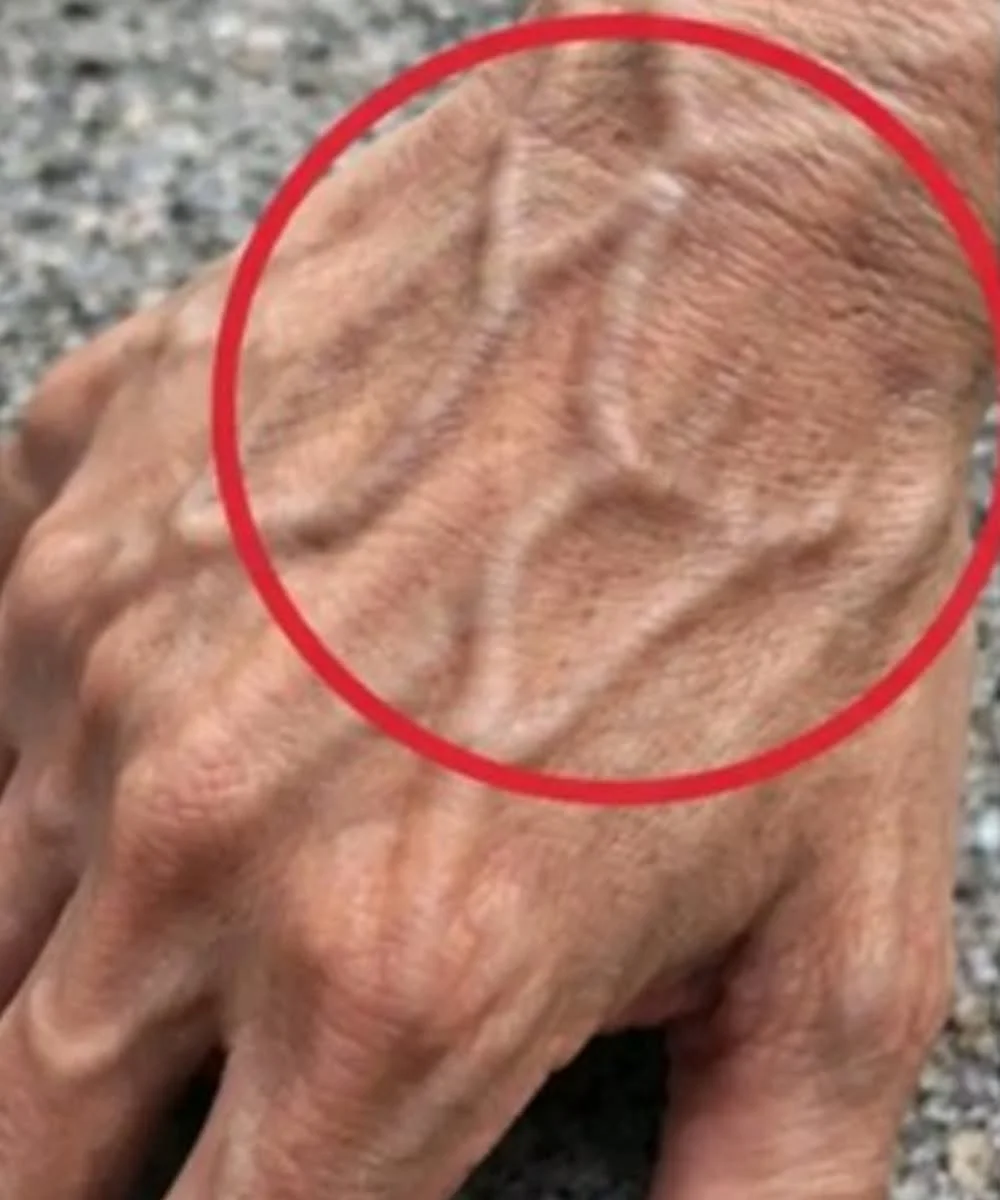
Have you ever looked down at your hands or legs and suddenly noticed that your veins seem much more visible than they used to be? Prominent veins can be completely normal—but a new change, especially when it comes with swelling, pain, warmth, or skin changes, deserves more attention.
For many people, visible veins are simply closer to the surface of the skin. Age, genetics, body composition, and everyday activity can all make them easier to see. But sometimes prominent veins are related to varicose veins or another circulation problem. The key is knowing the difference.
Visible Veins Are Not Always a Sign of a Problem
Veins just beneath the skin are called superficial veins, and they can naturally be visible, particularly on the hands, arms, feet, and legs.
Some people simply have more noticeable superficial veins because of their genetics or because their veins sit relatively close to the skin’s surface. Spider veins are another common example: these are small visible blood vessels that can appear red, blue, or purple and often form web-like patterns.
In other words, seeing a vein doesn’t automatically mean something is wrong with your circulation.
Why Do Veins Become More Noticeable With Age?
One reason veins can stand out more as people get older is that the skin and the tissue beneath it change over time.
The skin becomes thinner and loses some of its underlying cushioning, which can make veins easier to see. At the same time, veins can become more prominent when their walls or valves change.
This is particularly noticeable on the backs of the hands and on the lower legs.


1. Genetics Can Make Your Veins Naturally Prominent
Sometimes the simplest explanation is family resemblance.
If close relatives have always had prominent veins on their hands, arms, or legs, you may have inherited similar anatomy.
The size and location of superficial veins vary from person to person, so two people with similar body types can have very different-looking veins.
If your veins have always been noticeable and aren’t accompanied by concerning symptoms, that is generally different from a vein that suddenly becomes swollen, painful, red, or hard.
2. Losing Body Fat Can Make Veins Easier to See
A change in body composition can also make previously subtle veins stand out.
When there is less tissue between a vein and the surface of the skin, the vein may become more visible. This doesn’t necessarily mean the vein itself has suddenly become abnormal.
That’s why someone may notice much more prominent veins after losing weight even though there isn’t a new vein disorder.
3. Exercise Can Temporarily Make Veins Pop
Physical activity can make veins look more prominent for a while.
During exercise, blood flow increases and muscles work harder. Veins near the skin can therefore become more noticeable, particularly after strenuous activity.
If the veins become less prominent after you cool down and rest, that temporary change is usually quite different from a persistently enlarged or painful vein.
4. Heat Can Make Veins More Noticeable
Have you noticed your veins standing out more after a hot shower or during warm weather?
Temperature can affect blood vessels near the skin, making them appear more prominent.
That can be especially noticeable on the hands, arms, and legs.
A temporary change related to heat is generally less concerning than a vein that remains enlarged and is accompanied by pain, redness, swelling, or warmth.
5. Varicose Veins Are Different
Not every visible vein is a varicose vein.
Varicose veins are usually swollen, twisted, and bulging veins close to the surface of the skin, most commonly in the legs. They can develop when valves inside the veins don’t work properly, allowing blood to flow backward and collect in the vein.
They may look blue or purple and can sometimes cause:
- Aching or heaviness
- Pain after prolonged standing
- Itching around the vein
- Swelling
- Skin changes around the affected area
Varicose veins are common, and many people don’t develop serious complications.
6. Spider Veins Are Smaller and Usually Closer to the Skin
Spider veins can look quite different from varicose veins.
They are typically small red, blue, or purple blood vessels that form lines or branching, web-like patterns.
On their own, spider veins are generally harmless and don’t necessarily cause symptoms. However, they can sometimes occur alongside other venous problems, so persistent symptoms shouldn’t simply be dismissed because the visible vessels are small.

When Visible Veins May Need More Attention
The appearance of a vein matters, but symptoms matter even more.
A vein deserves medical attention if it becomes noticeably different from the surrounding veins and you also develop symptoms such as:
- New swelling
- Pain or tenderness
- Redness
- Warmth over the vein
- A vein that feels hard or unusually firm
- Significant skin-color or skin-texture changes
- A sore that doesn’t heal
Inflammation of a superficial vein, known as superficial thrombophlebitis or superficial vein thrombosis, can cause pain, tenderness, swelling, warmth, redness, and a firm or hardened area along the vein.
A Sudden Change Is More Important Than Simply Having Visible Veins
One useful rule is to compare what you see today with what has been normal for you.
A vein that has been visible for years without causing symptoms is different from a vein that suddenly becomes prominent over a short period.
Likewise, veins that become more visible after exercise or heat and then return toward normal are different from veins that remain swollen or painful.
If you’re unsure whether a change is normal, a healthcare professional can examine the area and determine whether further evaluation is appropriate.
What Can You Do to Support Healthy Leg Circulation?
If prominent veins are accompanied by ordinary symptoms such as leg heaviness or discomfort, several everyday habits can support circulation.
Regular movement is useful because the muscles of the lower legs help push blood back toward the heart. Avoiding long periods of uninterrupted sitting or standing can also help.
If you spend much of the day sitting, getting up and walking periodically is a simple habit worth maintaining.
When resting, elevating your legs can also help with symptoms associated with some venous problems. NHS guidance recommends regular activity and raising the legs while resting for people with varicose veins.


Don’t Automatically Blame Poor Circulation
It’s easy to see prominent blue veins and immediately think, “I must have poor circulation.”
That’s not necessarily true.
Visible superficial veins can simply be a normal feature of your anatomy. Varicose veins, spider veins, and other visible vessels have different appearances and causes.
The important question is whether there are other changes or symptoms accompanying the veins.
That’s why an accurate assessment is more useful than trying to diagnose yourself from a photograph.
When Should You Seek Medical Advice?
Make an appointment with a healthcare professional if visible veins are bothering you, becoming increasingly prominent, or accompanied by persistent pain, swelling, itching, or skin changes.
You should seek urgent medical attention if you develop sudden swelling or pain in one leg, particularly when the symptoms are new and significant. A deep vein thrombosis (DVT) is a blood clot in a deeper vein and requires prompt medical assessment.
And if symptoms suggest a possible clot along with chest pain, sudden shortness of breath, coughing up blood, fainting, or severe difficulty breathing, seek emergency medical care immediately.
These symptoms shouldn’t be explained away as “just visible veins.”
Frequently Asked Questions
Are visible veins normal as you get older?
They can be. Changes in skin thickness and the tissue beneath the skin can make superficial veins easier to see. However, newly prominent veins accompanied by pain, swelling, redness, or other changes should be evaluated.
Does having visible veins mean I have varicose veins?
No. Superficial veins can be naturally visible. Varicose veins are typically enlarged, twisted, and bulging. Spider veins are smaller and have a different appearance.
Can exercise make veins more visible?
Yes. Veins can temporarily become more prominent during or after physical activity. If the change disappears after you cool down and rest, that’s different from a persistent swollen or painful vein.
Should I worry about veins that suddenly become painful?
Yes, a new painful, warm, red, swollen, or hardened vein deserves medical attention because inflammation or a clot in a superficial vein can cause those symptoms.
Can visible veins disappear?
Their appearance can change depending on temperature, activity, body composition, and other factors. Varicose and spider veins may persist, however, and treatment depends on the type of vein problem and whether it is causing symptoms.
The Bottom Line
Visible veins aren’t automatically a warning sign. Genetics, aging, body composition, exercise, heat, and normal anatomy can all make veins easier to see.
What deserves more attention is a new or changing vein accompanied by pain, swelling, warmth, redness, hardness, or significant skin changes.
So don’t panic the next time you notice a prominent vein on your hand or leg. Look at the bigger picture: Is it new? Is it changing? Does it hurt? Is there swelling or another unusual symptom?
Those details are far more useful than the appearance of the vein alone.







