
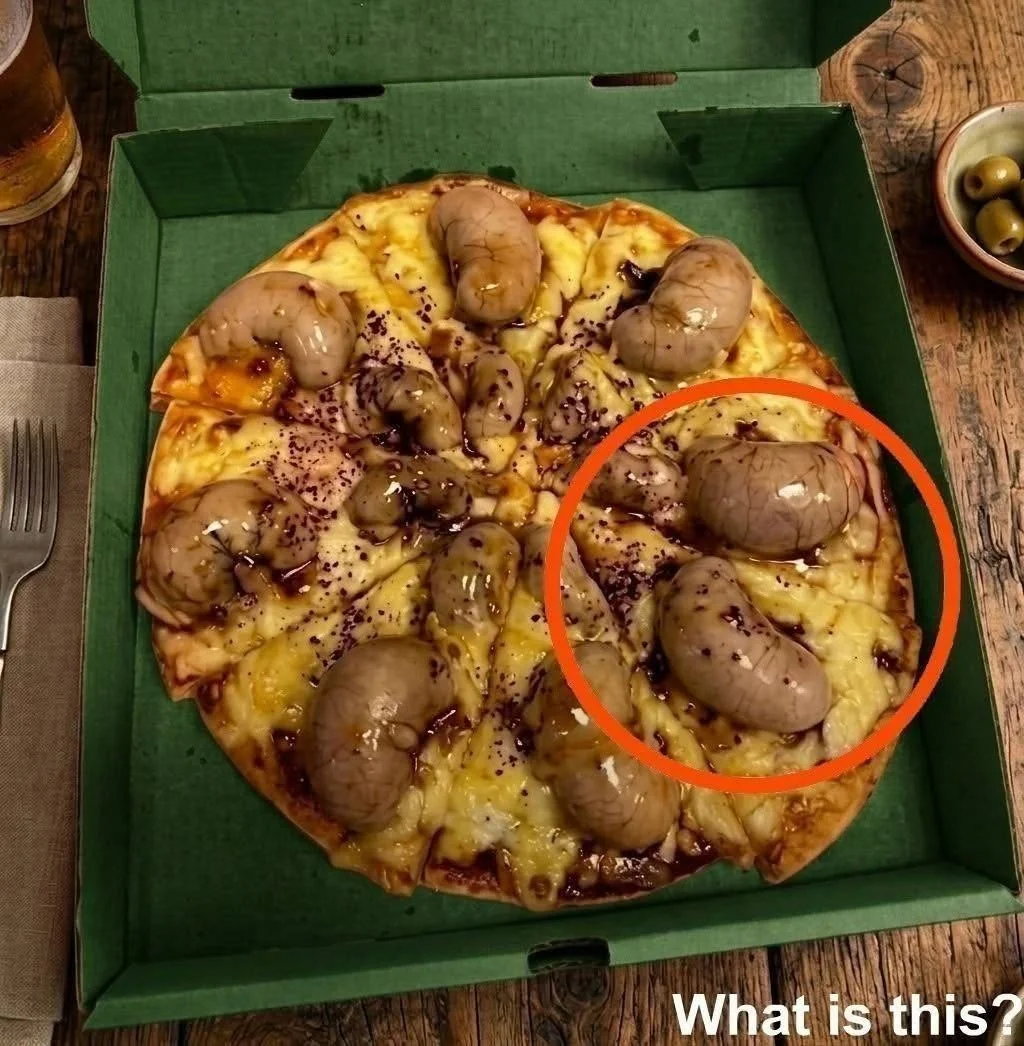
You open the pizza box, lift the lid, and notice something strange: the cheese is puffed up in several round bubbles. It can look almost like something went wrong in the oven—or even make you wonder whether the pizza is safe to eat.
The good news is that bubbles under melted cheese are usually a normal result of baking. Heat causes moisture and trapped air to expand, and the cheese can stretch over those pockets as the pizza cooks. The result is the familiar raised, blistered look you sometimes see on a freshly baked pie.
But there’s an important distinction: a bubble by itself isn’t usually a problem, while other changes in the pizza can be a reason to stop and take a closer look.
So, What Causes Those Bubbles?
There are actually several things happening inside the pizza while it bakes.
Pizza dough contains water. It also contains pockets of air created during mixing, kneading, and fermentation. Once the pizza enters a very hot oven, the temperature rises quickly.
That heat causes moisture to turn into steam and trapped gases to expand.
At the same time, the cheese softens and melts.
If a pocket of steam or air pushes upward underneath the cheese, the cheese stretches over it instead of immediately breaking. That’s how you can end up with a rounded, shiny dome sitting on top of the pizza.
Sometimes the bubble is tiny.
Sometimes it’s large enough to make one section of the cheese look almost inflated.
Neither appearance automatically means the pizza has spoiled.
What You’re Seeing in the Photo Is a Good Example


The large raised areas on a pizza like this can look unusual because they’re much more noticeable than the small bubbles you normally see across melted cheese.
But the appearance itself isn’t enough to conclude that something is wrong.
If the cheese is normally melted, the crust looks properly baked, and there are no strange odors, unexpected colors, or other signs of spoilage, the bubbles are generally just part of how the pizza cooked.
Why Are Some Pizza Bubbles So Big?
Several factors can make the bubbles more noticeable.
1. High oven heat
Pizza is normally cooked at a high temperature compared with many everyday baked dishes.
The faster the heat reaches the dough and toppings, the more quickly moisture and trapped gases expand.
That can produce dramatic pockets underneath the cheese.
2. The dough has air pockets
A well-fermented pizza dough isn’t completely dense.
It contains tiny pockets of gas throughout the dough. When those pockets heat up, they expand.
Some stay small.
Others combine or expand enough to create a visible bubble.
3. The cheese can trap steam
Melted cheese forms a flexible layer over the pizza.
If steam rises underneath it, the cheese may stretch rather than immediately release the steam.
That’s why the bubble can look almost like a little balloon.
4. The toppings can affect how heat moves
Cheese, sauce, vegetables, and meat don’t all heat at exactly the same rate.
Moist ingredients can release water as they cook, creating additional steam in localized areas.
A section of pizza with more moisture can therefore behave differently from a drier section.
Are Cheese Bubbles a Sign That the Pizza Is Undercooked?
Not necessarily.
This is one of the easiest assumptions to make when you see a big bubble.
A bubbly cheese surface doesn’t tell you whether the entire pizza is properly cooked.
Instead, look at the pizza as a whole.
The crust should be baked rather than doughy.
The center shouldn’t have the appearance of raw dough.
And any meat toppings should be properly cooked.
A pizza can have beautifully browned cheese and still have an undercooked center if it was rushed through the oven. Conversely, a pizza can have dramatic cheese bubbles and still be completely baked.
The bubble itself isn’t a reliable doneness test.
Why Does the Cheese Sometimes Get Brown Around the Bubble?

This is another normal part of high-heat pizza baking.
The raised cheese surface is exposed directly to the hot oven environment. As the cheese continues cooking, its surface can brown and develop darker spots.
That’s actually one of the characteristics many people enjoy about a well-baked pizza.
You may see:
- Golden brown spots
- Darker toasted areas
- Small blisters
- Puffy cheese pockets
- Slightly crisp edges around some bubbles
Those features don’t automatically indicate burning or spoilage.
The important thing is the overall condition of the pizza.
Why Does One Pizza Bubble More Than Another?
This can happen even when two pizzas are made with nearly identical ingredients.
The dough may have a slightly different amount of trapped air.
The cheese may be distributed differently.
One pizza may have more moisture from toppings.
The oven temperature may fluctuate.
Even the position of the pizza inside the oven can influence how it browns.
That’s why one slice might come out almost perfectly flat while another has a huge cheese bubble.
It doesn’t necessarily mean one pizza was made incorrectly.
Does the Type of Cheese Matter?
Absolutely.
Different cheeses behave differently when heated.
Some melt into a relatively smooth layer.
Others become stretchy and blister more easily.
Mozzarella is particularly well known for its ability to melt and stretch, which makes it a common choice for pizza.
The moisture level, fat content, thickness of the cheese layer, and oven temperature can all influence how it behaves.
A thick layer of cheese is also more likely to produce noticeable pockets than a very thin layer.
What About the Dough Underneath?
Sometimes what looks like a cheese bubble is actually connected to what’s happening underneath.
Pizza dough can develop large air pockets during fermentation.
When that dough reaches the oven, the gas expands and the dough rises.
If cheese is sitting over that area, it can rise along with the dough.
That’s why you may occasionally see a large dome that looks like it’s entirely in the cheese when the real cause started underneath.
This is one reason properly fermented pizza dough can develop such an interesting texture.
Can You Pop the Bubble?
You can, but you don’t need to.
If you’re making pizza at home and notice a large bubble forming during baking, some cooks gently puncture it to let trapped steam escape.
If you do this, be careful. Hot steam can burn you.
And if the pizza is already finished, there’s generally no reason to poke at the bubble just because it looks unusual.
It’s harmless from a purely visual standpoint.
If you’re dealing with a very large bubble that is causing uneven cooking, however, adjusting the dough preparation or baking technique next time is usually a better solution than repeatedly puncturing finished pizzas.
How to Get More Evenly Melted Cheese at Home
If your goal is a pizza with fewer dramatic bubbles, there are a few things you can control.
Spread the cheese evenly
Don’t pile most of the cheese into one small area.
An even layer gives the cheese a more consistent chance to melt.
Avoid excessive moisture
Wet toppings can release a surprising amount of water during baking.
Drain ingredients such as very wet vegetables before putting them on the pizza.
Don’t overload the pizza
A mountain of toppings can interfere with how heat reaches the dough.
It can also make the center stay wetter for longer.
Use the right oven temperature
Pizza needs enough heat to cook properly and develop a good crust.
If the oven is too cool, you may end up with a pale crust and a longer cooking time.
If it’s extremely hot, the surface can blister rapidly.
The best temperature depends on the dough, oven, pan, and style of pizza you’re making.
When Should You Actually Be Concerned?
This is the part that’s more important than the bubbles themselves.
A bubble is not the same thing as spoilage.
If you open a fresh pizza and notice a raised area underneath the cheese, don’t automatically throw the pizza away.
Instead, look for other warning signs.
Be cautious if the pizza has:
- A strong unpleasant or rotten odor
- Unusual fuzzy growth
- Unexpected mold
- Strange discoloration that doesn’t belong to the ingredients
- A slimy or obviously spoiled texture
- Meat toppings that appear improperly cooked
- Evidence that the pizza was stored improperly or left at unsafe temperatures
In those situations, the issue isn’t the bubble. The issue is the overall condition and handling of the food.
And if you aren’t sure whether food has been kept safely, don’t rely on appearance alone. When in doubt, it’s safer to discard it.
What If the Bubble Is Filled With Liquid?
A little moisture underneath cheese isn’t necessarily unusual.
Hot ingredients release water as they cook, and steam can collect beneath the cheese.
But if you notice an unusual amount of liquid along with a strange smell, slimy texture, or other signs that the food has deteriorated, that’s a different situation.
Again, don’t judge safety from the bubble alone.
Look at the entire pizza and consider how it was stored and handled.
Why Do Restaurant Pizzas Often Have More Blisters?
Restaurants and pizzerias often use ovens that reach considerably higher temperatures than a typical home oven.
The dough can cook very quickly, creating rapid expansion and intense browning.
That’s one reason restaurant-style pizza may have:
- Puffy crust edges
- Dark spots
- Blistered cheese
- Crispy bubbles
- Uneven browning
Those aren’t necessarily defects.
In many pizza styles, they’re exactly what the cook is trying to achieve.
Is a Big Cheese Bubble Dangerous?
Usually, no.
A large bubble created during baking is generally just a physical result of heat, moisture, air, and the way the cheese and dough are structured.
The important thing is not to confuse an unusual appearance with a food-safety problem.
If the pizza otherwise looks and smells normal and was handled properly, a bubble under the cheese isn’t by itself a reason to panic.
The Simple Explanation
Think of the pizza as a small cooking environment.
The oven heats the dough.
Moisture turns into steam.
Air and gases expand.
The cheese melts.
Those gases and steam need somewhere to go.
When they push upward against a flexible layer of melted cheese, the cheese rises and forms a bubble.
That’s really all that’s happening.


Final Takeaway
The next time you open a pizza box and see a strange-looking dome underneath the cheese, don’t assume something is wrong just because the surface isn’t perfectly flat.
Those bubbles are usually created by the simple physics of baking: heat expands trapped air and turns moisture into steam, while melted cheese stretches over the pockets underneath.
What matters more is the whole pizza—how it smells, looks, feels, how thoroughly it’s cooked, and whether it was stored safely.
So if your pizza has a few dramatic bubbles like the one in the photo, there’s usually no mystery to solve.
It’s simply the oven showing you what happened underneath the cheese.







