PART 1
The sunflowers were already there when I arrived.
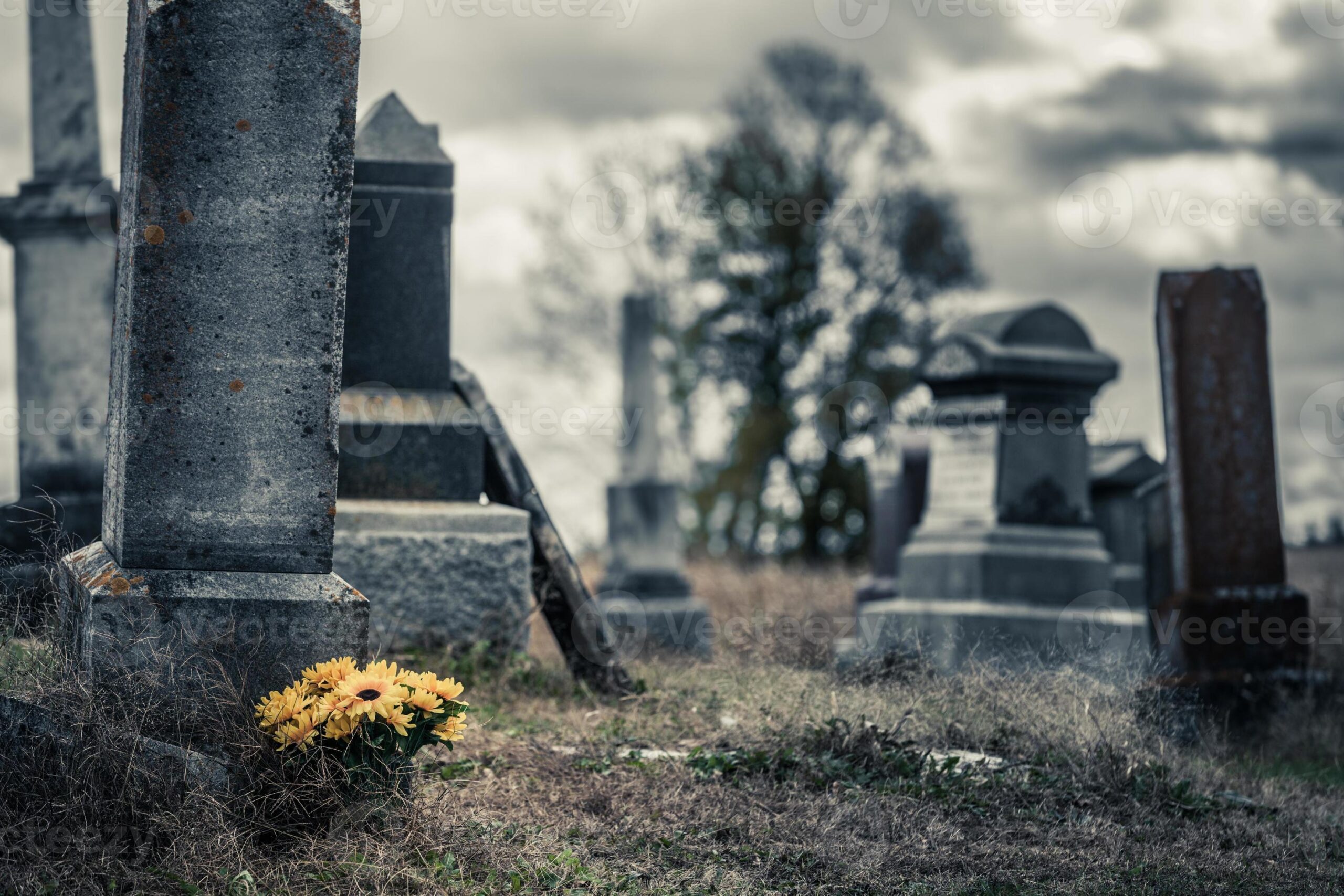
Three months. Every Tuesday, like clockwork. I’d find them propped against Elena’s headstone — bright, vulgar, alive against the gray marble. Not roses. Not lilies. Sunflowers. Elena’s favorite. The flower I’d brought her on our first date, on the day I proposed, on the morning the cancer finally took her. I’d buried her on a Tuesday. And every Tuesday since, someone had been leaving her sunflowers.
I never saw who. Until today.
I’d parked my truck behind the oak tree at 6:45 a.m., coffee gone cold in my hands, condensation dripping down the paper cup onto my jeans. The cemetery was empty. Fog sat low between the stones, swallowing sound. Then I heard footsteps — sneakers on gravel, light and quick. A girl. Maybe sixteen, seventeen. Black hoodie pulled tight, backpack sagging on one shoulder. She didn’t look around. She walked straight to Elena’s plot, pulled three sunflowers from her bag, and laid them down with a gentleness that made my throat close.
She whispered something I couldn’t hear. Then she left.
I waited until she reached the gates before I started my engine.
She walked six blocks to the bus stop on Hawthorne. I pulled over two cars behind, heart hammering against my ribs like a trapped bird. What was I doing? Stalking a teenager? But the sunflowers. The precision of it. The knowing. Elena had been gone for two years. Two years of silence, of empty drawers, of her side of the bed growing cold. And suddenly this ghost in a hoodie knew things no one should know.
The bus came. She climbed on. I followed.
Three stops later, she got off in a part of town I didn’t recognize — rows of faded duplexes, chain-link fences, lawns gone to dirt. A pit bull barked behind a fence. She walked to a green house with a porch light still burning, though dawn had broken an hour ago. Before she reached the door, I got out of my truck.
“Hey,” I called. My voice cracked.
She turned. Up close, she was younger than I thought. Fifteen, maybe. Brown eyes too wide for her face. Freckles across her nose. Something about her cheekbones made my chest ache in a way I couldn’t name.
“You’re the one leaving the flowers,” I said. It wasn’t a question.
She didn’t run. She didn’t even look surprised. She reached into her backpack and pulled out an envelope. Yellowed at the edges. My name — David — written on the front in handwriting I’d have recognized in the dark. Elena’s handwriting. The way she crossed her ‘t’s with a little flick, like she was always in a hurry to get to the next word.
“She told me to give you this,” the girl said, her voice steady, “if I ever found you.”
I took it with numb fingers. The paper was thin, worn soft by time. The postmark was faded, but the date in the corner stopped my breath: April 14, 2006. Eighteen years ago. Two years before I ever met Elena at that bookstore reading. Two years before she told me she’d never loved anyone before me.
I opened it.
The first line read: My dearest daughter, if you’re reading this, it means you finally found him.
And below that, a photograph slipped from the fold and fell into my palm. A young woman — nineteen, twenty — holding a newborn against her chest in a hospital gown. The woman’s eyes were Elena’s, unmistakable, even that young. The baby’s nose was mine. The same bump, the same slope. I looked up at the girl standing before me, really looked, and felt the world tilt.
“Who are you?” I whispered.
She pulled down her hood. The morning light caught her hair — auburn, like Elena’s had been before the chemo took it.
“I’m Maya,” she said. “And I think you might be my father.”
Widower Follows Girl to Wife’s Grave. the Letter Dated 18 Years Ago Shatters Him

Author: Isabel Martín
Published: