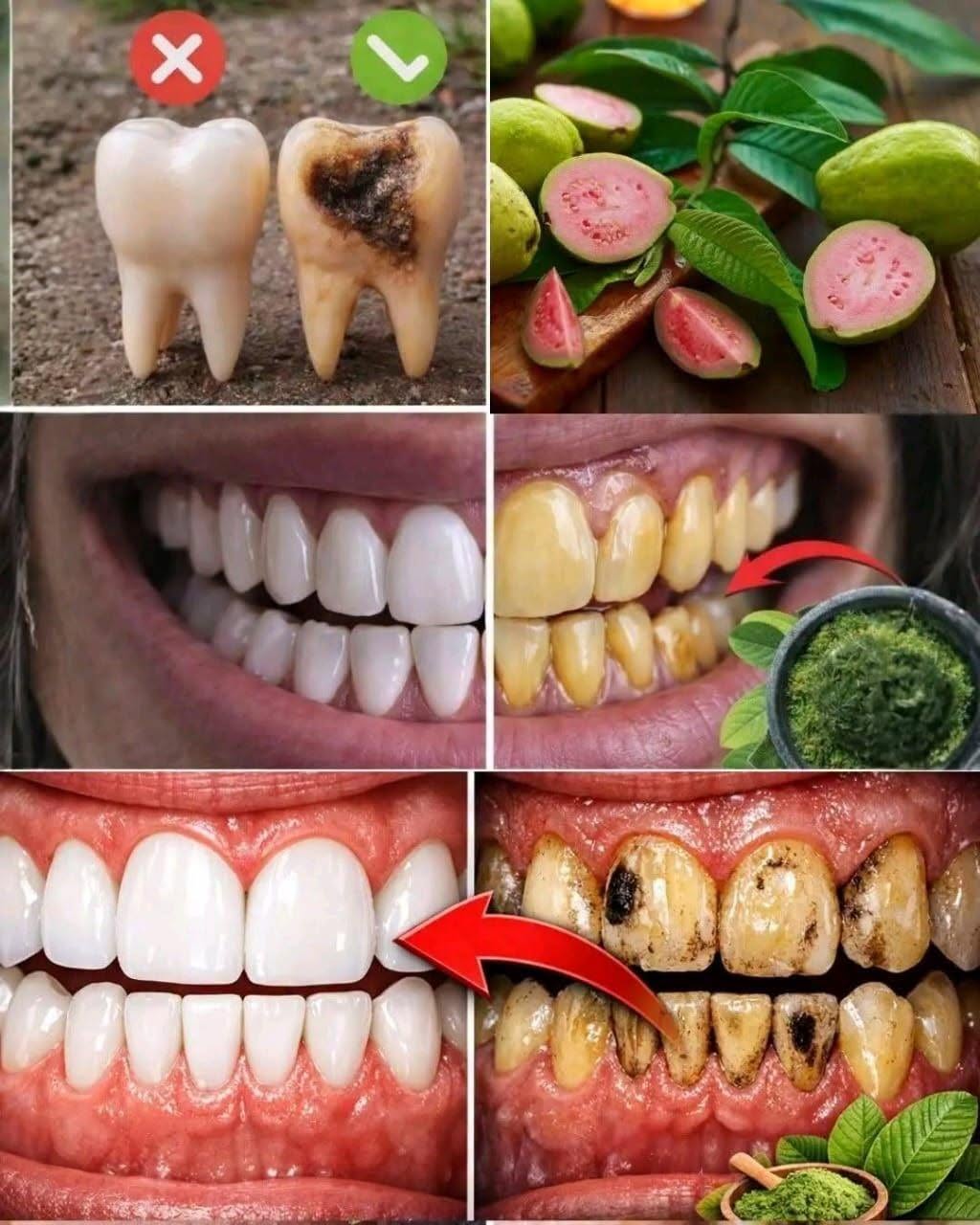
Guava leaves have been used in traditional wellness practices for generations. While guava fruit is widely appreciated for its nutritional value, the leaves of the guava tree (Psidium guajava) have also attracted attention because they contain naturally occurring plant compounds, including flavonoids, tannins, and polyphenols.
These compounds have been studied for their antioxidant and potential antimicrobial properties. Some researchers have also explored whether guava leaf extracts could play a supporting role in maintaining healthy gums and reducing plaque.
Although these findings are interesting, guava leaves should not be considered a replacement for professional dental care. However, learning about traditional guava leaf preparations can help readers better understand this popular natural ingredient.
Here are three ways guava leaves have traditionally been incorporated into oral care routines, along with important safety information.
1. Guava Leaf Mouth Rinse
One traditional way to use guava leaves is by preparing a simple herbal infusion that can be used as an occasional mouth rinse.
Guava leaves contain plant compounds that researchers have investigated for their potential effects on certain microorganisms. However, a homemade preparation has not been proven to prevent cavities or treat gum infections.
Ingredients
- 6–8 fresh guava leaves
- 2 cups of clean water (approximately 500 ml)
- A small saucepan
- A clean container and strainer
Preparation
- Wash the leaves: Rinse the guava leaves thoroughly under clean running water to remove dirt and visible impurities.
- Boil the water: Pour approximately 500 ml of clean water into a saucepan and bring it to a boil.
- Add the leaves: Place the washed leaves into the boiling water.
- Simmer gently: Reduce the heat and allow the mixture to simmer for approximately 10 minutes.
- Let it steep: Turn off the heat, cover the saucepan, and allow the leaves to steep for another five minutes.
- Strain and cool: Remove the leaves using a clean strainer and allow the liquid to cool completely.
The resulting infusion may have a light brown or golden-green color.
If you choose to use this traditional preparation, avoid swallowing it and discontinue use if irritation occurs. It should not replace fluoride toothpaste, dental floss, or professional dental treatment.
2. Guava Leaf Herbal Infusion
Another traditional preparation involves steeping guava leaves in hot water. This method is relatively simple and requires only a few ingredients.
Guava leaves naturally contain several plant compounds, including polyphenols and flavonoids. These substances are being studied for their potential biological properties, although more research is needed to establish their benefits for everyday dental health.
Ingredients
- 4–5 fresh guava leaves
- 1 cup of boiling water (250 ml)
- A clean, heat-resistant cup or teapot
Preparation
- Wash the guava leaves carefully under clean running water.
- Remove any thick stems and cut the leaves into smaller pieces.
- Place the leaves inside a clean, heat-resistant container.
- Pour approximately 250 ml of freshly boiled water over them.
- Cover the container and allow the mixture to steep for about 10 minutes.
- Strain the liquid and allow it to cool completely.
There is not enough clinical evidence to conclude that drinking guava leaf tea prevents tooth decay, strengthens enamel, or treats gum disease.
Anyone considering herbal preparations for oral health should remember that natural ingredients are not automatically safe or effective for every person.
3. Guava Leaves as Part of a Gentle Oral Care Routine
Guava leaves have a history of traditional use in natural oral hygiene. Nevertheless, directly rubbing crushed leaves against teeth or gums is not recommended because plant particles may irritate sensitive oral tissues.
A more reliable approach is to focus on established dental hygiene practices while treating herbal preparations as optional additions rather than proven treatments.
Essential Items for Daily Oral Hygiene
- A soft-bristled toothbrush
- Fluoride toothpaste
- Dental floss or interdental brushes
- Clean drinking water
Simple Steps for Healthier Teeth and Gums
Step 1: Brush Twice a Day
Brush your teeth for two minutes, twice daily, using fluoride toothpaste. Pay particular attention to the gumline and the surfaces of your back teeth.
Step 2: Clean Between Your Teeth
Use dental floss or interdental brushes daily. These tools help remove plaque and food particles from areas that a regular toothbrush may not reach effectively.
Step 3: Avoid Frequent Sugary Snacks
Frequent exposure to sugary foods and drinks can increase the risk of tooth decay. Choosing water more often and limiting sugary snacks can support better oral health.
Step 4: Maintain Regular Dental Checkups
Professional dental examinations can help identify early signs of cavities, gum inflammation, and other oral health concerns before they become more serious.
What Makes Guava Leaves Interesting for Oral Health?
Guava leaves contain several naturally occurring compounds that have attracted scientific interest.
Antioxidant Compounds
Flavonoids and polyphenols found in guava leaves have demonstrated antioxidant activity in laboratory research. Antioxidants are compounds that help protect cells against oxidative stress.
Potential Antimicrobial Properties
Researchers have investigated guava leaf extracts for their activity against certain microorganisms, including bacteria associated with oral health.
However, laboratory findings do not automatically translate into proven benefits from homemade preparations. More well-designed clinical studies are necessary to determine how effective these products may be in everyday dental care.
Traditional Use in Gum Care
Guava leaves have been used in traditional preparations intended to support oral hygiene. Some clinical research has explored specially formulated guava leaf mouthwashes as additional support for people with gum inflammation.
A randomized clinical trial published in 2019 investigated a guava leaf extract mouthwash alongside professional dental cleaning. The findings were promising, but the researchers noted that further studies were needed to establish its long-term effectiveness.
A more recent clinical trial published in 2026 also examined a standardized guava leaf mouthwash as an addition to professional dental treatment. These findings should not be interpreted as proof that homemade guava leaf mixtures provide the same results.
Can Guava Leaves Repair Tooth Decay?
No. Guava leaves cannot repair a permanent cavity or rebuild tooth structure that has already been lost.
Tooth decay develops when acids produced by bacteria gradually damage tooth enamel. In some very early stages, fluoride may help remineralize weakened enamel before a cavity develops.
However, once a permanent hole forms, professional dental treatment is generally necessary. Depending on the condition of the tooth, a dentist may recommend a filling, crown, or another appropriate procedure.
Dark spots, persistent tooth sensitivity, visible holes, and ongoing toothaches should be evaluated by a dental professional rather than treated with homemade herbal mixtures.
Important Precautions Before Using Guava Leaves
Although guava leaves are natural, homemade preparations are not automatically suitable for everyone.
Keep these precautions in mind:
- Wash fresh leaves thoroughly before preparing an infusion.
- Avoid leaves that may have been exposed to pesticides, chemicals, or environmental pollution.
- Never use a hot preparation inside your mouth.
- Do not apply concentrated plant extracts directly to damaged gums.
- Avoid using herbal preparations if you have a known sensitivity or allergy to guava.
- Stop using the preparation if you experience irritation or an unusual reaction.
- Do not replace prescribed dental treatments with homemade remedies.
If you experience persistent gum bleeding, swelling, severe tooth pain, or signs of a dental infection, arrange an appointment with a dentist. Facial swelling, fever, or difficulty swallowing requires prompt medical attention.
5 Daily Habits That Help Protect Your Teeth and Gums
Maintaining good oral health is usually more effective when several simple habits become part of your daily routine.
- Brush your teeth twice daily with fluoride toothpaste.
- Clean between your teeth every day using floss or interdental brushes.
- Limit frequent consumption of sugary foods and drinks.
- Drink water regularly, particularly after meals.
- Visit a dental professional regularly for examinations and recommended cleaning.
These established habits are more reliable for preventing common dental problems than depending on a single natural ingredient.
Final Thoughts
Guava leaves are an interesting traditional ingredient that continues to attract scientific attention because of their antioxidant and potential antimicrobial properties.
Research involving specially formulated guava leaf mouthwashes has shown promising results when used alongside professional dental care. However, the evidence is still developing, and homemade guava leaf preparations have not been established as treatments for cavities, gum disease, or dental infections.
For healthier teeth and gums, the best approach remains consistent brushing with fluoride toothpaste, daily cleaning between the teeth, a balanced diet, and regular dental checkups.
Natural ingredients can be interesting additions to traditional wellness discussions, but they should never replace proven dental care or professional advice.
Important Medical Disclaimer
This article is for general informational and educational purposes only. It is not medical advice and should not be considered a recommendation to use toothpaste and Vaseline as a skin treatment. Always consult a qualified healthcare professional or dermatologist before trying this or any other homemade skin-care remedy, especially if you have sensitive skin, an existing skin condition, or unexplained irritation. Individual reactions can vary. Stop using any product that causes discomfort and seek professional medical advice when necessary.