
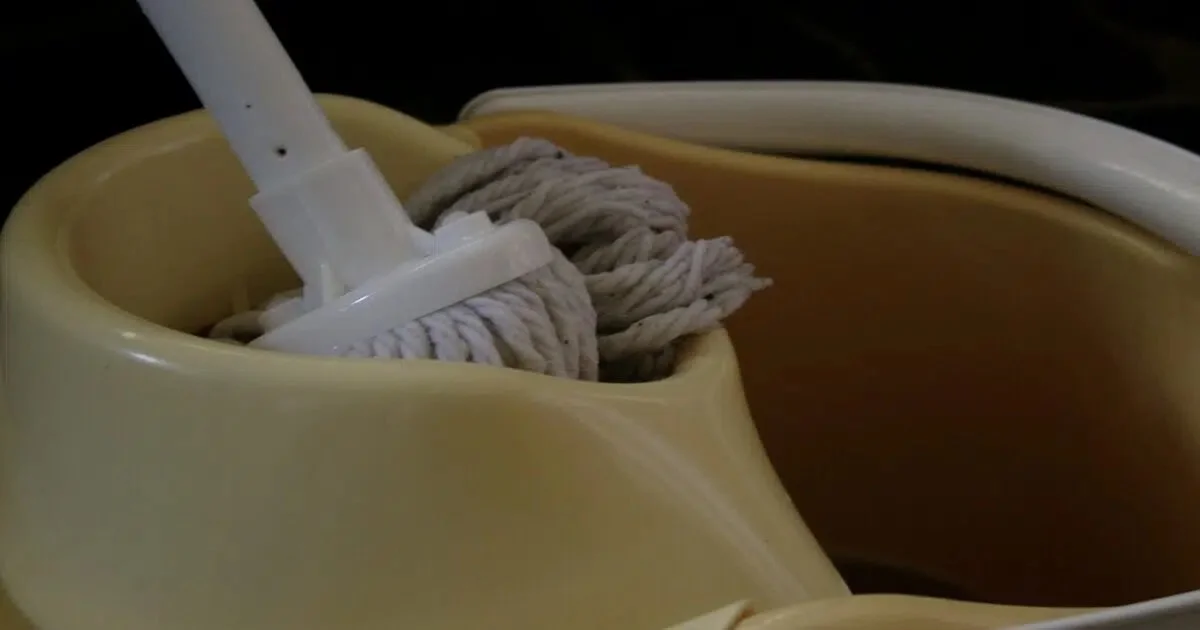
Add This to Your Mop Water for Floors That Stay Dust-Free All Week
Keeping floors clean can feel like a never-ending battle. You sweep, vacuum, and mop, only to notice a new layer of dust the very next day. Between pets, kids, foot traffic, and open windows, it often seems impossible to keep your floors looking freshly cleaned for long.
Fortunately, a few simple household ingredients can help your floors stay cleaner between mopping sessions. While no cleaning solution can completely stop dust from settling, the right combination of cleaners can remove dirt, reduce static, and leave floors looking fresher for longer.
A Simple Mop Water Recipe
Instead of using plain water, try adding a few common household ingredients to your mop bucket.
You’ll need:
- 1 gallon of warm water
- 1 tablespoon of salt
- 1 teaspoon of liquid dish soap
- 1/4 cup of white vinegar (or fresh lemon juice)
- 2 tablespoons of rubbing alcohol
- 1 teaspoon of baking soda
- 1 small capful of fabric softener
Stir everything gently until well mixed. Dip your mop into the solution, then wring it out thoroughly before cleaning your floors.
What Each Ingredient Does
Each ingredient serves a different purpose.
Salt
Salt helps loosen stubborn dirt and grime while acting as a mild natural disinfectant. It can also help remove dried-on debris that regular water struggles to lift.
Dish Soap
A small amount of dish soap cuts through grease, sticky residue, and everyday dirt without leaving heavy buildup. Be careful not to add too much, as excess soap can leave streaks.
White Vinegar or Lemon Juice
Both vinegar and lemon juice help dissolve mineral deposits, remove odors, and leave floors looking brighter. Their mild acidity helps break down residue that attracts dirt.
Rubbing Alcohol
Rubbing alcohol evaporates quickly, helping floors dry faster and reducing streaks. It can also help sanitize hard surfaces.
Baking Soda
Baking soda gently deodorizes and helps lift stubborn dirt without scratching most hard flooring surfaces.
Fabric Softener
Many homeowners swear by adding a small amount of fabric softener because it reduces static electricity. Less static means dust is less likely to cling to the floor immediately after cleaning. It also leaves behind a pleasant scent.
Why Floors Stay Cleaner Longer
This mixture removes grease, dirt, and residue more effectively than plain water alone. Clean surfaces naturally attract less dust than oily or sticky ones.
The small amount of fabric softener may also help reduce static, making dust less likely to settle as quickly. While it won’t keep floors dust-free for an entire week in every home, many people notice they stay cleaner longer than with ordinary mopping.
Best for Different Floor Types
Not every floor should be cleaned the same way.
Tile Floors
Tile is one of the best surfaces for this cleaning solution. It removes grime while leaving tiles shiny and fresh.
Vinyl Floors
Luxury vinyl plank (LVP) and sheet vinyl generally respond well to this mixture when used sparingly with a well-wrung mop.
Laminate Flooring
Use only a slightly damp mop. Too much moisture can seep into seams and cause swelling over time.
Hardwood Floors
Solid hardwood requires extra care. Excess water can damage the wood, and vinegar may dull certain finishes with repeated use. If you have sealed hardwood, use only a very small amount of vinegar or skip it entirely if recommended by the flooring manufacturer.
Natural Stone
Avoid vinegar or lemon juice on marble, limestone, travertine, or other natural stone floors. Acidic cleaners can permanently damage these surfaces. Instead, use a pH-neutral stone cleaner.
Tips for Better Results
A few simple habits can help your floors stay cleaner between mopping sessions.
- Sweep or vacuum thoroughly before mopping.
- Wring out the mop well so it is damp, not soaking wet.
- Change the cleaning solution if it becomes dirty.
- Open windows or turn on ceiling fans to speed up drying.
- Place doormats at every entrance to reduce dirt tracked inside.
- Remove shoes indoors whenever possible.
Common Mistakes to Avoid
Even a good cleaning solution won’t work well if these mistakes are made.
- Using too much dish soap, which can leave a sticky residue.
- Soaking hardwood or laminate flooring.
- Using vinegar on natural stone surfaces.
- Mopping without sweeping first.
- Reusing dirty mop water throughout the house.
Does This Hack Really Work?
Many people find that this homemade solution leaves their floors looking cleaner for longer, especially on tile and vinyl flooring. The combination removes dirt effectively, helps reduce odors, and dries quickly thanks to the rubbing alcohol.
However, it’s important to have realistic expectations. Dust is constantly entering your home through doors, windows, HVAC systems, and everyday foot traffic. No cleaning solution can completely prevent dust from settling for an entire week. The best results come from combining regular mopping with good dust-control habits, such as changing HVAC filters, vacuuming frequently, and using entry mats.
Final Thoughts
If you’re tired of seeing dust return just days after mopping, this simple homemade floor cleaner is worth trying. It uses inexpensive household ingredients that work together to remove dirt, reduce static, and leave hard floors looking fresh and clean.
Used correctly—and on the right flooring surfaces—it can help reduce the amount of dust and grime that builds up between cleanings, making weekly floor care a little easier and your home feel fresher every day.