Skip to content

Baking Soda in the Garden: 5 Surprising Uses Every Gardener Should Know
Gardening is an incredibly rewarding hobby, but it often comes with some unexpected challenges. If you’re like many gardeners, you may find yourself battling pests, struggling with soil acidity, or searching for natural fertilizers. Enter baking soda—a common household item that can work wonders in the garden. Not only is it affordable and readily available, but it also offers a variety of surprising benefits for your plants. Let’s dive into five innovative ways to use baking soda in your garden that will leave your plants thriving!
Why This Works
Baking soda, or sodium bicarbonate, is a versatile compound known for its numerous health benefits in baking, cleaning, and even gardening! Due to its alkaline nature, it can help balance soil pH, repel pests, and promote healthy plant growth. This magical powder is not just for baking cookies or cleaning the kitchen—it’s a game changer for your garden!
1. Fungus Fighter
One of the most remarkable uses of baking soda is as a natural fungicide. If you notice powdery mildew or other fungal diseases on your plants, sprinkle a mixture of baking soda and water onto the affected areas. The sodium bicarbonate creates an alkaline environment that makes it difficult for fungi to thrive.
Step-by-Step:
- Mix 1 tablespoon of baking soda with 1 gallon of water.
- Add a few drops of dish soap to help the mixture adhere to the leaves.
- Spray onto the affected plants weekly until the fungus is gone.
2. Pest Control
Say goodbye to pesky aphids and other soft-bodied insects! Baking soda can act as a deterrent to pests while being safe for beneficial insects like bees and ladybugs. Its non-toxic nature makes it an ideal choice for organic gardening.
Step-by-Step:
- Mix 1 tablespoon of baking soda with 1 tablespoon of vegetable oil and 1 quart of water.
- Shake well and spray on infested plants.
- Repeat every few days until the pest problem is resolved.
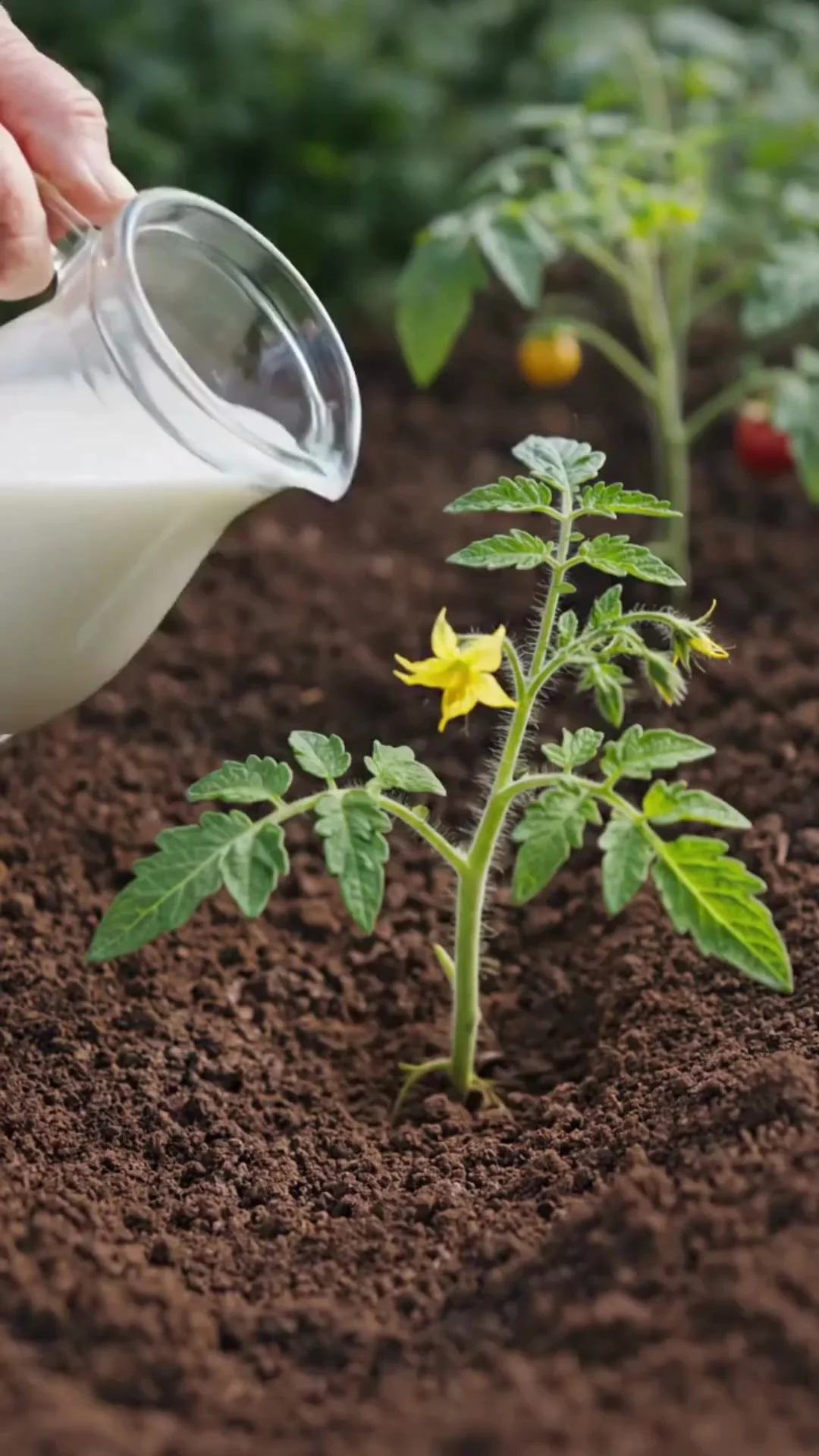
3. Tomato Growth Booster
If you’re hoping for a bountiful tomato harvest, adding baking soda can help! When used in moderation, baking soda can reduce the acidity of the soil, benefiting tomato plants that prefer slightly less acidic conditions.
Step-by-Step:
- At planting time, mix 1 teaspoon of baking soda into the soil around each tomato plant.
- Water deeply to help the baking soda dissolve and reach the roots.
- Monitor the plants for signs of growth and adjust the baking soda accordingly in future planting seasons.
4. Weeding Solution
Weeds can be the bane of every gardener’s existence. Fortunately, baking soda can be a powerful ally. The sodium in baking soda can dehydrate many pesky weeds, making it an effective, natural solution.
Step-by-Step:
- Identify areas of weed growth.
- Sprinkle baking soda directly onto weed leaves, avoiding your desired plants.
- Water lightly if necessary, but baking soda will work well when dry.
5. Soil pH Balancer
If your garden soil is too acidic, adding baking soda can help raise the pH to a more neutral level, promoting healthier plant growth. This is especially useful for gardens planted with flowers and vegetables that dislike acidic soil.
Step-by-Step:
- Test your soil pH using a home testing kit.
- For each square foot of garden area, apply 1 to 3 tablespoons of baking soda based on the soil’s acidity level.
- Mix the baking soda into the top layer of soil before planting.
Expected Results
By incorporating baking soda into your gardening routine, you’ll see a healthier garden. From fighting off fungi and pests to promoting the growth of your plants, these simple applications can make a significant impact. Expect to see vibrant tomato plants, reduced pest activity, and weeds under control!
Extra Tips
- Always test a small area before applying baking soda widely to ensure no adverse reactions occur with specific plants.
- Store your baking soda in a cool, dry place to maintain its effectiveness over time.
- Combine baking soda treatments with other natural gardening practices for best results.
Conclusion
Baking soda is a true multitasker in the garden, providing solutions for common problems while being safe and easy to use. By harnessing the power of this humble household ingredient, you can enhance your gardening experience and enjoy the fruits of your labor. So go ahead and give these techniques a try—your garden will thank you! Happy gardening!