Skip to content

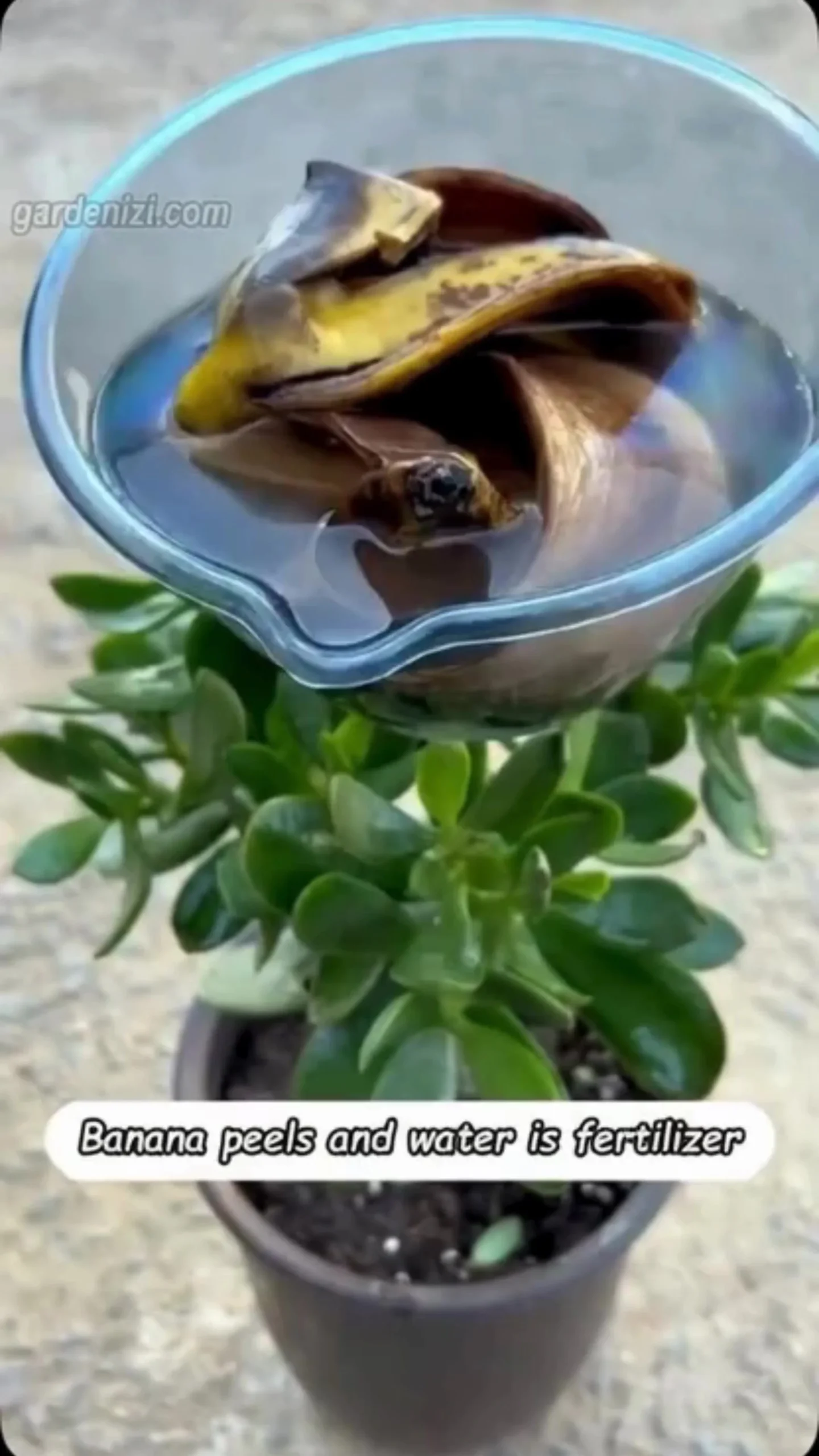
What Happens When You Give Banana Peels Natural Liquor to Plants?
Have you ever thought about giving your plants a little extra something to help them thrive? What if we told you that something as simple as banana peels and a splash of natural liquor could do wonders for your green friends? It sounds surprising, right? Let’s dive deep into this unconventional pairing and unravel the science behind it!
The Surprising Benefits of Banana Peels for Plants
Banana peels are not just kitchen scraps; they are treasure troves of nutrients that can benefit your plants immensely. Packed with potassium, phosphorus, and calcium, banana peels serve as a natural fertilizer, promoting healthy growth and thriving blooms. But, what happens when you mix these nutrient-rich peels with a bit of natural liquor?
Why This Works
The idea behind using banana peels combined with natural liquor rests on the fermentation process. When banana peels ferment, they create a nutrient-dense liquid that can attract beneficial microorganisms. The addition of natural liquor encourages this fermentation, allowing nutrients to break down and become more easily absorbable for your plants. Plus, the alcohol acts as a natural pesticide, helping to keep pests at bay!
Step-by-Step Guide to Using Banana Peels and Natural Liquor on Your Plants
Creating a homemade plant tonic with banana peels and natural liquor is easy and fun! Here’s how to do it:
- Collect Your Ingredients: Gather several banana peels and a small bottle of natural liquor (vodka or rum works well).
- Chop the Peels: Cut the banana peels into small pieces to maximize surface area for fermentation.
- Mix Together: In a glass jar, combine the chopped peels with the natural liquor. Use just enough liquor to cover the peels.
- Seal and Shake: Tightly seal the jar and shake it gently to mix the ingredients.
- Let It Ferment: Set the jar aside in a dark, cool place for about a week. Shake it daily to promote fermentation.
- Strain the Mixture: After a week, strain the mixture to separate the liquid from the solids.
- Dilute: Before using, dilute the liquid with water—about one part tonic to three parts water.
- Feed Your Plants: Water your plants with this mixture once a month to provide them with an organic boost!
Expected Results
When used consistently, this banana peel and liquor tonic can lead to more vigorous plant growth, vibrant flowers, and increased resistance to pests. You might notice greener leaves and a healthier overall appearance in your plants. Plus, you’ll have the satisfaction of recycling what would have been waste and finding a clever use for it!
Extra Tips for Plant Care
- Don’t Overdo It: While this mixture is beneficial, too much can shock your plants. Always start with a diluted mixture.
- Rotate Fertilizers: Incorporate other organic materials, such as compost or worm castings, for a well-rounded nutrient profile.
- Monitor Plant Response: Pay close attention to how your plants respond to this tonic over time—adjust the frequency and concentration based on their needs.
Conclusion
Who knew that the leftovers from your morning smoothie could be so fabulous for your garden? By giving your plants banana peels and a splash of natural liquor, you’re not only recycling but also unlocking amazing growth potential. So, gather those peels, mix up your special tonic, and watch your plants flourish like never before! Try it out and enjoy the incredible results your green thumb can achieve!