There’s nothing more frustrating than cleaning your bathroom only to notice that unpleasant urine smell coming back a few hours later.
You scrub the toilet, mop the floor, spray air freshener—and somehow, the odor is still there.
The problem is that urine odor doesn’t always come from the toilet bowl itself. Small amounts of urine can reach the floor, grout, the area around the toilet base, or other surfaces and leave behind an unpleasant smell.
The good news is that with the right cleaning routine, you can get rid of the odor and keep your bathroom smelling fresh.


Start With the Toilet Bowl
The toilet bowl is the obvious place to start.
Even when the bowl looks clean, residue can build up below the waterline or around the rim. These areas can contribute to unpleasant odors.
Give the bowl a thorough scrub with a toilet brush, paying particular attention to the rim and other areas where buildup may hide.
Try Baking Soda for Lingering Odors
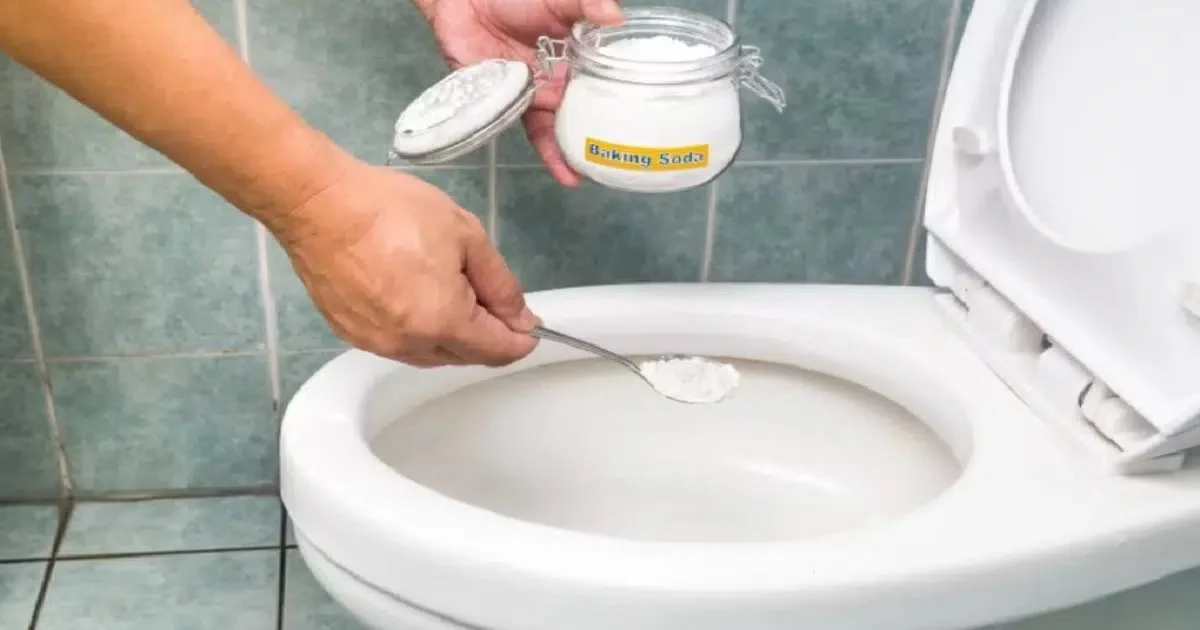
Baking soda is a simple household ingredient that can help neutralize unpleasant smells.
Sprinkle a generous amount into the toilet bowl and let it sit for about 10 to 15 minutes. Then scrub the bowl with a toilet brush and flush.


You can also keep an open container of baking soda in the bathroom to help absorb odors in the surrounding air.
Don’t Forget Around the Toilet
This is one of the most commonly overlooked areas.
When small amounts of urine land around the toilet, they can seep into grout lines or collect around the base.
Over time, that residue can become a source of persistent odor.
Clean the floor around the toilet carefully, especially the area immediately surrounding the base.


Use a suitable bathroom cleaner for the flooring material and follow its instructions.
If you have grout, pay particular attention to the grout lines because porous surfaces can hold onto odors.
Clean the Toilet Seat and Hinges
The toilet seat is another area that deserves attention.
Remove the seat if the manufacturer’s design allows it, or lift it carefully and clean around the hinges.
These small spaces can collect residue, dust, and moisture.
Wipe both the top and underside of the seat and clean around the hinges thoroughly.


Vinegar Can Help With Mineral Residue
White vinegar is often used for cleaning mineral deposits and certain bathroom residues.
For appropriate surfaces, diluted vinegar can help loosen buildup that may contribute to an unpleasant-smelling bathroom.
However, never mix vinegar with bleach or bleach-containing cleaners.
Mixing these products can create dangerous fumes.
If you’re using a commercial bathroom cleaner, check the label and don’t combine it with other cleaning products.
Wash the Bathroom Floor Regularly
If the odor keeps returning, don’t concentrate exclusively on the toilet.
The surrounding floor may be part of the problem.
Sweep or vacuum first to remove loose dirt, then mop the floor using a cleaner appropriate for the flooring material.


Pay special attention to the area around the toilet, behind it, and along nearby walls.
Check the Toilet Base
If you’ve thoroughly cleaned the bathroom but the smell keeps returning, there could be an issue around the toilet itself.
A persistent odor around the base may indicate that liquid is getting underneath the toilet or that there is a plumbing or sealing problem.
In that situation, repeatedly spraying air freshener won’t solve the underlying issue.
If a strong urine-like odor persists despite thorough cleaning, consider having the toilet and plumbing inspected.
Keep the Bathroom Dry
Moisture can make bathroom odors more noticeable.
After cleaning or showering, allow the room to ventilate properly.
Use the exhaust fan when appropriate and leave the bathroom door open afterward if practical.


Good ventilation helps the room dry faster and keeps it feeling fresher.
Don’t Just Cover the Smell
Air fresheners can make a bathroom smell better temporarily, but they don’t remove the source of an odor.
If there’s urine residue somewhere in the room, adding a strong fragrance on top of it may simply create a mixture of smells.
Instead, focus on cleaning the source first.
Once the bathroom is genuinely clean, a mild fresh scent can be a nice finishing touch.
A Simple Bathroom Freshness Routine
To prevent urine odors from building up, make these habits part of your regular cleaning routine:
- Clean the toilet bowl regularly.
- Wipe the toilet seat and hinges.
- Clean around the toilet base.
- Mop the surrounding floor.
- Pay attention to grout and other porous surfaces.
- Keep the bathroom well ventilated.
- Empty the bathroom trash regularly.
- Deal with spills and splashes as soon as possible.


What If the Smell Keeps Coming Back?
A recurring odor deserves a closer look.
If you’ve cleaned the toilet, floor, seat, and surrounding surfaces thoroughly and the smell still returns, don’t assume you simply need a stronger cleaner.
There could be an issue involving:
- The toilet seal
- Plumbing
- A hidden leak
- Porous flooring or grout
- Moisture trapped underneath or around fixtures
In those cases, identifying and fixing the source is more effective than repeatedly treating the smell.
Final Thoughts
A lingering urine smell doesn’t necessarily mean your bathroom is dirty.
Sometimes the odor is coming from a small area that’s easy to overlook—around the toilet base, in grout lines, underneath the seat, or on the surrounding floor.
Start by giving the entire toilet area a thorough clean. Baking soda can help neutralize odors in the bowl, while regular cleaning and ventilation can help keep the room fresher.
And if the smell continues to return despite careful cleaning, look beyond the surface. A persistent odor may be a sign that something underneath or inside the plumbing needs attention.
Clean the source, keep the bathroom dry, and ventilate regularly—and that stubborn bathroom smell can become a thing of the past.