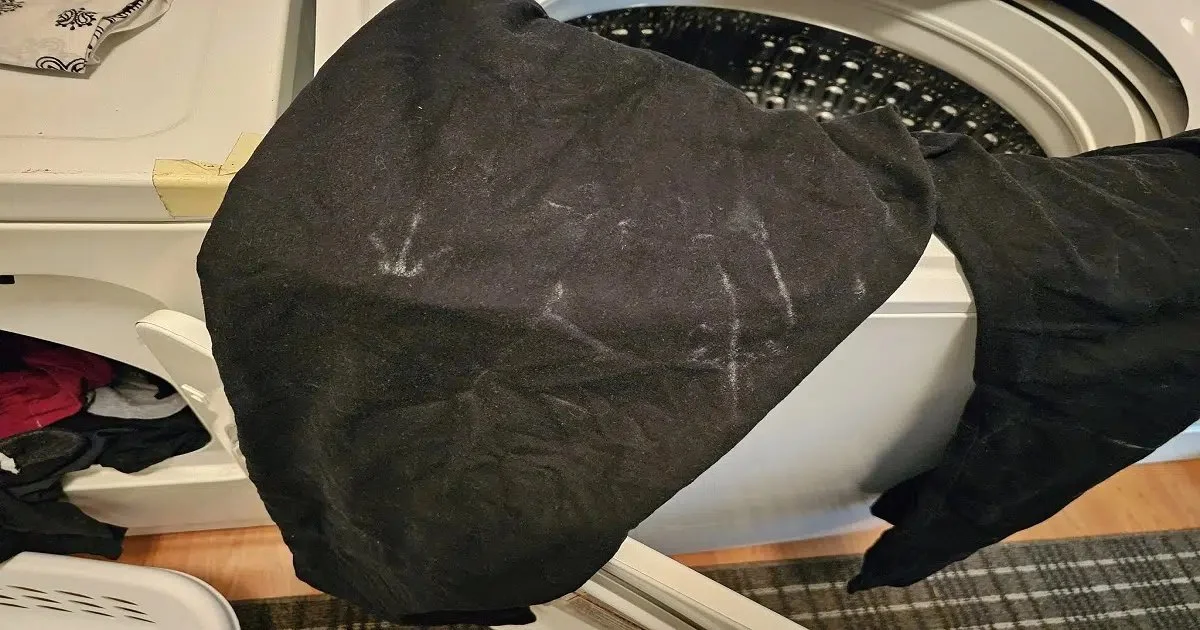

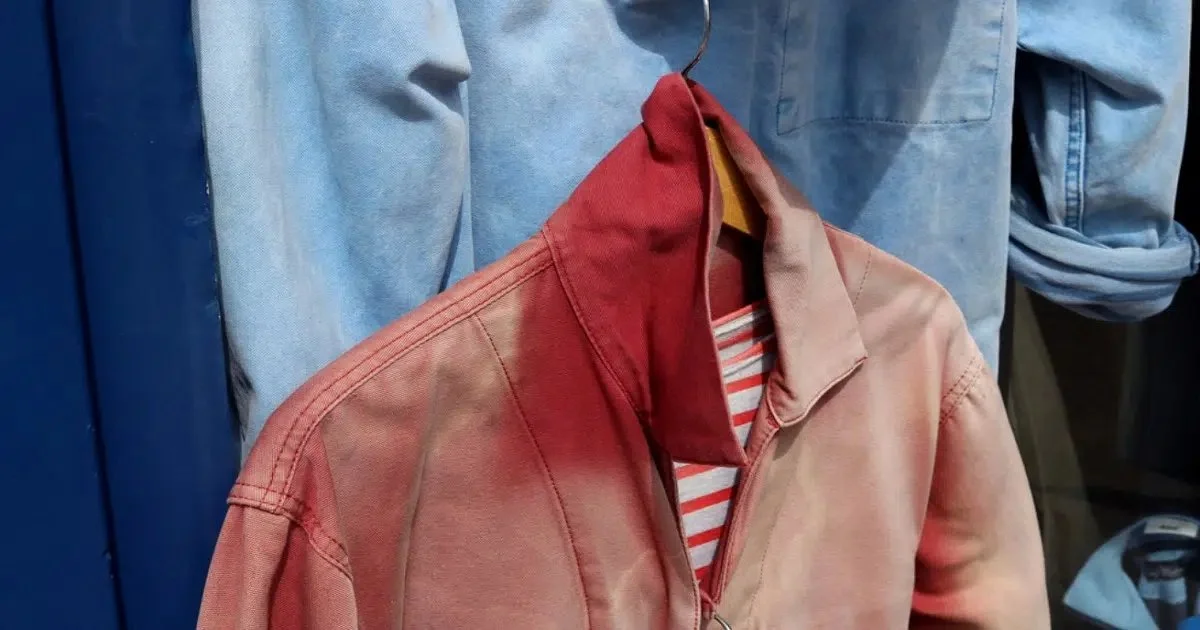
There’s nothing more frustrating than pulling a favorite shirt out of the laundry and realizing that its once-vibrant color has started to fade.
That deep black looks gray. Bright red looks dull. Your favorite blue shirt suddenly seems like a completely different garment.
Clothes naturally lose some color over time because of washing, friction, heat, sunlight, and repeated wear. But before you give up on a faded favorite, there’s a simple DIY method worth trying: bay leaves and baking soda.


Why Do Clothes Fade?
There isn’t always one single reason.
Repeated washing can gradually wear down dyes. Hot water and high temperatures can accelerate fading, while prolonged exposure to sunlight can also affect certain fabrics and colors.
Even the detergent you use and the amount of friction during washing can contribute over time.
And unfortunately, some fabrics and dyes simply hold their color better than others.
The Bay Leaf and Baking Soda Method
The DIY method featured in the source article uses just a few inexpensive ingredients:
- 4 tablespoons of baking soda
- 10 bay leaves
- Water
- A saucepan
- A bucket


The method is presented as a home remedy rather than a scientifically established way to restore dye, so it’s best to think of it as something you can experiment with rather than a guaranteed color-restoration treatment.
Step 1: Prepare the Mixture
Fill a saucepan with enough water to eventually cover the clothing you’re treating.
Add 4 tablespoons of baking soda and 10 bay leaves.
Bring the mixture to a boil.


Once it reaches a boil, reduce the heat and let the mixture simmer for a while.
The original method describes the process as a simple homemade treatment using the baking soda and bay leaves.
Step 2: Let the Mixture Cool
After simmering, allow the mixture to cool to a temperature that’s safe to handle.
Don’t pour boiling water directly onto delicate clothing.
Once the solution has cooled sufficiently, transfer it to a bucket or another suitable container.
Step 3: Add the Faded Clothing
Place the faded garment into the bucket and make sure it’s covered by the liquid.
Let it soak so the homemade solution has time to interact with the fabric.


For delicate or valuable garments, check the care label first and test any homemade treatment on a small, inconspicuous area.
Can This Really Bring the Color Back?
This is where it’s important to keep expectations realistic.
The source article itself acknowledges that the method isn’t presented as established science.
A homemade bay-leaf and baking-soda soak may help refresh the appearance of some garments, but it cannot reliably replace the original dye once fabric has genuinely lost color.
If a garment is severely faded, a proper fabric dye designed for that material is generally a more predictable way to restore or change its color.
Be Careful With Delicate Fabrics
Before trying any DIY laundry treatment, check the garment’s care label.
Some fabrics require special handling, and dyes can react differently depending on the material.
It’s also a good idea to test the treatment on a hidden area first.


How to Prevent Clothes From Fading
Continue Reading For More Helpful Tips →
Continue Reading →
Continue Reading For More Helpful Tips →
Continue Reading →