
Your toothbrush helps remove plaque, food particles, and bacteria every day. But after brushing, some of that debris can remain on the bristles until the next time you use it.
The good news is that keeping your toothbrush clean doesn’t require expensive products or special equipment. A few simple habits can help keep it cleaner and in better condition between replacements.

Rinse It Thoroughly After Every Use
The most important step is also the easiest.
After brushing your teeth, rinse the toothbrush thoroughly under running tap water. Gently rub the bristles with your thumb to help remove leftover toothpaste and debris.
Once you’re finished, shake off excess water.
This simple routine helps prevent residue from accumulating between the bristles.
Store Your Toothbrush Upright
Where you keep your toothbrush matters almost as much as how you clean it.
Store it upright in a holder where air can circulate around it.
Avoid leaving it lying on a wet countertop where the bristles can remain damp.


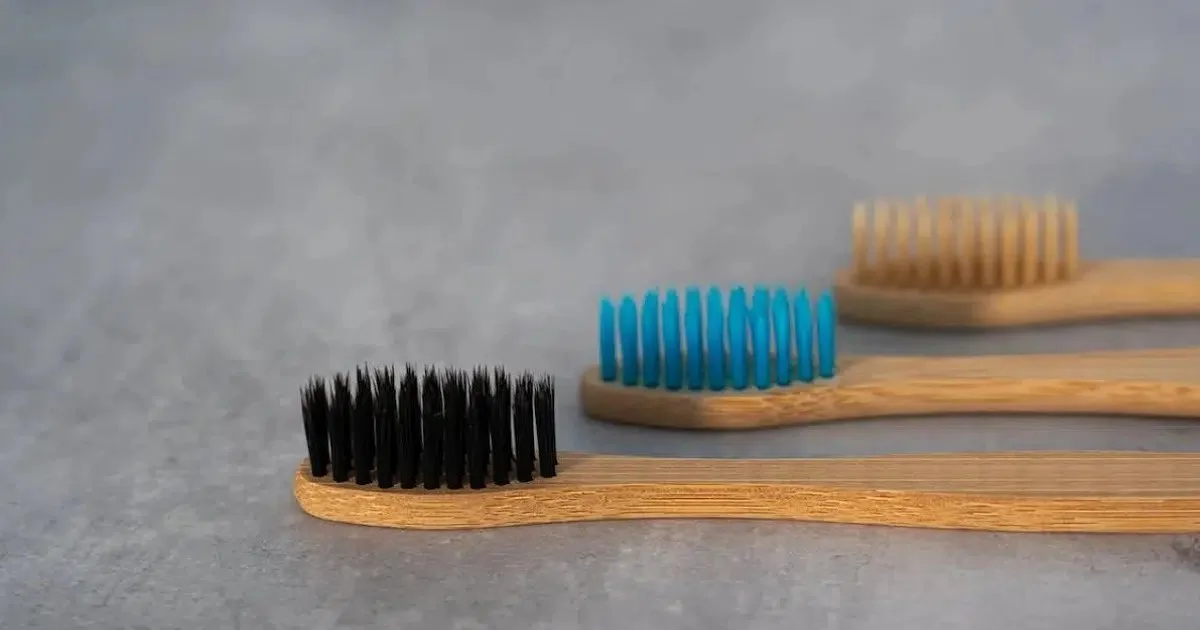
If you keep several toothbrushes in the same holder, make sure they aren’t touching one another.
This gives each toothbrush a better chance to dry properly and helps prevent cross-contamination.
Let It Air Dry
It can be tempting to put your toothbrush straight into a closed container after brushing.
But trapping a wet toothbrush inside a closed container keeps moisture around the bristles.
Instead, allow the toothbrush to air dry completely before covering it.
If you’re traveling and use a toothbrush case, take the toothbrush out when you reach your destination and let it dry before storing it again.


Never Share a Toothbrush
This one should be simple, but it’s worth emphasizing.
Everyone should have their own toothbrush.
Sharing can transfer bacteria, viruses, and traces of blood through saliva.
Even between family members, toothbrushes should remain personal items.
Should You Soak Your Toothbrush?
There are plenty of online suggestions involving mouthwash, hydrogen peroxide, or other disinfecting solutions.
While soaking may reduce some bacteria, routine toothbrush care doesn’t necessarily require it.
For everyday use, thorough rinsing and proper drying are the basic habits to focus on.


If someone in your household is sick, replacing the toothbrush after recovery can be a simple option rather than trying to disinfect an old brush.
Replace Your Toothbrush Every 3 to 4 Months
Cleaning your toothbrush doesn’t mean you can keep using it forever.
The bristles gradually become worn, bent, or frayed.
Once that happens, the toothbrush may not clean your teeth as effectively as it did when it was new.


Replace your toothbrush every 3 to 4 months, or sooner if:
- The bristles are bent or frayed.
- The brush no longer feels effective.
- You’ve recently recovered from an illness and prefer to start with a fresh toothbrush.
Don’t Keep a Wet Toothbrush in a Closed Container
One of the easiest mistakes to make is putting a wet toothbrush directly into a travel case or closed holder.
The problem isn’t the case itself.
It’s the trapped moisture.
Let the toothbrush dry first whenever possible.


A Simple Toothbrush-Care Routine
Keeping your toothbrush in good condition doesn’t need to become another complicated household chore.
After every use:
Rinse the bristles thoroughly.
Shake off excess water.
Store the brush upright.
Allow it to air dry.
Keep it separate from other toothbrushes.
And every few months, replace it with a new one.
Final Thoughts
Your toothbrush goes into your mouth every day, so keeping it clean and properly stored makes sense.
You don’t need complicated cleaning hacks. Rinse it thoroughly after every use, store it upright, let it air dry, and never share it with someone else.
Most importantly, remember that toothbrush cleaning isn’t a substitute for replacing the brush. Once the bristles become worn or frayed, it’s time for a new one.
A few seconds of simple care after every brushing can help keep your toothbrush fresher, cleaner, and ready for the next use.