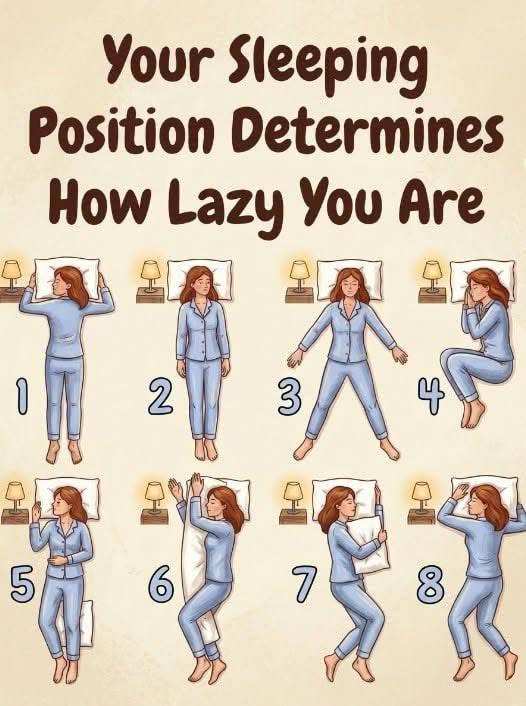

The way couples sleep can sometimes raise questions about comfort, closeness, and relationship habits. One common sleeping position is when one partner turns their back toward the other during the night. Although this position may initially seem distant, it does not necessarily indicate a lack of affection or problems in the relationship.
In reality, sleeping positions are influenced by several factors, including personal comfort, temperature, sleep quality, and individual habits. Understanding these factors can help prevent unnecessary misunderstandings.
1. It May Simply Be a Matter of Comfort
One of the most common explanations is physical comfort. Some people naturally prefer sleeping on their side with their backs facing outward. This position may help them relax and maintain a comfortable sleeping posture throughout the night.
A person’s preferred sleeping position is often developed over many years and may have little connection to their feelings toward their partner.
2. It Can Reflect a Sense of Independence
Being comfortable enough to sleep in a preferred position can be part of maintaining individuality within a relationship.
Healthy relationships allow both partners to have personal preferences and routines. Sharing a bed does not mean that couples must remain physically close throughout the entire night.
3. Sleep Quality Can Influence Sleeping Positions
People frequently change positions while sleeping without realizing it. Movement during the night is a normal part of sleep, and partners may naturally end up facing opposite directions.
Factors such as mattress comfort, room temperature, and physical tiredness can also influence how someone chooses to sleep.
4. It Does Not Automatically Mean Emotional Distance
A common misconception is that turning away during sleep signals reduced affection or dissatisfaction.
However, sleeping posture alone cannot reliably reveal someone’s emotional state. A partner may feel completely happy and connected while preferring to sleep facing the opposite direction.
Every relationship is different, and everyday habits should not be interpreted as definite signs of emotional problems.
5. When Should Couples Pay Attention?
If a change in sleeping habits happens alongside noticeable changes in everyday communication, frequent disagreements, or emotional distance, it may be worth having an honest conversation.
Rather than making assumptions, couples can benefit from discussing how they feel and listening to each other’s perspectives.
Open communication is generally more helpful than trying to interpret relationship problems through sleeping positions alone.
How to Build Better Communication in a Relationship
Small conversations can make a meaningful difference in understanding each other’s needs.
Here are a few helpful approaches:
- Ask questions without making accusations.
- Respect each other’s comfort and personal preferences.
- Discuss concerns calmly and honestly.
- Avoid drawing conclusions from isolated habits.
- Make time for meaningful conversations outside the bedroom.
These simple habits can help couples develop mutual understanding and maintain a healthy connection.
Final Thoughts
When your partner turns their back on you while sleeping, it usually does not have one specific meaning. It may simply reflect personal comfort, sleep preferences, or natural nighttime movement.
The most important thing to remember is that a sleeping position cannot measure love, trust, or relationship satisfaction. Genuine understanding comes from communication, mutual respect, and how partners treat each other in everyday life.