Another concern that becomes more common in later life is maintaining cognitive function.
Some changes in memory and thinking can occur with normal aging.
For example, a person may occasionally need more time to remember a name or find a particular word.
But serious memory problems are not an inevitable consequence of growing older.
Researchers sometimes discuss the concept of cognitive reserve.
This refers to the brain’s ability to use available resources and alternative strategies to maintain function despite age-related changes or disease.
Educational experiences, mentally stimulating activities, and other lifelong factors may contribute to cognitive reserve.
That doesn’t mean doing crossword puzzles guarantees protection from dementia.
It does suggest that remaining intellectually and socially engaged may be one useful part of a broader approach to healthy aging.
Learning a new skill, reading, participating in conversations, and trying unfamiliar activities can all provide opportunities for mental stimulation.
At 80 or 90, curiosity can still be a valuable companion.
Why Reaching 80 Doesn’t Mean Life Is Almost Over
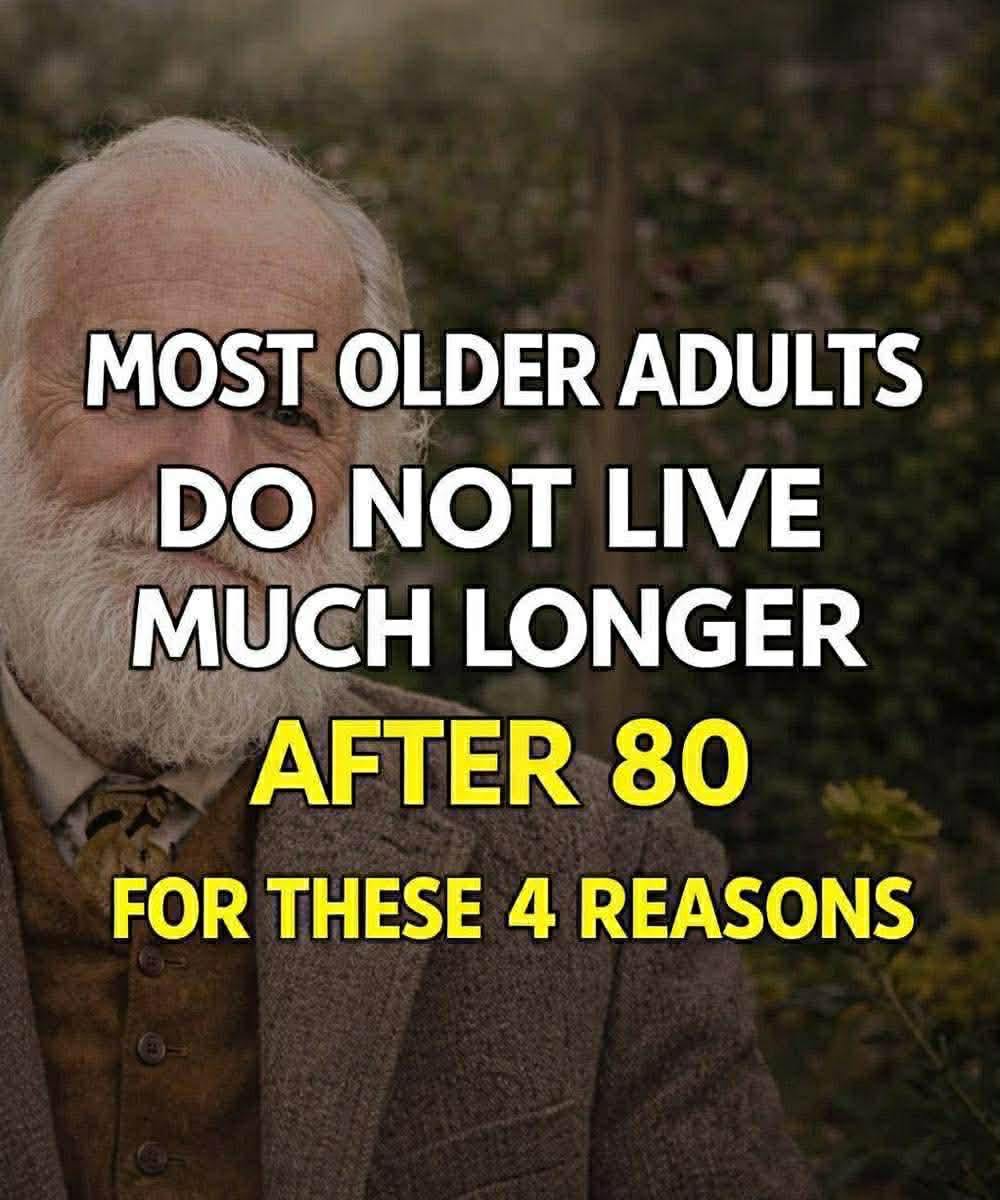
The dramatic image accompanying this topic suggests that most people do not live much longer after 80.
But reaching that age does not establish how many years an individual has left.
Life expectancy varies considerably depending on health, sex, genetics, environment, medical care, and other circumstances.
Population averages cannot accurately predict one person’s future.
Some individuals experience serious health challenges before reaching 80.
Others remain active into their 90s or beyond.
And many people continue enjoying meaningful relationships and activities even while managing chronic conditions.
It is also important to remember that healthy aging isn’t simply about living as many years as possible.
Quality of life matters.
Being able to spend time with loved ones, make personal decisions, enjoy familiar activities, and feel connected to others can be just as important to an individual’s sense of well-being.
Living well at 85 may look different from living well at 55.
That doesn’t make it any less meaningful.
Four Small Habits That Can Support Life After 80
The idea of changing several daily habits at once can feel overwhelming, particularly for someone already managing health challenges.
But positive changes don’t always have to be dramatic.
A manageable starting point might include four simple goals:
1. Find one meaningful activity. Gardening, reading, helping a neighbor, or participating in a hobby can provide structure and enjoyment.
2. Maintain regular contact with someone. A phone call, family visit, or community activity can help prevent unwanted isolation.
3. Choose movement appropriate for your abilities. Walking, gentle strengthening, or balance activities may be beneficial when approved by a healthcare professional.
4. Pay attention to food and hydration. Regular meals and appropriate fluid intake can support health, especially when nutritional needs have changed.
These habits should complement, not replace, appropriate medical care.
Regular healthcare appointments, medication reviews, preventive services, and management of chronic conditions remain important.
And no one should feel that developing an illness means they have failed to follow the right lifestyle.
Health is influenced by many factors that individuals cannot fully control.
What Families Often Overlook About Aging Parents
Adult children sometimes focus primarily on whether their parents are taking medications, attending appointments, and eating enough.
Those concerns are important.
But they may overlook something less obvious.
Does the older person still feel involved in life?
Perhaps a father who once enjoyed woodworking has stopped using his tools because the workshop is difficult to access.
Maybe a mother who loved hosting family dinners no longer cooks because preparing large meals has become exhausting.
Instead of assuming those interests must end, families can explore ways to adapt them.
A smaller woodworking project might still be enjoyable.
A family member could help prepare ingredients so an older parent can continue sharing favorite recipes.
An accessible garden bed may allow someone with limited mobility to enjoy growing flowers.
The goal is not to pressure an older person into activities they no longer want.
It is to help preserve opportunities for choice, enjoyment, and connection.
Sometimes, the most helpful question is simply, “What would you like to keep doing?”
The Real Secret May Be Staying Connected to Life
There is no guaranteed formula for reaching 100.
No single food, exercise, hobby, or daily routine can promise a longer life.
But the four themes highlighted in the source story offer a useful way to think about aging.
Purpose gives people something meaningful to anticipate.
Relationships provide companionship and practical support.
Appropriate movement helps preserve strength and independence.
Good nutrition and hydration support the body’s changing needs.
Together, these factors can contribute to a more fulfilling later life.
They also remind us that aging is not simply a process of losing abilities.
It can involve adapting routines, discovering new interests, strengthening relationships, and finding different ways to enjoy familiar activities.
Someone who can no longer take long mountain hikes may still appreciate a short walk through a nearby park.
A person who has stopped working may discover satisfaction in volunteering or mentoring.
And someone who has lost longtime friends may still build new connections through a local community.
Life after 80 does not have to look exactly like life before 80 to remain meaningful.
A Final Thought About Growing Older
The image that sparked this discussion makes a frightening claim about what happens after someone turns 80.
But the more useful question is not whether a particular birthday marks the beginning of an unavoidable decline.
It is how we can support health, independence, and meaningful experiences throughout later life.
The answer includes medical care and circumstances beyond personal control, but it also involves everyday opportunities to stay connected, active, nourished, and engaged.
Some people will face significant challenges despite doing everything they reasonably can.
Others will enjoy many active years beyond their eightieth birthday.
Neither outcome can be predicted by a social media headline.
What matters is recognizing that the later decades of life still deserve attention, care, opportunity, and hope.
Because growing older isn’t simply about counting the years that remain. It’s also about making the years we have as meaningful as possible.
Sources and References
Editorial Disclaimer
This article is intended for general informational, educational, and health-awareness purposes only. It does not constitute professional medical advice, diagnosis, treatment, or an individualized prediction of life expectancy.
The four factors discussed—purpose, social connection, physical activity, and nutrition—are associated with important aspects of healthy aging, but they do not independently determine how long a person will live. Aging outcomes vary according to genetics, chronic medical conditions, access to healthcare, environmental circumstances, and other individual factors.
Before beginning a new exercise routine, making significant dietary changes, increasing fluid intake, or trying supplements or other health-related interventions, consult a qualified healthcare professional, particularly if you are over 80 or have existing medical conditions.
People with heart disease, kidney disease, diabetes, mobility limitations, or medication-related concerns may require personalized recommendations. Sudden confusion, fainting, severe weakness, or other acute health changes should receive prompt medical evaluation rather than being attributed automatically to aging.
This article does not guarantee that specific lifestyle changes will prevent illness, cognitive decline, disability, or premature death. Readers should consult licensed healthcare providers and established medical resources when making decisions about their personal health or the care of an older family member.