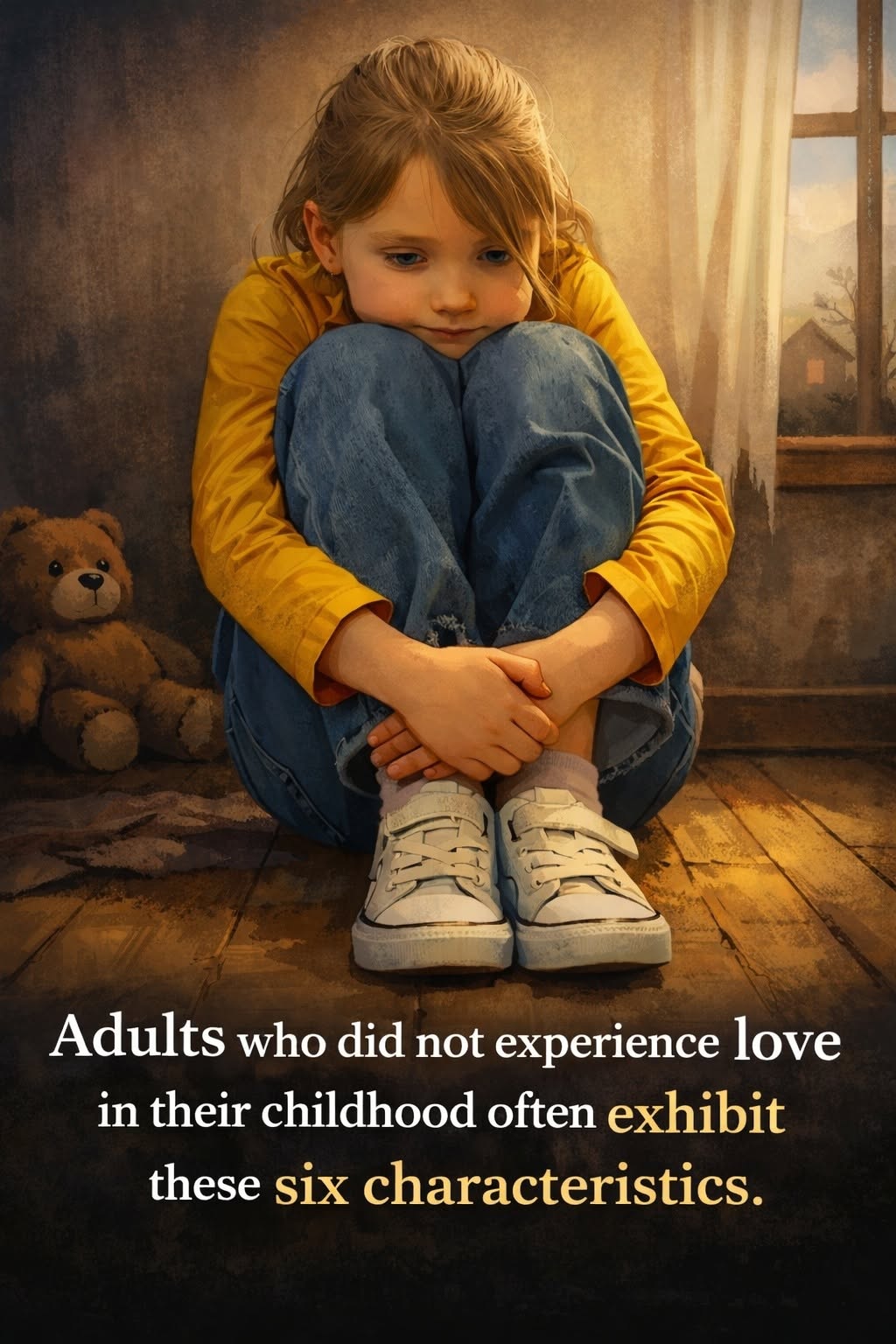
Childhood is a crucial period for emotional development. During these early years, children need more than food, shelter, and physical protection. They also need affection, encouragement, attention, and reassurance that their feelings matter.
When these emotional needs are consistently overlooked, a child may grow up feeling unseen, unheard, or unimportant. This experience is often described as childhood emotional neglect.
Unlike more visible forms of childhood hardship, emotional neglect can be difficult to recognize. There may be no obvious event to point to, yet the absence of emotional support can influence how someone views themselves, handles relationships, and responds to affection later in life.
Not everyone who experiences emotional neglect develops the same difficulties. However, certain emotional and behavioral patterns may appear in adulthood. Recognizing them can be an important step toward understanding yourself and building healthier relationships.
1. You Struggle With Self-Worth and Confidence
Children often develop their sense of self through the way caregivers respond to them. Encouragement, affection, and genuine attention help children understand that they are valuable and deserving of care.
When these experiences are consistently missing, some children grow up questioning their importance. As adults, they may struggle to recognize their strengths, accept compliments, or believe they deserve happiness and success.
This lack of confidence can influence everyday decisions. Someone may avoid new opportunities because they fear failure or assume they are not good enough. Others may constantly compare themselves with people around them.
In relationships, low self-worth can also make it difficult to believe that someone genuinely cares about them.
Learning to recognize personal strengths and challenge negative self-beliefs can gradually help rebuild confidence.
2. Affection and Love Feel Unfamiliar
For people who grew up without consistent emotional warmth, receiving affection may feel uncomfortable or unfamiliar.
A kind gesture, sincere compliment, or expression of love might create uncertainty rather than reassurance. They may wonder whether the other person has hidden intentions or worry that the affection will eventually disappear.
This can create a difficult emotional conflict: wanting closeness while feeling afraid of becoming vulnerable.
Some people respond by becoming overly dependent on reassurance. Others maintain emotional distance, avoid serious conversations, or struggle to accept support.
These reactions are not necessarily signs that someone does not want love. They may reflect learned ways of protecting themselves from emotional disappointment.
With patience and healthy communication, it is possible to become more comfortable with affection and emotional intimacy.
3. Expressing Feelings and Personal Needs Is Difficult
Children who grow up in environments where their emotions are ignored or dismissed may learn to keep their feelings to themselves.
For example, a child who repeatedly hears that they are being too sensitive may eventually stop talking about sadness, disappointment, or fear. Over time, hiding emotions can become an automatic response.
In adulthood, this pattern may appear in several ways:
- Difficulty explaining personal feelings.
- Hesitation to ask for help.
- Avoiding difficult conversations.
- Struggling to establish healthy boundaries.
- Agreeing with others to prevent conflict.
Some adults become so accustomed to prioritizing everyone else’s comfort that they lose touch with their own needs.
Learning to identify emotions and communicate them clearly can help change this pattern. Even small steps, such as expressing a preference or politely saying no, can support healthier relationships.
4. You Constantly Seek Approval From Others
Children need encouragement and recognition as they grow. When emotional attention is limited, some may begin searching for approval as a way to feel valued.
As adults, they might connect their self-worth to achievements, professional success, compliments, or the approval of friends and partners.
They may work extremely hard to impress others, feel disappointed when their efforts go unnoticed, or become anxious about making mistakes.
Although external recognition can feel rewarding, it cannot always provide lasting emotional security. If someone relies entirely on other people’s opinions to feel worthy, even positive feedback may offer only temporary relief.
Developing a stronger sense of self-worth involves learning to appreciate personal progress without constantly needing confirmation from others.
5. You Experience a Strong Fear of Rejection or Abandonment
A difficult childhood may influence how someone responds to uncertainty in adult relationships.
For some people, emotional neglect can contribute to a fear that important relationships will eventually disappear. Even when a partner or friend behaves consistently, they may worry about being rejected or forgotten.
This fear can lead to behaviors such as:
- Overthinking delayed messages or changes in someone’s mood.
- Frequently seeking reassurance.
- Becoming anxious during disagreements.
- Avoiding emotional closeness to prevent possible disappointment.
- Ending relationships prematurely because rejection feels inevitable.
These reactions can be emotionally exhausting, both for the individual and the people close to them.
Recognizing the difference between past experiences and present circumstances can help. A delayed reply, for example, does not automatically mean someone has lost interest or intends to leave.
Building trust takes time, but healthy relationships can provide opportunities to experience consistency, respect, and emotional safety.
6. Emotional Healing May Feel Difficult, but It Is Possible
Recognizing the effects of childhood emotional neglect can bring up complicated feelings. Some people experience sadness about what they missed, while others feel confused because they remember their childhood as relatively ordinary.
It is important to understand that acknowledging emotional needs does not mean blaming yourself or automatically condemning your caregivers. It means recognizing how certain experiences may have affected you and deciding what you need moving forward.
There are several ways to begin developing healthier emotional habits:
Consider professional support: A qualified mental health professional can help you explore difficult experiences, understand emotional patterns, and develop practical coping strategies.
Practice self-compassion: Try speaking to yourself with the same patience and understanding you would offer someone you care about.
Build supportive relationships: Spend time with people who respect your boundaries, listen without judgment, and communicate honestly.
Learn to recognize your emotions: Journaling or taking a few quiet moments each day to identify your feelings can help you understand your needs more clearly.
Set healthy boundaries: You are allowed to express preferences, decline requests, and protect your emotional well-being.
Healing does not happen overnight. Progress may involve setbacks, uncomfortable conversations, and moments of uncertainty. What matters is making gradual changes that support a healthier relationship with yourself and others.
A Difficult Childhood Does Not Have to Define Your Future
The emotional experiences of childhood can influence adulthood, but they do not determine a person’s entire future.
Someone who grew up without enough affection can still develop confidence, build meaningful relationships, and learn to accept love without fear. Old emotional patterns may take time to understand, but they are not necessarily permanent.
The first step is recognizing that your feelings and needs matter. From there, self-awareness, supportive relationships, and professional guidance when needed can help create a more secure and fulfilling life.
You cannot change the care you received as a child, but you can take meaningful steps toward giving yourself the understanding, respect, and kindness you may have needed along the way.