
PART 1: The Imaginary Friend
I never believed in imaginary friends until my daughter invented one.
Lily was seven when she first mentioned Charlie. We were driving home from school when she turned to me with those big brown eyes and said, “Charlie thinks we should get ice cream.”
I smiled into the rearview mirror. “Who’s Charlie, sweetheart?”
“My friend,” she said simply. “He sits with me at dinner when you’re working late. He says you work too hard.”
My wife had passed away two years earlier, and I’d been doing my best. Some days, that meant frozen pizza and a movie. Other days, it meant falling asleep at my desk while Lily colored beside me, her crayons scattered across documents I should have finished weeks ago. The guilt was a constant companion.
At first, Charlie seemed harmless. A coping mechanism, the therapist had called it. Common in children who’ve experienced loss. I played along, setting an extra place at the table, asking Charlie about his day while Lily answered in a funny deep voice that made us both laugh.
But then the details started getting strange.
“Charlie says he used to have a daughter my age,” Lily told me one night. “She had curly hair like mine. He misses her very much.”
I paused. “What else does Charlie say?”
“He says it’s not my fault that Mommy died. He says sometimes bad things happen to good people, and it doesn’t mean I did anything wrong. He says the heart has enough room to love someone forever and still find new people to love.”
My throat tightened. I’d been trying to tell her that for months, stumbling over words that never came out right.
The following Saturday, Lily begged me to take her to Riverside Park. “Charlie will be there,” she insisted. “He promised. He has something important to show me.”
I agreed, but something made me hang back. I told her I’d grab coffee and meet her by the swings. Instead, I watched from behind a maple tree as Lily skipped toward the benches near the duck pond, her yellow sundress catching the afternoon light.
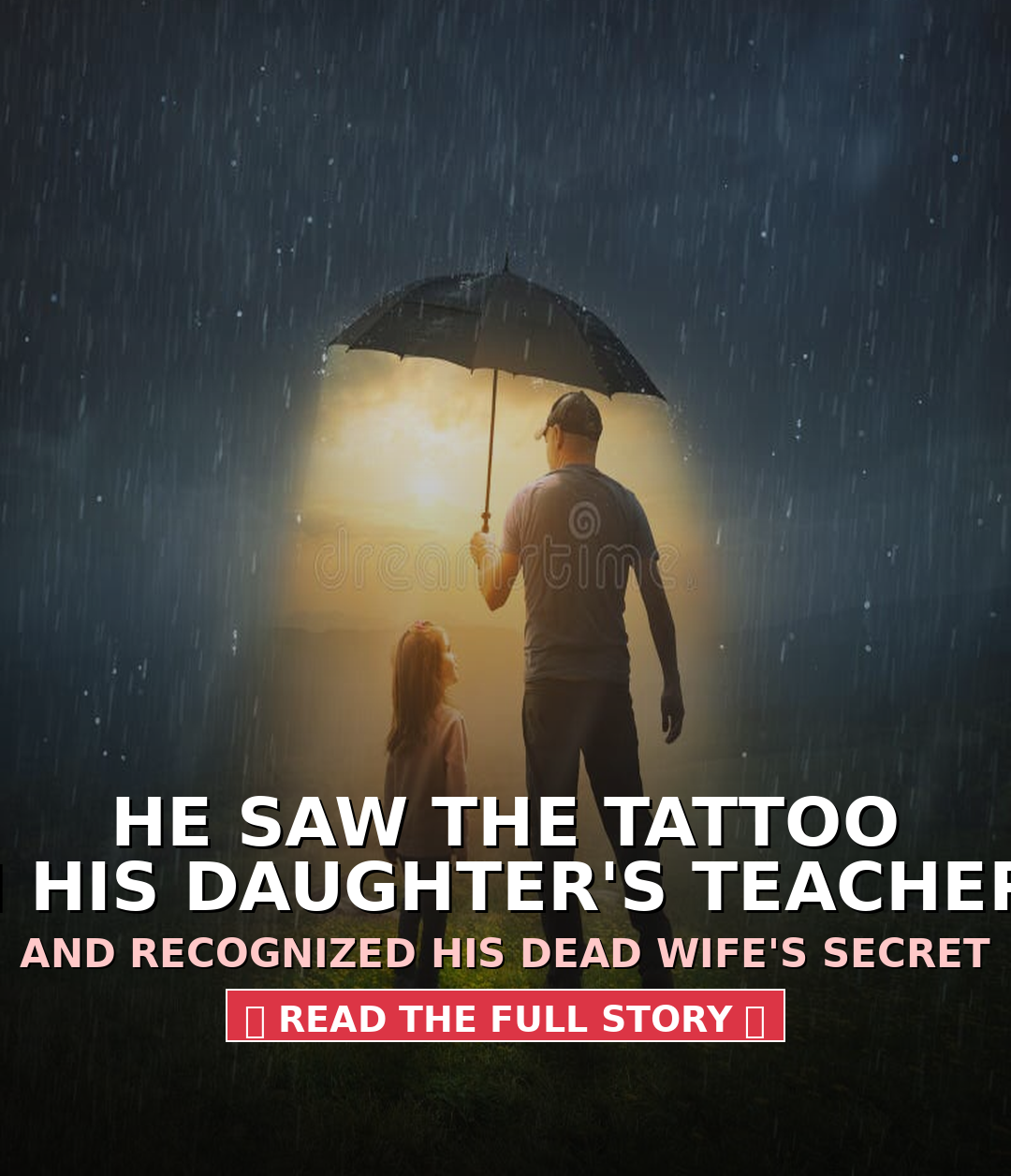
An elderly man sat there alone, feeding the birds. He wore a navy coat and a faded baseball cap. His hands trembled slightly as he broke apart a sandwich, scattering pieces for the ducks.
Lily sat beside him like she’d done it a hundred times before.
He turned. He smiled, and it transformed his entire face, erasing decades of sorrow in an instant. Then he reached into his pocket and pulled out a small photograph, its edges worn soft from years of handling.
Lily looked at it, her eyes going wide. Then she threw her arms around his neck and held on tight.
I stepped out from behind the tree, my hands shaking, ready to pull my daughter away from a stranger who had somehow invaded the most private corners of our grief.
But then I saw the picture in his weathered fingers, and my legs stopped working entirely.