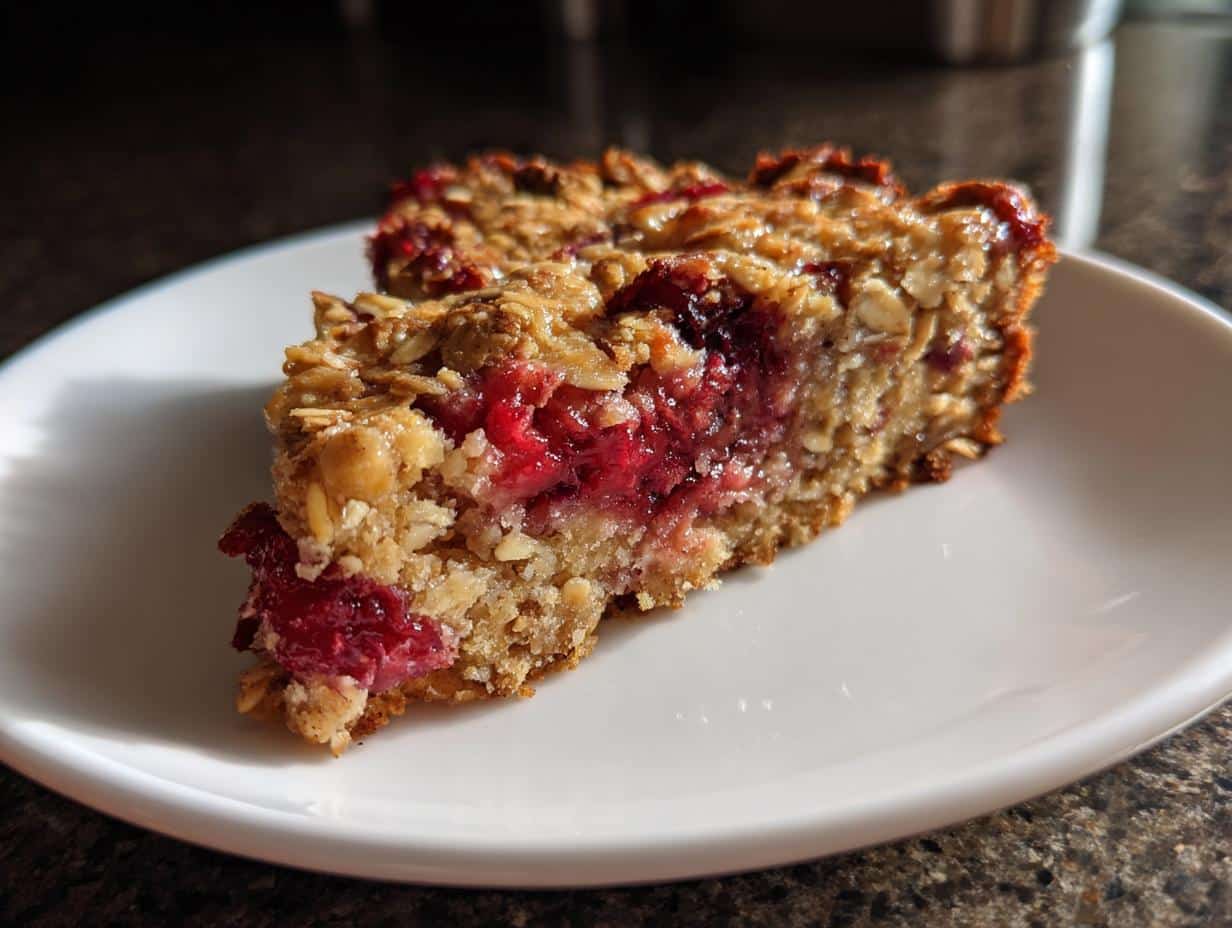
You know, I used to think baking meant a one-way ticket to a sugar crash and a guilty conscience. But then I discovered the absolute magic ofhealthy baking recipes! It’s completely changed how I approach treats. Now, instead of just craving something sweet, I crave something *deliciously* wholesome. Seriously, you can bake up the most amazing muffins, cookies, and cakes using simple, good-for-you ingredients. I remember the first time I made a batch of whole wheat oat cookies – they were so satisfying and I didn’t feel that usual post-cookie slump. It’s all about finding that sweet spot where incredible flavor meets balanced nutrition, and trust me, it’s totally achievable!

Why You'll Love These Healthy Baking Recipes
Honestly, diving into baking doesn’t have to be complicated or leave you feeling sluggish. These recipes are my go-to because they just *work*! You get all the joy of creating something delicious from scratch, but with benefits that make you feel genuinely good.
- Quick and Easy Preparation: Life’s busy, right? That’s why I designed these recipes to be super straightforward. Most of them come together in a flash, meaning you can whip up a wholesome treat without spending hours in the kitchen. Perfect for those weeknights when a craving hits!
- Deliciously Wholesome Flavors: Forget bland “health food”! We’re talking about rich, satisfying tastes here. Think the natural sweetness from ripe fruits, the deep caramel notes from natural sweeteners, and those amazing textures from nuts and seeds. You won’t miss a thing, I promise.
- Packed with Nutritious Ingredients: This is the best part! We’re swapping out refined flours for hearty whole grains, using real fruits for moisture and sweetness, and loading up on good fats from nuts and seeds. It’s baking that actually fuels your body and makes you feel great.
Essential Ingredients for Healthy Baking Recipes
Okay, so when we talk about making baking *healthy* without sacrificing taste, it all comes down to the ingredients we choose. It’s kind of like building a house – you need a good foundation! For these recipes, think of these as your superstars:
Whole Grains and Flours
Forget the bleached white stuff! We’re reaching for things like whole wheat flour for that lovely nutty flavor and extra fiber. Oat flour (you can totally make this by grinding rolled oats in your blender!) is fantastic for a tender crumb and a subtle sweetness. And almond flour? Oh my goodness, it adds such a rich flavor and healthy fats. Sometimes I’ll sift my whole wheat flour if I want a lighter cake, but usually, I just go for it straight from the bag. These flours give our baked goods substance and keep us feeling full longer.
Natural Sweeteners and Fruits
This is where we ditch the refined sugar! I absolutely adore using pureed dates or date paste for a natural caramel-like sweetness and a fiber boost. Maple syrup and honey are also amazing, adding their own unique flavors. And don’t forget fresh or frozen fruit! Things like mashed bananas or unsweetened applesauce add moisture and sweetness, meaning you can often cut back on other sweeteners. They just make everything taste so much more vibrant!
Healthy Fats and Proteins
These are key for texture and keeping things satisfying. Think of things like chopped nuts (walnuts, pecans, almonds – yum!) and seeds (chia, flax, sunflower). They add a lovely crunch and healthy fats. Nut butters, like almond or peanut butter, bring richness and protein. And if you’re not vegan, good quality eggs or even thick Greek yogurt can add protein and moisture, making your baked goods tender and delicious.
Flavor Enhancers
This is the fun part where we add personality! A dash of cinnamon is almost always a must for me, but don’t stop there. Nutmeg, ginger, or even a pinch of cardamom can transform a simple bake. A splash of vanilla extract is non-negotiable for that classic comforting aroma. And if you want chocolatey goodness without added sugar, unsweetened cocoa powder is your best friend. These little additions pack a huge flavor punch without any of the downsides!
Step-by-Step Guide to Healthy Baking Recipes
Alright, let’s get baking! This is where the magic really happens. We’ll walk through it step-by-step, and trust me, it’s easier than you think. The key is just to have everything ready to go so you can move smoothly from one stage to the next. It makes the whole process so much more enjoyable!
Preparing Your Baking Station
First things first, let’s get your oven ready. You’ll want to preheat it to the temperature specified in the recipe you’re using – usually somewhere around 350°F (175°C) for most healthy bakes. While the oven is heating up, prepare your baking pans. This is super important to prevent sticking! For most cakes and muffins, I like to grease the pan really well with a little bit of oil or softened butter, then dust it lightly with flour. Tap out any extra. Or, even easier, just line the bottom with parchment paper, especially for loaf pans or cake pans. It makes cleanup a breeze!
Mixing the Dry Ingredients
In a medium-sized bowl, we’re going to combine all the dry stuff. This usually includes your whole wheat flour or oat flour, any leavening agents like baking soda or baking powder, salt, and any spices you’re using, like cinnamon or nutmeg. Just grab a whisk and give it a good stir to make sure everything is evenly distributed. This helps ensure your leavening agents are spread out, so you don’t get any weird pockets in your baked goods.
Combining the Wet Ingredients
Now, grab a larger bowl for the wet ingredients. This is where you’ll mix your natural sweeteners like maple syrup or honey, your healthy fats like melted coconut oil or a mild olive oil, any liquids such as milk or plant-based milk, and your binders like eggs or mashed banana. Whisk it all together until it’s nicely blended and smooth. If you’re using something like Greek yogurt or applesauce, mix that in here too!
Bringing it All Together
Here comes the fun part! Pour your wet ingredients into the bowl with the dry ingredients. Now, this is crucial: mix *just until combined*. Seriously, don’t go crazy here! A few streaks of flour left are totally fine. Overmixing develops the gluten too much, which can make your healthy bakes tough or dense instead of tender. So, fold it gently with a spatula until you don’t see big pockets of dry flour anymore.
Baking and Cooling
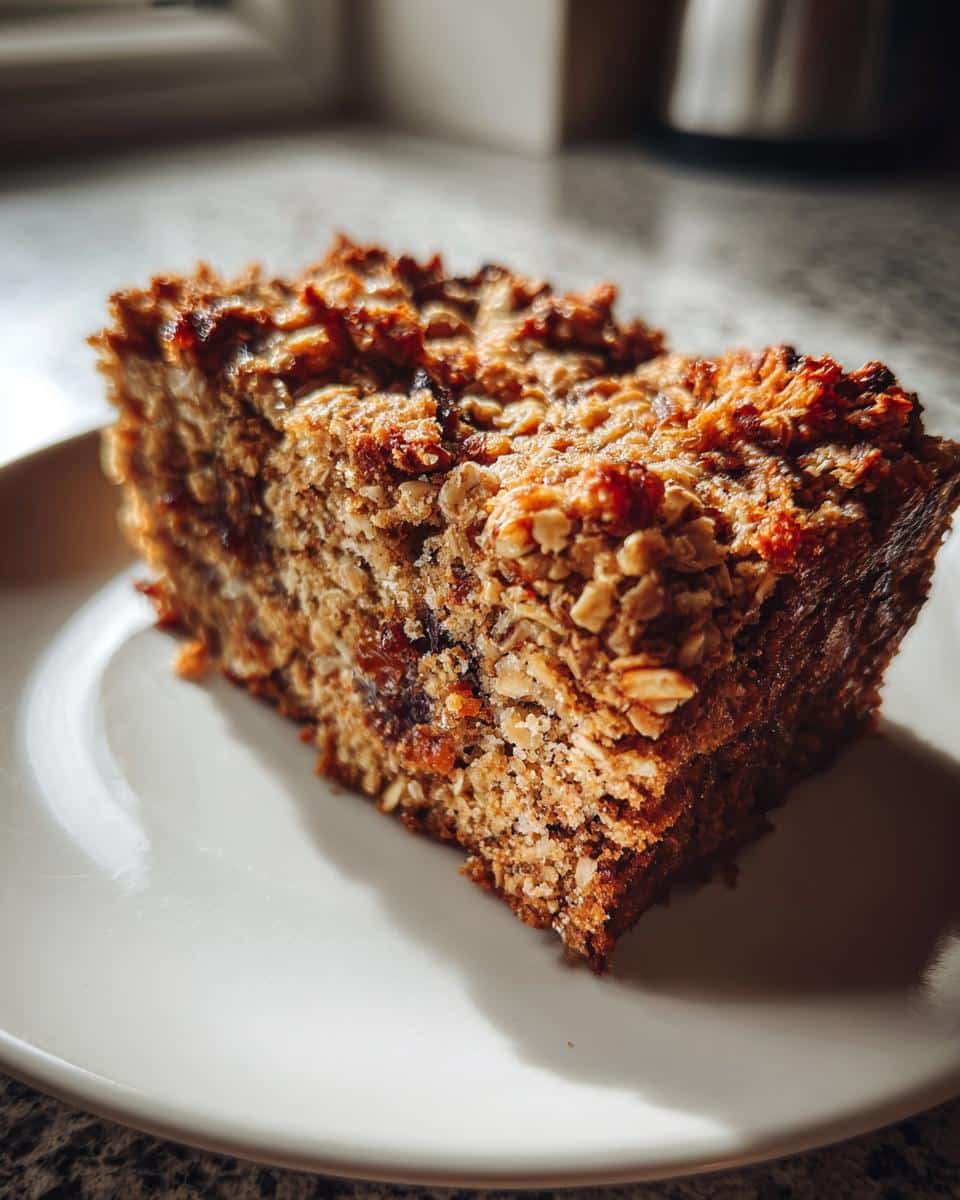
Once your batter is ready, carefully pour it into your prepared baking pans, spreading it evenly. Pop it into that preheated oven! Baking times can vary a bit depending on your oven and the size of your pan, but generally, you’re looking at around 20-30 minutes for muffins or smaller cakes, and maybe 30-40 minutes for loaf cakes. You’ll know they’re ready when a toothpick inserted into the center comes out clean or with just a few moist crumbs attached. Let them cool in the pan for about 10-15 minutes before carefully turning them out onto a wire rack to cool completely. Patience here is key – cutting into them too soon can make them fall apart!
Tips for Perfect Healthy Baking Recipes
You know, even with the best intentions and the healthiest ingredients, a few little tricks can make all the difference between a “good” bake and a truly *amazing* one. These are the little secrets I’ve picked up that really help elevate your healthy baking game and avoid those common baking oopsies!
Measuring Flour Correctly
This one sounds so simple, but it’s a game-changer! Instead of scooping flour directly from the bag with your measuring cup (which packs it in way too tightly!), try the “spoon and level” method. Gently spoon the flour into your measuring cup until it’s overflowing, then use the back of a butter knife or a straight edge to sweep off the excess. This ensures you’re not accidentally adding way too much flour, which can make your baked goods dry and dense.
Avoiding Overmixing
I know, I know, we’ve talked about this, but it’s SO important for healthy baking! When you mix the wet and dry ingredients, stop as soon as they just come together. Seriously, a few little streaks of flour are totally fine. Overmixing develops the gluten in the flour, which can turn your lovely, tender muffins or cakes into something tough and chewy. A gentle hand is your best friend here!
Oven Temperature Accuracy
Ovens can be quirky little things, right? Sometimes they run hotter or cooler than the dial says. To make sure your healthy baking recipes turn out perfectly golden and cooked through, I really recommend getting an oven thermometer. You can hang it inside your oven, and it gives you a much more accurate reading of the actual temperature. This little tool helps prevent underbaked centers or burnt edges, ensuring consistent results every single time! For more on baking science, check out King Arthur Baking’s ingredient properties guide.
Variations on Healthy Baking Recipes
The beauty of these healthy baking recipes is that they’re like a blank canvas, just waiting for your personal touch! I love to play around with them, and you totally can too. It’s all about making them your own and discovering new favorite flavor combos.
Adding Fruits and Vegetables
This is my favorite way to boost flavor and moisture! Toss in a cup of fresh or frozen berries like blueberries or raspberries – they add a gorgeous tartness. Unsweetened applesauce is a fantastic replacement for some of the oil or sweetener, making things super moist. And don’t be afraid of sneaking in veggies! A little bit of grated zucchini or shredded carrots disappears right into the batter and adds amazing moisture and nutrients. You’ll barely even notice they’re there, but your baked goods will thank you! Try our best ever zucchini bread recipe for a start.
Incorporating Nuts and Seeds
For a little crunch and extra goodness, I always have a stash of chopped nuts and seeds on hand. Walnuts, pecans, almonds, sunflower seeds, chia seeds, flax seeds – they all add great texture and healthy fats. Just fold in about half a cup into your batter before baking. Or, try sprinkling some on top before they go into the oven for a lovely crunchy crust. It really elevates the whole experience!
Flavor Twists
Sometimes, you just want to switch things up, right? Beyond the usual cinnamon, try adding a pinch of nutmeg or a dash of cardamom for a warm, cozy flavor. A little bit of fresh citrus zest from a lemon or orange can make your baked goods incredibly bright and refreshing. Don’t be afraid to experiment with different spice blends or even add a touch of unsweetened cocoa powder for a chocolatey twist!
Serving and Storing Your Healthy Baking Creations
Once your delicious healthy baked goods have cooled completely, the real fun begins – enjoying them! And keeping them tasting great for days is super simple with a few tricks.
Best Ways to Serve
Honestly, these treats are so flavorful on their own, they don’t need much! I often just enjoy them plain, savoring the natural sweetness. But they’re also lovely served with a dollop of creamy Greek yogurt, some fresh berries, or even a drizzle of a simple glaze made from a little powdered sweetener and a splash of milk. It’s all about how you like it!
Proper Storage Techniques
For most of my healthy bakes, like muffins or quick breads, I find they stay wonderfully fresh when stored in an airtight container at room temperature for about 2-3 days. If you’ve added any dairy or fruit filling, popping them in the refrigerator is a good idea to keep them fresh longer. And if you’ve made a big batch (which I often do!), they freeze like a dream! Just wrap them well in plastic wrap and then a layer of foil, and they’ll keep perfectly for a couple of months. Just thaw them on the counter when you’re ready.
Reheating for Freshness
Sometimes, a slightly warmed-up muffin or slice of quick bread is just heavenly, especially on a chilly morning. If you’ve stored them at room temperature or they’re fully thawed from the freezer, just pop them in a toaster oven or a regular oven at a low temperature (around 300°F or 150°C) for about 5-10 minutes, or until warmed through. You can also microwave them for a few seconds, but be careful not to overheat them, or they can get a bit chewy!
Frequently Asked Questions About Healthy Baking Recipes
I get asked a lot of questions about making the switch to healthier baking, and it’s totally understandable! It can feel like a bit of a learning curve, but once you get the hang of it, it’s so rewarding. Here are some of the most common things people wonder about:
Can I substitute honey for sugar in healthy baking recipes?
Absolutely! Honey and maple syrup are fantastic natural sweeteners. Just keep in mind they are liquid, so they add a bit more moisture than granulated sugar. You might need to slightly reduce other liquids in the recipe, maybe by a tablespoon or two. Also, honey can sometimes make things brown a little faster, so keep an eye on it. They’ll also add their own subtle flavor, which is usually a delicious bonus!
Are healthy baking recipes always less sweet?
Not necessarily! It’s more about the *type* of sweetness. Instead of relying on refined white sugar, we use natural sweeteners like dates, maple syrup, or honey, and the natural sweetness from fruits. These often have a more complex flavor profile. You can totally adjust the amount of sweetener to your personal preference, too. Start with what the recipe calls for, and if you think it needs a little more, add it in small increments!
How do I make my healthy baked goods moist?
This is a big one! Using ingredients like unsweetened applesauce, mashed bananas, or plain Greek yogurt adds fantastic moisture without relying on extra oil or sugar. Healthy fats like avocado oil or even a little bit of nut butter also contribute to a tender, moist crumb. And don’t forget those fruits like berries or even grated zucchini – they release moisture as they bake, keeping everything lovely and soft! For more tips on moist baked goods, see Allrecipes’ guide to moist baked goods.
Nutritional Information for Healthy Baking Recipes
Just so you know, the nutritional info below is an estimate for one serving of a typical recipe in this collection. It can totally change depending on the specific brands you use and any swaps you make. But it gives you a good idea of what you’re working with!
Estimated Nutritional Breakdown
Serving Size: 1 serving
Calories: 200 kcal
Sugar: 15 g
Sodium: 100 mg
Fat: 8 g
Saturated Fat: 2 g
Unsaturated Fat: 6 g
Trans Fat: 0 g
Carbohydrates: 30 g
Fiber: 4 g
Protein: 5 g
Cholesterol: 0 mg

Guilt-Free Delicious: 5 Healthy Baking Recipes
- Total Time: 50 minutes
- Yield: 12 servings
- Diet: Vegetarian
Description
A collection of healthy baking recipes focusing on wholesome ingredients and balanced nutrition.
Ingredients
- Whole wheat flour
- Oats
- Fruits
- Nuts
- Seeds
- Natural sweeteners
- Lean proteins
- Healthy fats
Instructions
- Preheat oven to the specified temperature.
- Prepare baking pans.
- Combine dry ingredients.
- Combine wet ingredients.
- Mix wet and dry ingredients until just combined.
- Pour batter into prepared pans.
- Bake for the recommended time.
- Cool completely before serving.
Notes
- Adjust baking time as needed based on your oven.
- Storage instructions may vary by recipe.
- Consider ingredient substitutions for dietary needs.
- Prep Time: 20 minutes
- Cook Time: 30 minutes
- Category: Baking
- Method: Baking
- Cuisine: International
Nutrition
- Serving Size: 1 serving
- Calories: 200 kcal
- Sugar: 15 g
- Sodium: 100 mg
- Fat: 8 g
- Saturated Fat: 2 g
- Unsaturated Fat: 6 g
- Trans Fat: 0 g
- Carbohydrates: 30 g
- Fiber: 4 g
- Protein: 5 g
- Cholesterol: 0 mg