
How To Make A Spiky Snake Plant Bloom With Beautiful, Fragrant Flowers
If you’re like many plant enthusiasts, you probably have a snake plant nestled somewhere in your home. These hardy green beauties are known for their striking, spiky leaves and their reputation for easy care. However, you may be surprised to learn that under the right conditions, your snake plant (scientifically known as Sansevieria) can bloom, producing delightful, fragrant flowers. Let’s explore some practical tips to encourage your plant to reach its flowering potential.
Understanding the Blooming Behavior of Snake Plants
While most people think of snake plants as purely decorative, it’s important to recognize that they have a blooming season, typically happening in late spring or early summer. Unfortunately, these flowering episodes are rare, which often leads to many snake plant owners overlooking their potential to bloom. This is often because the plants are usually kept in optimal conditions for foliage growth rather than for flowering.
Create the Right Environment
The key to coaxing your snake plant into bloom revolves around two main factors: light and pot size.
Provide Bright, Direct Sunlight
Start by ensuring your snake plant receives bright, indirect sunlight. While these plants are known for tolerating lower light levels, they truly thrive when placed in a bright spot. A location near a south or west-facing window will do wonders. That being said, direct sunlight for the entire day may scorch the leaves, so be mindful of balancing exposure.
Keep It Root-Bound
Another surprising but essential element is keeping your snake plant root-bound. Unlike many houseplants that flourish when transferred to larger pots, snake plants prefer snug conditions. When the roots fill the pot and have little room to grow, the plant gets the cue that it’s time to produce flowers. Avoid re-potting unless absolutely necessary, such as if the soil needs refreshing or you’re seeing signs of rot.
Adjust Your Watering Habits
In conjunction with the right light and pot conditions, adjusting your watering routine can significantly impact your snake plant’s ability to bloom. Here’s where many plant owners go astray. Snake plants are surprisingly drought-tolerant, and overwatering can stunt growth and prevent blooming.
Water Sparingly
Allow the soil to dry out completely between waterings. In general, during the active growth months (spring and summer), a good rule of thumb is to water once every 2-6 weeks, depending on your home’s humidity and temperature. As a good practice, check the soil moisture before watering; if it feels dry several inches down, it’s time for a drink.
Nurturing a Healthy Plant for Blooming
An older, healthy snake plant is the best candidate for flowering, making it essential to maintain its health year-round.
Watch for Pests and Diseases
Keep an eye out for pests such as spider mites and mealybugs, which can stress your plant and impede flowering. If you spot any pests, treat them with neem oil or insecticidal soap. Proper air circulation and a well-draining potting mix can also help prevent any diseases, ensuring your plant remains vibrant and ready to bloom.
Fertilization
While snake plants need minimal fertilization, a light application of a balanced houseplant fertilizer in early spring can provide the nutrients necessary for blooming. Just be sure to follow the instructions regarding dilution—over-fertilization can lead to more harm than good.
Enjoy the Beauty of the Bloom
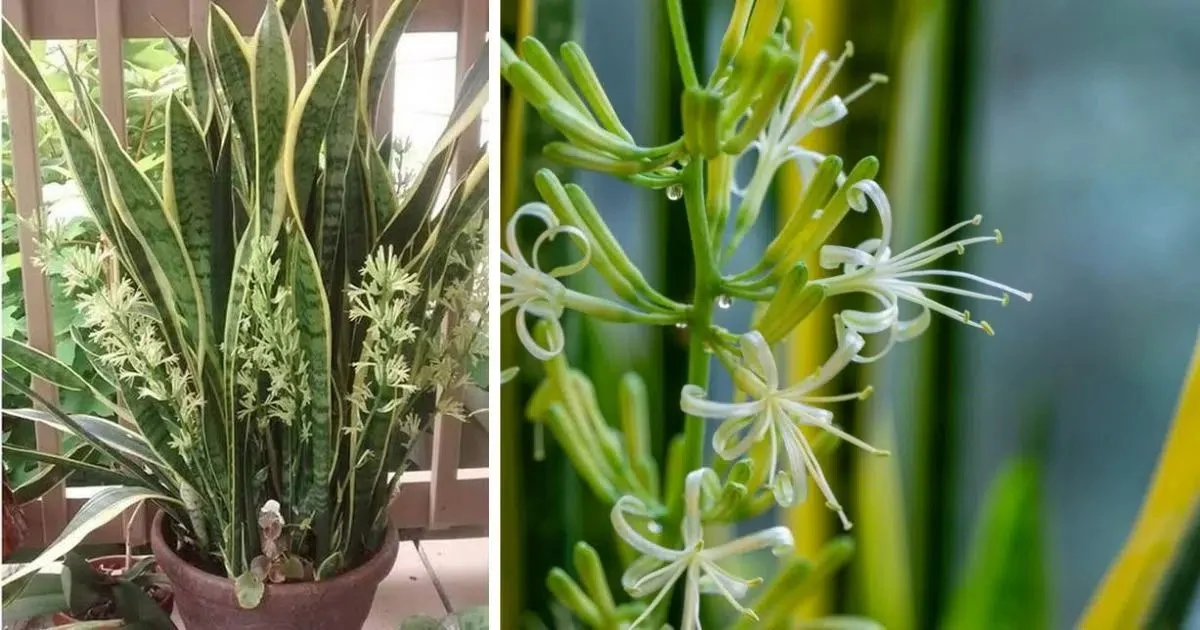
If you’ve successfully set the stage for blooming, you may be rewarded with clusters of cream or white flowers that emerge on long, slender stalks. Beyond their uniqueness, these fragrant blooms can fill your living space with a subtle, sweet scent, adding to the overall ambiance of your home.
Conclusion
Encouraging a blooming snake plant takes patience and slight adjustments to care routines, but with a little effort, you could soon enjoy its beautiful, fragrant flowers. Remember to provide bright light, maintain a root-bound environment, adjust watering, and monitor for health to see your plant thrive. With these recommendations, you’re sure to unlock the blooming potential of this stunning houseplant, adding a delightful aspect to your indoor garden. Happy planting!