
How to Care for Indoor Plants
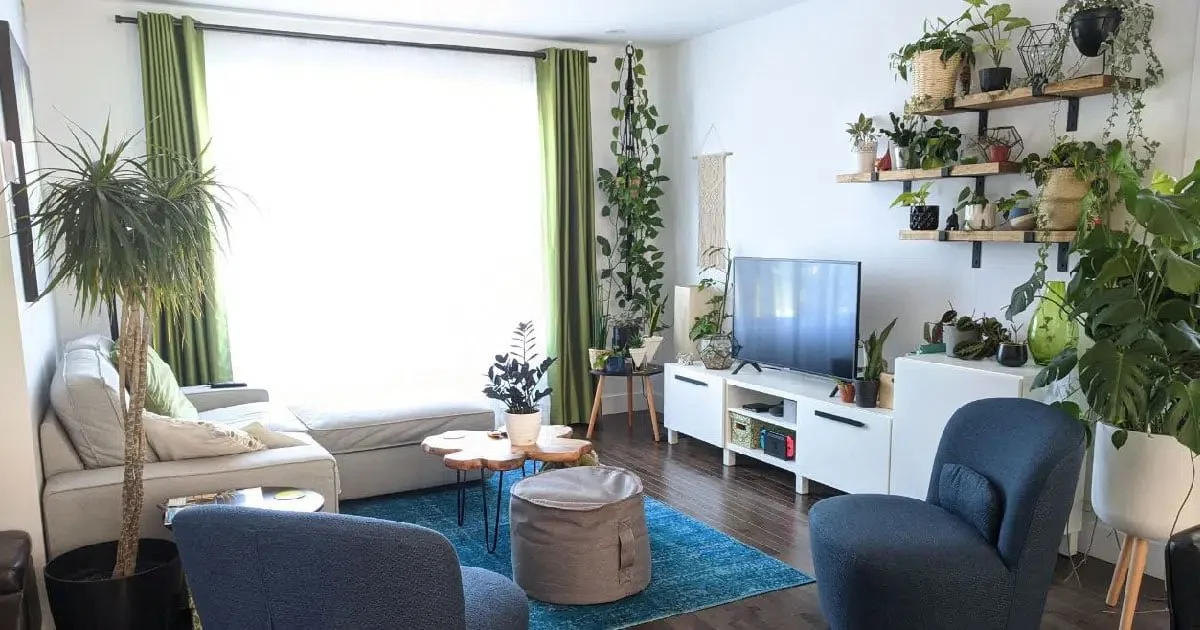
Indoor plants can truly elevate the atmosphere of your home, bringing life and vibrancy to any space. However, many new plant owners find themselves in a common predicament: their plants seem to wilt and fade away far too quickly. If you’ve been struggling to keep your indoor greenery thriving, you’re not alone, and I’m here to help. In this guide, we’ll cover some fundamental care tips to ensure your plants not only survive but flourish. You’ll learn the importance of proper watering, understanding light needs, and the invaluable practice of observation.
1. Proper Watering Techniques
Water is one of the most crucial aspects of plant care. While plants need water to grow, it’s essential to strike a balance. Overwatering can lead to root rot, while underwatering can cause dehydration. Aim to keep the soil consistently moist but never soggy. A good rule of thumb is to check the top inch of soil; if it feels dry, it’s time to water.
Different plants have varying needs. For example, succulents and cacti thrive in drier conditions and require less frequent watering. It’s essential to become familiar with what each of your plants needs to avoid the all-too-common pitfalls. Remember, deep watering is better than frequent shallow watering, as it encourages roots to grow deeper into the soil.
2. The Art of Observation
Observation is a powerful tool in plant care. Being attentive to the signs your plants give can make all the difference. For instance, yellowing leaves could indicate overwatering or inadequate light, while brown leaf tips might suggest underwatering.
Pay close attention to your plants’ reactions to changes in their environment, such as moving them to a different spot or altering their watering routine. If you notice pests or discoloration, act quickly to mitigate the issue. Regularly assessing your plants ensures that you catch small problems before they become significant headaches.
3. Understanding Light Requirements
Lighting is another critical factor in keeping your indoor plants healthy. Different plants have distinct light preferences—some thrive in bright, direct sunlight while others prefer low-light conditions.
A common mistake is assuming that all plants require extensive sunlight. Overexposure can lead to scorched leaves, while too little light can stunt growth. Assess your space and the lighting conditions throughout the day. If your plant is not thriving, consider moving it to a better location or adjusting how you provide light, perhaps with grow lights if natural options are limited.
4. Soil and Drainage Needs
While water and light are vital, the type of soil and drainage your plants have is equally important. Many indoor plants prefer potting mixes that allow for adequate drainage. Be sure to choose pots with drainage holes, preventing excess water from sitting at the bottom.
A good quality potting soil often contains organic materials that help with aeration and moisture retention. Avoid using garden soil, as it’s usually too dense for indoor plants. If planting in a container without drainage holes, be extra cautious with your watering.
5. Fertilization and Nutrient Requirements
Indoor plants, while often lower maintenance than outdoor varieties, still need regular feeding, especially during their growing season in spring and summer. Use a balanced, water-soluble fertilizer every month or so. Always read the instructions to avoid over-fertilizing, which can cause nutrient burn.
Conversely, in fall and winter, many plants enter a dormant phase and don’t require much fertilization. Adjust your feeding schedule according to your plants’ life cycle for optimal growth.
Common Mistakes to Avoid
- Ignoring plant labels: Take time to read the labels on your plants or do a quick online search to familiarize yourself with their specific needs.
- Overwatering: This is the most common mistake among new plant owners. Always err on the side of caution and check the soil’s moisture before adding more water.
- Neglecting to repot: If your plant outgrows its pot, it will need more space for root expansion. Repotting helps avoid stunted growth and pests that thrive in cramped conditions.
Final Thoughts
Caring for indoor plants can be a rewarding endeavor, enriching your home with beauty and fresh air. By paying attention to watering, light conditions, soil needs, and observing your plants closely, you can nurture a vibrant indoor garden. Remember, every plant has its personality; take the time to learn what works best for each type. With a little effort and patience, you can create a flourishing indoor haven that brings you joy for years to come. Happy planting!