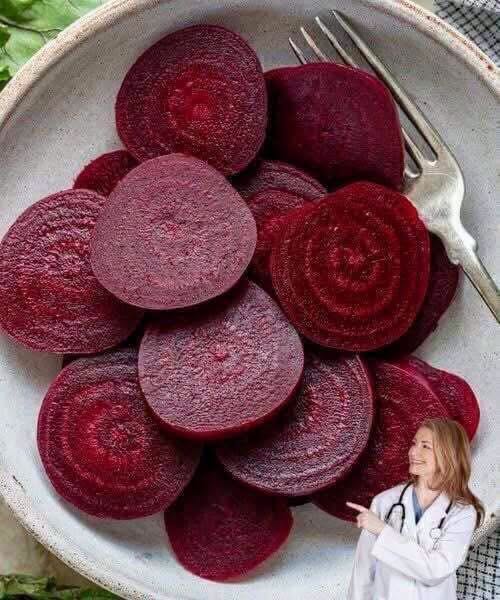
Here’s something that surprises people who think of beets only as a side dish.
Beetroot juice has been studied in sports nutrition because of its potential effects on physical performance.
Researchers have investigated whether dietary nitrates can influence how efficiently the body uses oxygen during exercise.
Some studies suggest that nitrate supplementation may provide modest benefits during certain endurance activities.
That’s why beetroot juice sometimes appears in discussions about running, cycling, and other forms of aerobic exercise.
But you don’t have to be an athlete to find the subject interesting.
As people get older, maintaining physical stamina can become an important part of everyday independence.
Walking through a grocery store, climbing stairs, gardening, and enjoying recreational activities all require energy and muscular endurance.
Research involving older adults has explored whether beetroot-derived nitrates may influence physical function.
The findings are still developing, and benefits vary across studies.
Does eating a beet work the same way as drinking beetroot juice?
Not necessarily.
Many exercise studies use concentrated beetroot juice or carefully measured nitrate supplements.
Those products may provide a different amount of nitrate than an ordinary serving of cooked beets.
Therefore, results from supplement studies cannot automatically be applied to someone eating a small portion of roasted beets with dinner.
Still, including beets among your regular vegetables can contribute useful nutrients to your diet.
And for most home cooks, enjoying the vegetable as food is a more practical starting point than experimenting with concentrated supplements.
4. Their Natural Pigments Have Antioxidant Properties
The deep color of beetroot is not simply decorative.
It comes primarily from betalain pigments, including compounds known as betacyanins.
These substances have been studied for their antioxidant and potential anti-inflammatory effects.
Inflammation is part of the body’s normal response to injury and infection.
It helps protect tissues and supports healing.
However, persistent or poorly regulated inflammation can be associated with various chronic health conditions.
Researchers are interested in how plant compounds may influence processes connected with inflammation and oxidative stress.
Laboratory findings suggest that beetroot pigments have biologically interesting properties.
But there is an important distinction between laboratory research and proven health benefits in humans.
A compound that shows antioxidant activity in a laboratory does not necessarily produce the same effects when eaten as part of an ordinary meal.
And beets have not been established as a treatment for arthritis, inflammatory diseases, or chronic pain.
For people managing these conditions, appropriate medical care remains essential.
The encouraging takeaway is simpler: beets provide another source of beneficial plant compounds within a balanced eating pattern.
5. Beets Can Support Digestive Health
One of the most practical benefits of eating whole beets comes from their fiber content.
Unlike strained beetroot juice, whole beets retain dietary fiber.
Fiber helps support regular bowel movements and contributes to normal digestive function.
It also provides material that certain beneficial gut bacteria can use.
For adults who sometimes struggle with constipation, increasing fiber from vegetables, fruits, whole grains, and legumes may help.
Beets can be one part of that approach.
But fiber works best when paired with adequate fluid intake.
Suddenly consuming large amounts of fiber without allowing the digestive system time to adjust may cause bloating, gas, or discomfort.
If you haven’t been eating many vegetables, start with modest portions and increase your intake gradually.
A serving of roasted beets alongside dinner is an easy beginning.
People with certain digestive disorders or prescribed dietary restrictions should follow individualized medical guidance.
And there is another aspect of digestive health that makes beets particularly memorable.
6. Your Urine or Stool Might Change Color
Imagine enjoying a generous serving of roasted beets for dinner.
The following morning, you visit the bathroom and notice an unexpected reddish or pink color.
For someone who has never experienced it, the sight can be alarming.
But beets can sometimes change the color of urine or stool.
The reddish discoloration of urine after eating beets is known as beeturia.
It occurs when certain beet pigments pass through the body and are excreted.
Not everyone experiences the effect.
Some people notice a distinct pink color, while others see little or no change.
Beets can also give stool a reddish appearance.
When clearly linked to recent beet consumption and no other symptoms are present, this color change is often harmless.
However, it is important not to automatically assume that red urine or stool is caused by food.
Blood in the urine or digestive tract can produce similar appearances and may require medical evaluation.
If the color persists, occurs without a clear dietary explanation, or is accompanied by pain, dizziness, weakness, or other concerning symptoms, seek professional medical advice.