The brain depends on a steady supply of oxygen and nutrients delivered through the bloodstream.
Because dietary nitrates can influence nitric oxide production and vascular function, researchers have investigated whether beetroot consumption might affect blood flow to certain brain regions.
Some small studies have explored changes in cerebral blood flow after nitrate-rich meals or beetroot juice.
This has raised interest in whether dietary nitrate could play a role in supporting aspects of brain health during aging.
But research in this area remains limited.
There is not enough evidence to conclude that eating beets prevents dementia, reverses memory loss, or protects against Alzheimer’s disease.
Those claims would go beyond what current research establishes.
Brain health is influenced by many factors, including cardiovascular health, sleep, physical activity, education, social engagement, and management of chronic conditions.
Eating a varied diet rich in vegetables can contribute to overall health, but no individual food should be presented as a guaranteed way to preserve memory.
For older adults, beets can be one nutritious option among many.
8. Beets May Be Helpful for People Trying to Eat More Vegetables
Not every nutritional benefit requires a complicated scientific explanation.
Sometimes, the biggest advantage of a food is that it helps make a healthier eating pattern more enjoyable.
Beets can be prepared in many different ways.
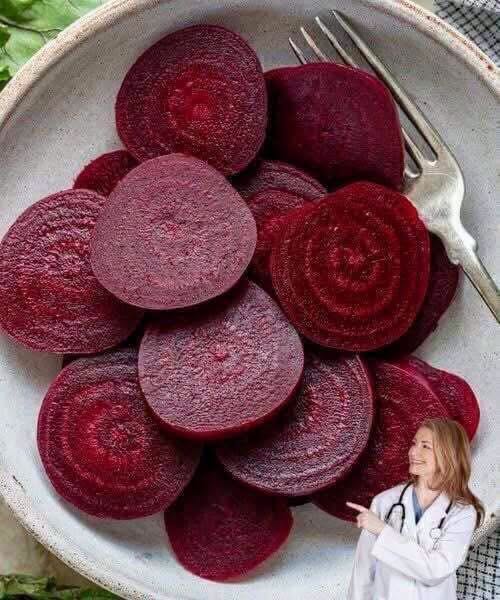
They can be roasted, steamed, boiled, grated into salads, or blended into certain recipes.
Their natural sweetness becomes more noticeable when roasted.
This makes them an interesting alternative for people who usually prefer sweeter vegetables.
They also pair well with ingredients such as citrus, walnuts, herbs, and certain cheeses.
Adding more variety to meals can help people consume a broader range of nutrients.
For someone who has spent years eating the same few vegetables, experimenting with beets may be a simple way to make meals more interesting.
And the best part is that they don’t require elaborate preparation.
How to Add Beets to Your Diet Without Complicated Recipes
If you want to start eating beets more regularly, you don’t need to prepare a special health drink every morning.
Begin with ordinary meals.
Roasted beets: Peel or scrub the beets, cut them into evenly sized pieces, toss with a little olive oil, and roast until tender.
Beet salad: Combine cooked, cooled beets with leafy greens, citrus segments, and a small amount of dressing.
Steamed beets: Steam until tender and serve alongside chicken, fish, or another protein.
Beet and vegetable soup: Add diced beets to a soup containing carrots, onions, cabbage, and other vegetables.
Grated raw beets: Finely grate washed and peeled beets into salads for color and crunch.
Always wash fresh produce thoroughly before preparation.
If you’re trying beets for the first time, a modest portion is sufficient.
There is no established requirement to eat beets every day to gain general nutritional benefits.
Variety remains important.