
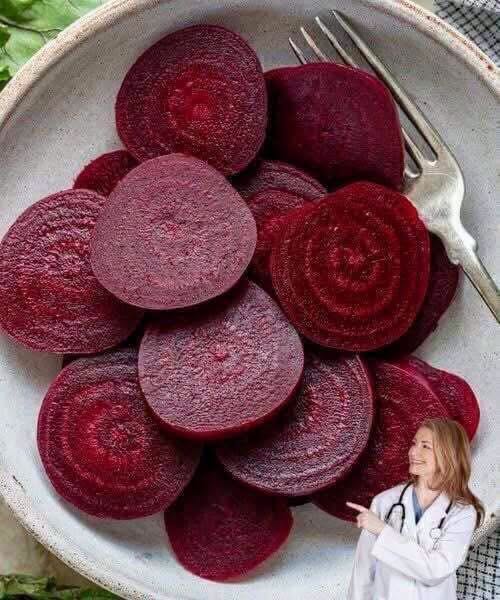
Pickled beets can be convenient, flavorful, and easy to keep on hand.
But their nutritional profile depends on how they are prepared.
Some commercially prepared varieties contain added sugar, substantial amounts of sodium, or both.
If you’re monitoring blood pressure or trying to reduce added sugar, check the nutrition label.
Plain cooked beets may be a more flexible option because you can control the seasoning yourself.
However, pickled beets can still fit into a balanced diet when eaten in appropriate portions.
The important thing is to consider the full product rather than assuming every preparation has identical nutritional benefits.
And before making beets a daily habit, there is one precaution that deserves special attention.
Who Should Be Careful About Eating Beets Regularly?
For most healthy adults, beets are a nutritious vegetable that can be enjoyed as part of a varied diet.
However, certain people may need to be more cautious.
People with a history of kidney stones
Beets contain oxalates, naturally occurring compounds found in several plant foods.
For individuals who form calcium oxalate kidney stones, dietary oxalate intake may be an important consideration.
That doesn’t mean everyone should avoid beets.
But people with recurrent calcium oxalate stones or high urinary oxalate levels may need individualized dietary guidance.
A healthcare professional or registered dietitian can help determine which foods and portions are appropriate.
People taking blood pressure medication
Because nitrate-rich beetroot products may modestly lower blood pressure, people taking medication for hypertension should be cautious about using concentrated beetroot juices or supplements.
Combining multiple blood-pressure-lowering influences may be relevant for some individuals.
Do not change or discontinue prescribed medication based on dietary claims.
People with kidney disease or specific dietary restrictions
Beets contain potassium, which may need to be monitored in certain individuals with kidney disease.
Appropriate intake depends on kidney function, medications, laboratory results, and individual medical advice.
People following a medically prescribed low-potassium or low-oxalate diet should ask their healthcare team about suitable portions.
Is Beetroot Juice Better Than Whole Beets?
This is a common question, particularly because many studies focus on beetroot juice.
Juice can provide naturally occurring nitrates in a convenient form.
Depending on how it is prepared, it may also contain some of the pigments and micronutrients found in the vegetable.
However, strained juice generally contains less fiber than whole beets.
Whole beets provide the additional digestive benefits associated with dietary fiber.
Juice may also make it easier to consume larger quantities of beetroot in a short period.
For ordinary healthy eating, neither form needs to be considered a miracle product.
If you enjoy cooked or roasted beets, there is no reason to assume you must switch to juice.
And if you choose beetroot juice, pay attention to portion sizes, added ingredients, and any relevant medical conditions.
The best choice is one that fits your nutritional needs and preferences.
What Happens If You Eat Beets Every Day for a Month?
This is the question that often attracts the most curiosity.
Will your energy suddenly improve?
Will your blood pressure drop?
Will you notice clearer thinking or better digestion?
The truth is that individual results vary.
If adding beets increases your overall vegetable and fiber intake, you may notice changes in bowel regularity.
You might also discover that they make meals more satisfying and enjoyable.
Some people may experience temporary changes in urine or stool color.
But there is no reliable basis for promising that everyone will experience improved circulation, increased stamina, reduced inflammation, or noticeable cognitive changes after a particular number of days.
Many health benefits associated with vegetables develop through long-term eating patterns rather than dramatic short-term transformations.
The most sensible goal is consistency without obsession.
Enjoy beets if you like them, prepare them in different ways, and continue eating a variety of other nutritious foods.
The Bigger Lesson Behind This Bright-Red Vegetable
Beets have traveled an interesting path.
Once dismissed by some people as an old-fashioned side dish, they are now frequently discussed in connection with blood pressure, exercise performance, antioxidants, and healthy aging.
The attention isn’t entirely surprising.
Their naturally occurring nitrates provide an interesting connection to nitric oxide and vascular function.
Their pigments have attracted interest in antioxidant research.
And their fiber, folate, and other nutrients make them a useful addition to everyday meals.
But perhaps the most important lesson is that nutritious foods don’t need to be treated like medications to have value.
Beets can contribute to a healthy eating pattern without being expected to cure disease, reverse aging, or produce immediate results.
A serving of roasted beets beside dinner may not seem extraordinary.
Yet choosing a wider variety of vegetables regularly is one practical step toward better overall nutrition.
And sometimes, the simplest changes are the ones easiest to maintain.
So the next time you pass those deep-red roots in the produce aisle, consider giving them another chance.
They may not transform your health overnight, but they offer plenty of reasons to earn a place on your plate.
Sources and References
Editorial Disclaimer
This article is intended for general informational, educational, and nutritional purposes only. It does not constitute professional medical advice, diagnosis, or treatment.
The nutritional information and potential health effects discussed are based on publicly available research concerning beetroot, dietary nitrates, antioxidants, and healthy eating. Scientific findings may vary depending on the quantity consumed, preparation method, individual health status, and other factors.
Before making significant dietary changes, consuming concentrated beetroot juice regularly, or taking beetroot supplements, consult a qualified healthcare professional or registered dietitian, especially if you take blood pressure medication, have kidney disease, experience recurrent kidney stones, or have another existing medical condition.
Beets and beetroot products are not substitutes for prescribed medication or established treatment for hypertension, cardiovascular disease, cognitive disorders, inflammatory conditions, or other illnesses.
Although eating beets may temporarily cause pink or red urine or stool, persistent or unexplained discoloration should be evaluated by a healthcare professional rather than automatically attributed to food.
This article does not guarantee specific health improvements, disease prevention, treatment outcomes, or changes in blood pressure. Individual dietary needs vary, and personalized medical guidance should take priority when managing health conditions.