I didn’t sleep that night.
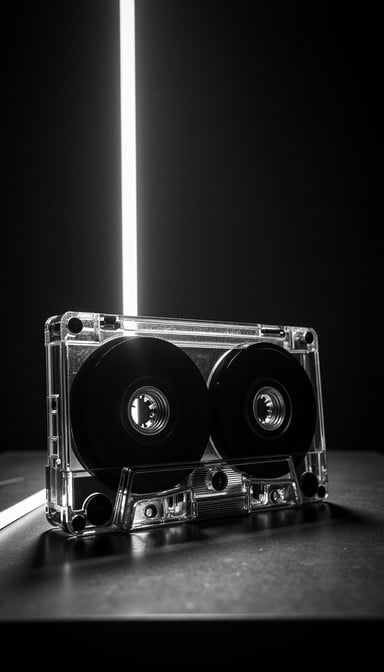
I played the cassette until the ribbon wore thin, until Elena’s laughter became a ghost haunting the static, until I could recite every pause and breath and sigh. March 14, 2021. I checked the calendar on my phone like a madman, like the date might rearrange itself if I stared hard enough, like I had somehow slipped into a parallel timeline where Elena had survived, where the chemotherapy had worked its magic, where she was living in a cottage by the sea and recording messages for me to find on anniversaries and birthdays. But the date stayed fixed on the screen, immutable as stone. Three years. Three years after I watched them lower her casket into the wet earth, after I threw a handful of dirt that sounded like gunshots in the silence, after I stood in our bedroom and screamed into her pillow until my voice gave out and my throat bled.
At dawn, I drove to the thrift store with the cassette clutched in my fist so tightly the plastic edges left red marks on my palm. The teenage cashier wasn’t there. An older woman with reading glasses on a chain was sorting donations into plastic bins, her movements slow and deliberate, as if each object required a eulogy. I showed her the radio. I showed her the cassette. My hands shook so badly she had to take them from me, her fingers warm and dry against my cold skin.
“Do you remember where this came from?” My voice didn’t sound like mine. It sounded like gravel and desperation, like a man speaking from the bottom of a well.
She frowned at the price sticker, turning it toward the fluorescent light that buzzed overhead. “Estate sale, maybe? We get truckloads from storage units, from attics, from people who die alone and leave everything behind for strangers to sort through.” She checked a spiral-bound ledger, licking her finger to turn the pages. “Here. Donated three weeks ago. Claire Henshaw. Left a number in case of tax questions.”
Claire Henshaw.
Elena’s best friend. The woman who had held my hand at the funeral and then moved to Portland without saying goodbye, without returning my calls, vanishing like a witness who had seen too much and couldn’t bear to testify. I had been angry at her for years, furious at her abandonment, at her silence. Now I felt something else — a dread so heavy it bent my spine, a premonition that the ground was about to shift beneath my feet.
I called her from the parking lot, sitting in my car with the engine off, frost spiderwebbing across the windshield.
“Marcus?” Her voice cracked when she recognized mine, cracked like ice under pressure, like something that had been holding its breath for half a decade.
“Claire.” I swallowed. “I found the radio. I found the tape.”
Silence. Then a soft, wet sound — a sob she was trying to swallow, a grief she had been holding alone in some quiet room for years.
“She made me promise,” Claire whispered, her voice breaking into pieces that scattered across the line. “After the diagnosis. She recorded them for months, Marcus. Dozens of tapes. Birthday messages for every year until Sophie turned thirty. A lullaby for when Sophie couldn’t sleep during her first heartbreak. A graduation speech she knew she’d never live to give. She asked me to hide them in places Sophie would find them — taped under the seat of her first car, slipped into a moving box, buried in a wedding dress box for the morning of her big day. But I got sick, Marcus. I got sick and I had to move in with my sister. I sold everything in a panic. I thought the tapes were in a locked box in my attic. I didn’t know one was inside the radio. I didn’t know.”
I closed my eyes. The sun was rising over the parking lot, painting the asphalt gold and pink, turning the frost into diamonds that melted as I watched.
“She recorded this in 2018,” I said, my voice steady now, anchored by understanding. “Before she died. She just… dated it for the future. For a future she wouldn’t live to see.”
“Yes.”
“She knew she was leaving us.”
“She knew everything,” Claire said. “And she loved you enough to outsmart time itself.”
I went home. I waited on the porch for Sophie to come back from her sleepover, my breath visible in the cold air, my heart beating in my throat. When she walked up the driveway, backpack dragging, sneakers untied, hair tangled from a night of secrets and whispered jokes, I didn’t tell her about the tape. Not yet. She was ten. She had time to grow into the weight of her mother’s love, to earn each message as she grew older.
But I held her tighter than usual when she hugged me, breathing in the scent of her — strawberry shampoo and sleepover popcorn and the faint ghost of Elena in the shape of her eyes, the same flecks of gold I had stared into on the last day.
That night, I sat on the edge of her bed and played the cassette one more time. Elena’s voice filled the dark room, singing off-key, laughing at a joke only she understood, pausing to say Sophie’s name like a prayer, like an incantation against loss. Sophie reached out and touched the speaker grille, her small fingers tracing the holes like Braille, reading her mother’s voice with her hands in the darkness.
“Mom sounds happy,” she whispered into the shadows.
“She is,” I said. “She died once. But she loved us enough to stay alive in a thousand small ways.”
Widower Buys Old Radio | Hears Dead Wife’s Voice 3 Years Later

Author: Isabel Martín
Published: