
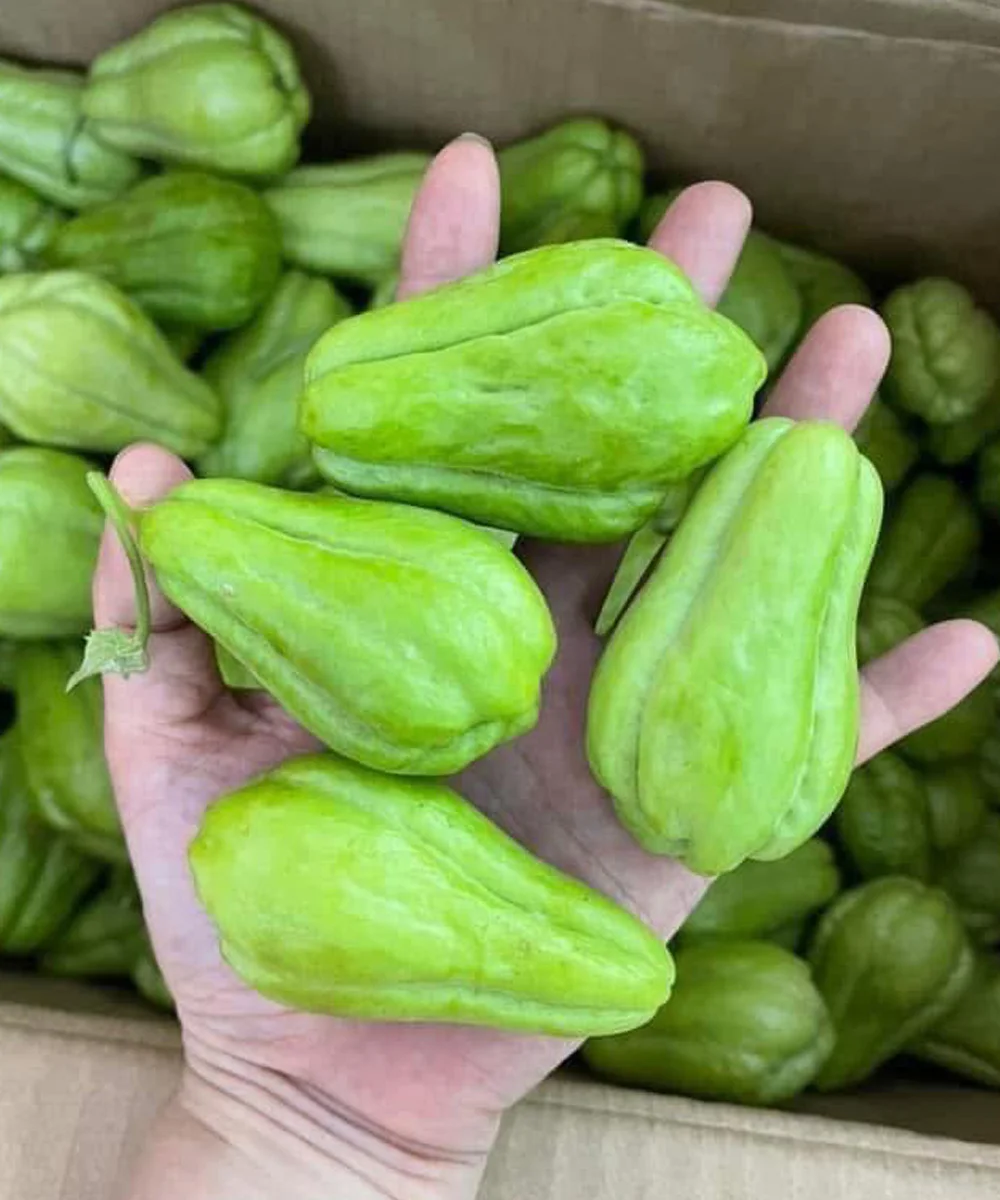
- 1–2 fresh chayotes
- A little olive oil
- Lemon juice
- Black pepper
- Optional herbs
Preparation:
- Wash the chayote thoroughly.
- Cut it into halves or slices.
- Remove the central seed if you prefer.
- Steam or cook until tender.
- Add lemon juice, herbs, and a small amount of olive oil.
You can also add cooked chayote to soups, vegetable dishes, or stir-fries.
The biggest mistake would be turning a healthy vegetable into an unhealthy dish by covering it with large amounts of added sugar, refined sauces, or excessive saturated fat.


What If You Have Diabetes?
This is where you should be realistic.
If you have diabetes, you don’t need to avoid chayote simply because it contains carbohydrates.
The CDC explains that people with diabetes can eat carbohydrates; the key is choosing nutritious sources, paying attention to portions, and considering how foods affect their individual blood-sugar targets.
However, your individual meal plan matters.
If you’re using insulin or medications that can cause low blood sugar, don’t make major dietary changes based on an internet article without discussing them with your healthcare professional.
And never stop prescribed diabetes medication because you’ve started eating chayote.
Can Chayote Cure Type 2 Diabetes?
No.
This is perhaps the most important correction to make.
The available research does not establish chayote as a cure for type 2 diabetes.
The 2025 review found a statistically significant effect in the studies it analyzed, but the authors characterized the magnitude as clinically modest and specifically stated that chayote should be considered complementary rather than a replacement for medication.
That’s encouraging enough to justify further research.
It’s not enough to call chayote a treatment on its own.
What Makes the Research Interesting?
The interesting thing isn’t that chayote is some magical vegetable.
It’s that researchers are beginning to examine whether a familiar food may have measurable metabolic effects.
The systematic review found that clinical trials involving older adults with type 2 diabetes or metabolic syndrome generally pointed toward reductions in glucose and HbA1c, although the studies were limited in number and had methodological differences.
That means the next step isn’t another viral “eat this vegetable and reverse diabetes” headline.
The next step is better clinical research.
Larger studies.
Better-designed trials.
More diverse participants.
And clearer information about how much chayote is needed and in what form.
A Mistake to Avoid
Don’t turn chayote into a “blood sugar detox.”
You don’t need to drink chayote juice every morning, eat enormous quantities, or stop eating other healthy foods.
A much better strategy is to make vegetables part of your normal meals.
And if you’re increasing your fiber intake, do it gradually.
The CDC notes that suddenly adding a lot of fiber can cause bloating, gas, constipation, diarrhea, or cramps, and recommends increasing it gradually while drinking enough water.
Chayote vs. the “Magic Food” Mindset
There’s a reason articles about foods and diabetes spread so quickly.
People want one simple answer.
Eat this → lower your blood sugar.
Unfortunately, real nutrition doesn’t work that neatly.
Your blood sugar is influenced by your overall diet, activity, medications, body composition, sleep, stress, and many other factors.
Chayote can be one useful piece of that picture.
It doesn’t need to be the entire picture.
The Bottom Line
Eating chayote may be a smart addition to a balanced diet, especially if you’re looking for a fiber-containing, non-starchy vegetable.
Research has found promising effects on blood glucose and HbA1c, but the evidence is still limited, and the reported benefits are modest.
So don’t think of chayote as a cure.
Think of it as something much simpler:
A humble vegetable that may offer more nutritional value than you expected—and one that could fit nicely into a blood-sugar-friendly eating pattern.
And that’s probably the most useful reason to give it a place on your plate.