

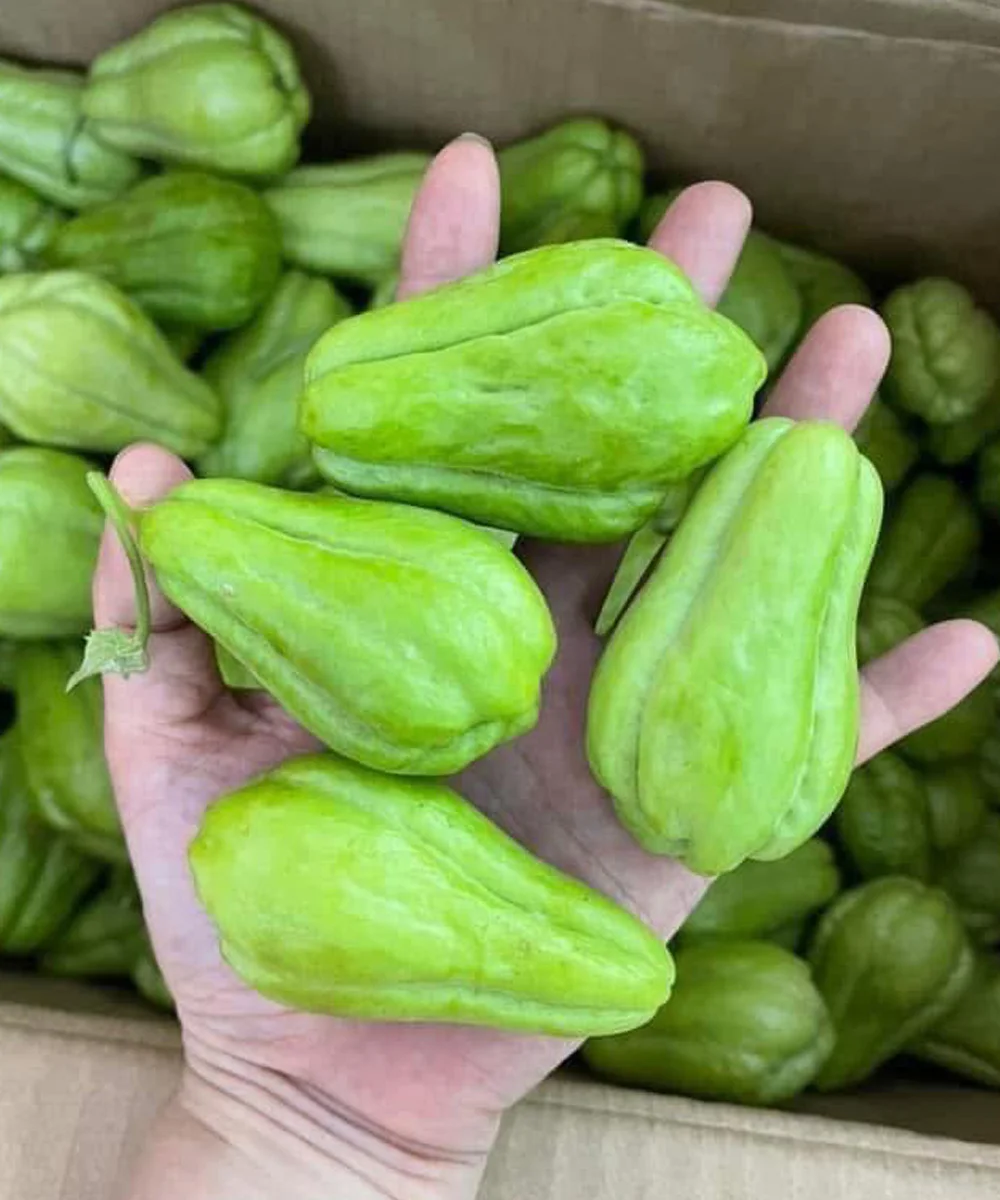
You may have walked past chayote at the grocery store without giving it a second thought. But this humble green vegetable has attracted attention for a reason: researchers are investigating whether it may help support healthier blood-sugar levels.
That doesn’t mean chayote is a miracle food, and it certainly doesn’t replace diabetes medication.
But if you’re trying to eat more vegetables and keep your blood sugar under control, this inexpensive squash may deserve a place on your plate.


What Exactly Is Chayote?
Chayote, also known as Sechium edule, is a green, pear-shaped squash commonly used in Latin American, Caribbean, and Asian cuisines.
It has a mild flavor and can be eaten cooked in soups, stews, stir-fries, or simply steamed.
What makes it particularly interesting from a nutrition perspective is that it’s a non-starchy vegetable that provides fiber and relatively few carbohydrates.
And fiber matters when you’re trying to manage blood sugar.
The CDC explains that dietary fiber isn’t broken down and absorbed like other carbohydrates and can help with blood-sugar control and fullness.
1. Chayote May Have a Relatively Gentle Effect on Blood Sugar
One reason chayote is often mentioned in discussions about diabetes-friendly eating is its nutritional profile.
It’s a vegetable rather than a concentrated source of sugar or refined carbohydrates, making it easier to incorporate into meals designed around blood-sugar control.
But there’s an important distinction:
“May have a favorable effect on blood sugar” does not mean “it lowers blood sugar like a medication.”
Your overall meal still matters. What you eat alongside the chayote—and how much carbohydrate is in the entire meal—can affect your glucose response.
The CDC recommends focusing on nutritious carbohydrate sources, portions, and fiber rather than trying to eliminate carbohydrates completely.
2. Its Fiber Can Help Slow Digestion
This may be one of the most practical reasons to include chayote in your meals.
Fiber helps slow digestion and can reduce how quickly glucose enters the bloodstream.
That doesn’t mean fiber prevents every blood-sugar rise. It means that choosing fiber-rich foods can be part of a dietary pattern that makes blood-glucose management easier.
The CDC specifically notes that fiber can help control blood sugar, support digestive health, and help people feel full for longer.
So instead of thinking:
“Chayote lowers my blood sugar.”
A more accurate way to think about it is:
“Chayote can be a fiber-containing vegetable that fits well into a blood-sugar-conscious meal.”


3. There Is Actually Some Research on Chayote and Blood Sugar
This is where the story gets more interesting.
A 2025 systematic review and meta-analysis examined studies involving Sechium edule and blood-glucose markers.
The researchers identified 11 eligible studies, including six clinical trials and five preclinical studies.
Among the clinical studies included in the review, researchers found statistically significant reductions in serum glucose and HbA1c after chayote interventions.
But here’s the part you shouldn’t skip:
The authors described the clinical effect as modest and concluded that chayote should not replace pharmacological treatment.
That’s a much more useful conclusion than simply saying, “Doctors discovered a diabetes cure.”
They didn’t.
The research suggests chayote may have a supportive role, but more rigorous research is still needed.
4. What About Insulin Sensitivity?
You may also see claims that compounds found in chayote can improve insulin sensitivity.
There is some scientific interest in the plant’s bioactive compounds, including flavonoids and phenolic compounds.
Laboratory and animal research has produced promising findings, including effects related to glucose metabolism.
But laboratory findings aren’t the same thing as proving that eating ordinary portions of chayote will produce a clinically meaningful improvement in insulin sensitivity.
That’s an important line to keep in mind.
Promising research is not the same as proven treatment.
5. Chayote Can Help You Build a Better Plate
There’s another benefit that doesn’t require any dramatic medical claim.
Chayote is simply a vegetable.
And adding more non-starchy vegetables to meals can make it easier to build a balanced plate.
The CDC’s diabetes meal-planning guidance recommends making non-starchy vegetables a major part of meals while balancing them with protein and carbohydrate foods.
Try pairing cooked chayote with:
- Grilled chicken
- Fish
- Eggs
- Beans
- Lentils
- Lean meat
- Other vegetables
- A modest portion of whole grains
That approach is much more useful than relying on one “superfood.”
6. It May Help You Feel Full
Fiber also contributes to satiety.
Because fiber isn’t fully digested, it can help you feel fuller for longer, which can be useful when you’re trying to manage portions or maintain a healthy weight.
And maintaining a healthy weight can be particularly important for people at risk of type 2 diabetes.
So the potential benefit isn’t necessarily that chayote magically changes your metabolism.
It may simply be a nutritious, filling vegetable that makes a balanced diet easier to follow.
How Should You Eat Chayote?
You don’t need an elaborate preparation.
Simple steamed chayote
Ingredients:
Continue Reading For More Helpful Tips →
Continue Reading →You Might Also Like...