
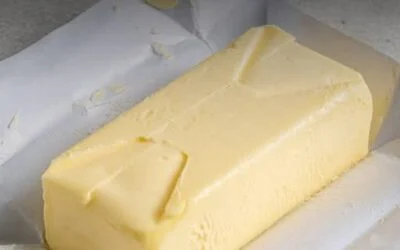
Bought extra butter because it was on sale? Before you worry about using it all before it goes bad, there’s something simple you should know:
Butter can be frozen.
In fact, freezing butter is one of the easiest ways to keep a larger supply on hand. But simply throwing an unprotected package into the freezer isn’t the best approach. Butter can absorb odors from nearby foods, and poor packaging can eventually affect its flavor and texture.
The good news is that freezing it properly takes only a few extra minutes.


Why Freezing Butter Makes Sense
Butter keeps fairly well in the refrigerator, but that doesn’t mean it stays at its best indefinitely.
Over time, exposure to air, light, and strong-smelling foods can affect its flavor. If you don’t use butter quickly, freezing gives you a practical way to preserve it for much longer.
And there’s an important distinction:
Freezing doesn’t make butter fresher. It helps preserve butter while it’s still fresh.
So if you’re planning to freeze several packages after finding a good sale, do it while the butter is still in good condition.
How to Freeze Butter Properly
You don’t need any special equipment.
1. Keep the original wrapper
If the butter is unopened, leave it in its original packaging.
That gives it an initial layer of protection.
2. Add an outer layer
For longer storage, place the wrapped butter inside a freezer-safe resealable bag or another suitable airtight container.
This extra barrier helps protect it from freezer air and strong odors.
3. Remove excess air
If you’re using a freezer bag, press out as much excess air as practical before sealing it.
You don’t need a vacuum sealer for ordinary household storage.
4. Label the package
Write the date on the bag or container.
That tiny step can save you from discovering a mysterious package of butter months later and wondering when you froze it.
Should You Freeze Butter as Whole Sticks or Portions?
Either works, but portioning it before freezing can make life much easier.
If you normally use one stick for a recipe, freeze individual sticks.
If you often use smaller amounts for cooking, divide the butter into portions that match the way you actually cook.
For example:
- ½-cup portions for baking
- Individual sticks
- Smaller pieces for sauces or sautéing
- Grated portions for pastry
The advantage is simple: you thaw only what you need.


How Long Can Frozen Butter Last?
This is where it’s useful to separate safety from quality.
USDA guidance says food kept continuously frozen at 0°F remains safe indefinitely, although its quality can decline over time.
So there isn’t a magical date when frozen butter suddenly becomes unsafe.
For the best flavor and texture, however, it’s sensible to use frozen butter within a reasonable period rather than leaving it forgotten in the freezer for years.
If butter develops a strong rancid smell, an unpleasant taste, or substantial freezer damage, don’t use it simply because it has remained frozen.
Can Butter Pick Up Freezer Smells?
Yes—and this is one of the biggest reasons to wrap it properly.
Butter can absorb surrounding odors.
If your freezer contains foods such as:
- garlic
- onions
- fish
- heavily seasoned leftovers
an inadequately wrapped stick of butter can eventually pick up some of those aromas.
That’s why the original wrapper plus a freezer-safe outer bag is a much better setup for longer storage.
Does Freezing Change the Texture?
Usually, not in a major way.
After thawing, properly stored butter should still work normally for most cooking and baking.
But the temperature of the butter matters depending on what you’re making.
For example:
Softened butter: Important for recipes where butter and sugar need to be creamed together.
Cold butter: Often desirable for pie crusts, biscuits, and other pastries.
Melted butter: Can usually be melted directly from frozen.
So don’t automatically thaw every piece of butter completely. Use the temperature your recipe actually requires.
How to Thaw Frozen Butter
The safest simple approach is to move the amount you need from the freezer to the refrigerator and let it thaw gradually.
If you need softened butter for baking, allow it to soften further at room temperature once it has thawed enough.
If you’re using it in a skillet or saucepan, there’s often no reason to wait.
You can simply cut off what you need and melt it.
A useful baking trick
Frozen butter can actually be helpful for some pastry recipes.
Grating very cold butter into flour creates small pieces that can be distributed through the dough without allowing the butter to become warm and greasy.
That’s particularly useful when you’re trying to keep biscuits, scones, or pie dough flaky.
Can You Freeze Salted and Unsalted Butter?
Yes.
Both salted and unsalted butter can be frozen.
Which one you buy depends more on how you use it.
Unsalted butter is useful for baking because you control the amount of salt in the recipe.
Salted butter is convenient for toast, vegetables, cooking, and everyday use.
If you bake regularly, freezing unsalted butter in recipe-sized portions can be especially convenient.
What About Homemade or Flavored Butter?
Compound butter—such as butter mixed with herbs, garlic, or other ingredients—can also be frozen.
The main consideration is packaging.
Strong ingredients can transfer odors, while delicate ingredients may affect the texture after thawing.
Wrap flavored butter tightly and place it in a suitable freezer container or bag.
For homemade preparations containing fresh ingredients, use extra care with cleanliness and storage rather than assuming they have the same keeping qualities as plain commercial butter.
Can You Refreeze Butter?
Continue Reading For More Helpful Tips →
Continue Reading →
Continue Reading For More Helpful Tips →
Continue Reading →You Might Also Like...